











Table of Contents
ToggleWellness Tips from Josef Schenker, MD
This blog series from Centers Urgent Care is all about practical, actionable steps to support your wellness. Dr. Josef Schenker, our Medical Director, combines his expertise in internal medicine and emergency care to offer advice that fits into your daily life. From better habits to proactive health strategies, these tips are your roadmap to feeling your best.
Pink Eye Diagnosis and Treatment
Pink eye, medically known as conjunctivitis, is a common eye condition that affects millions of people each year. According to a study, acute conjunctivitis of all causes affects around 6 million Americans annually. That’s a staggering number, showing just how widespread this condition is.
If you’ve ever wondered what exactly causes pink eye, how to treat it, or how to prevent it, you’re in the right place. Dr. Josef Schenker provides expert insights into diagnosing the specific type of pink eye and outlines effective treatment options to help you find relief and prevent the spread of this common eye infection.
Dr. Josef Schenker Explains What is Pink Eye
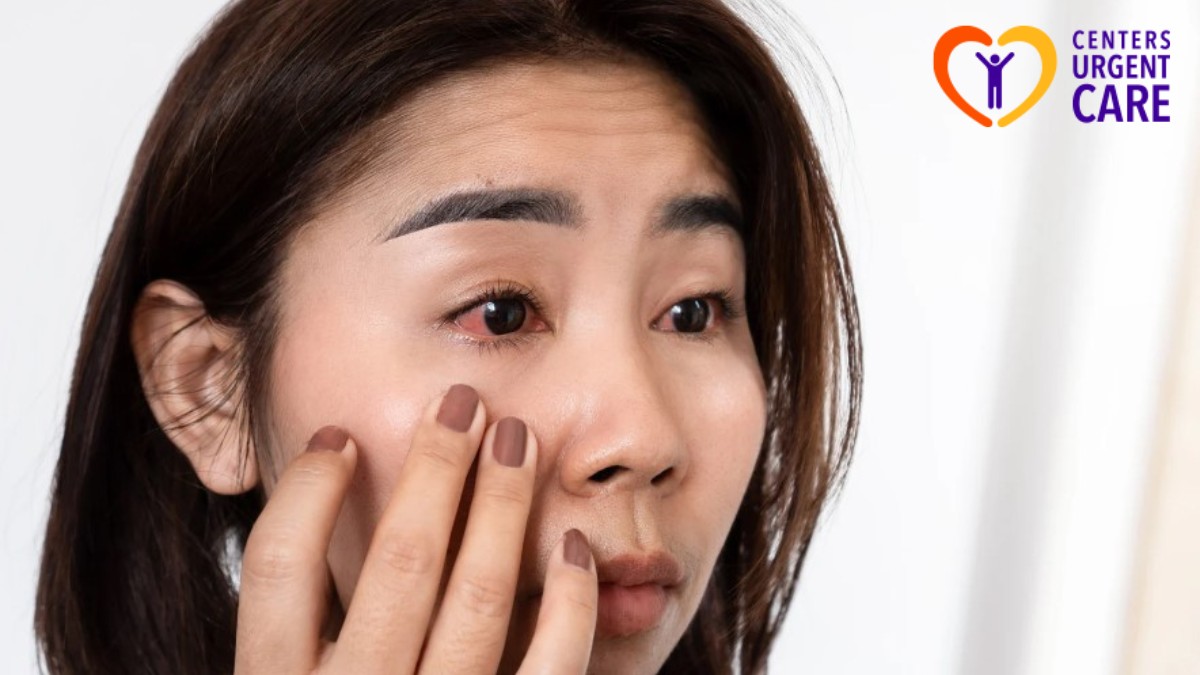
Pink eye is an inflammation or infection of the conjunctiva, the transparent membrane that lines your eyelid and covers the white part of your eyeball. According to Josef Schenker, MD when the small blood vessels in the conjunctiva become inflamed, they become more visible, causing the whites of your eyes to appear reddish or pink. While it can be alarming due to its appearance, pink eye is usually a minor infection and is easily treatable.
What Causes Pink Eye?
Pink eye, or conjunctivitis, can spring up from a variety of sources, turning your normally clear, comfortable eyes into red, irritated ones. The causes of pink eye fall into two main categories: infectious and non-infectious.
Infectious Causes
These are the types that you can catch from someone else or develop from other infections:
- Viruses: Viruses, specifically adenoviruses. are the most common culprit. Viral conjunctivitis often accompanies a cold or other respiratory infections. The same virus that gives you a runny nose and sore throat can migrate to your eyes, causing them to turn red and watery.
- Bacteria: When bacteria like Staphylococcus aureus, Streptococcus pneumoniae, or Haemophilus influenzae invade your eye, they can cause bacterial conjunctivitis. This type tends to produce a lot of pus and can make your eyes feel particularly gritty and uncomfortable.
Non-Infectious Causes
These types aren’t spread from person to person but can still cause significant discomfort:
- Allergens: Allergic conjunctivitis is triggered by things like pollen, pet dander, dust mites, or mold. It usually comes with other allergy symptoms like sneezing and a runny nose.
- Irritants: Everyday substances like chlorine in swimming pools, smoke, or chemical fumes can irritate your eyes. This type clears up once the irritant is removed.
- Contact Lenses: Improper use, such as not cleaning them properly or wearing them too long, can lead to pink eye. Good hygiene and giving your eyes a break are essential.
How is Pink Eye Diagnosed?
Diagnosing conjunctivitis usually involves a thorough eye examination by your healthcare provider. Josef Schenker, MD lists the following methods often used to diagnose pink eye:
- Patient History: The doctor will ask about your symptoms, recent illnesses, and any possible exposure to someone with pink eye. This helps determine whether the cause is viral, bacterial, or allergic.
- Physical Examination: A visual inspection of the eye can reveal characteristic signs of pink eye, such as redness, swelling, and discharge. The doctor will also check for any signs of an upper respiratory infection or allergic reaction.
- Lab Tests: In some cases, especially when the infection is severe or not responding to treatment, the doctor might take a sample of the discharge from the eye for laboratory analysis. This helps identify the specific cause and determine the most effective treatment.
- Slit Lamp Examination: This involves using a special microscope to examine the structures of your eye in detail. It helps the doctor detect any abnormalities that might not be visible to the naked eye.
Josef Schenker, MD, Explains Pink Eye Treatment and Management
Pink eye treatment varies based on its underlying cause. Josef Schenker, MD recommends the following for effective management and relief:
Home Remedies
- Warm Compress: Applying a warm, damp cloth to the affected eye can help reduce discomfort and swelling. Make sure to use a clean cloth to avoid spreading the infection.
- Cold Compress: For allergic conjunctivitis, a cold compress can help soothe irritation and reduce redness.
- Artificial Tears: Over-the-counter lubricating eye drops can provide relief from dryness and irritation. They can be used several times a day.
- Proper Hygiene: Wash your hands frequently, avoid touching your eyes, and do not share personal items like towels or makeup. This helps prevent the spread of the infection.
Medical or Professional Treatment
- Antibiotic Eye Drops or Ointments: For bacterial conjunctivitis, a doctor may prescribe antibiotic eye drops or ointments to clear the infection. It’s important to complete the full course of treatment.
- Antiviral Medication: If pink eye is caused by a virus, antiviral medication may be prescribed, especially if it’s linked to herpes simplex virus.
- Antihistamines: For allergic conjunctivitis, oral antihistamines or antihistamine eye drops can help manage symptoms by reducing the allergic reaction.
- Steroid Eye Drops: In severe cases of inflammation, steroid eye drops may be prescribed to reduce swelling and discomfort. These are usually used under close supervision by a doctor.
General Management Tips
- Wash hands frequently: This helps prevent the spread of pink eye.
- Avoid touching your eyes: This can introduce germs.
- Don’t share personal items: Avoid sharing towels, makeup, or eye drops.
- Use clean tissues: Dispose of tissues properly after use.
- Get enough rest: This helps your body fight infection.
Josef Schenker, MD, Answers Frequently Asked Questions:
Pink eye, or conjunctivitis, typically lasts between 7 to 14 days. Viral pink eye cases usually clear up on their own, while bacterial infections may improve faster with antibiotic treatment. Allergic pink eye can persist as long as the allergen is present.
Yes, pink eye is highly contagious. Viral and bacterial types spread through direct contact with infected eye secretions or contaminated surfaces. Good hygiene, like frequent hand washing and avoiding eye contact, helps prevent transmission. Allergic pink eye is not contagious.
Yes, you can get pink eye more than once. Since it can be caused by different viruses, bacteria, or allergens, it’s possible to experience multiple infections or reactions over time, especially if you are exposed to the causative agents again.
No, it’s best to avoid going to work with pink eye, especially if it’s viral or bacterial. Staying home helps prevent spreading the infection to others. Consult a healthcare provider for advice and follow proper hygiene measures if you must go out.
Yes, urgent care can treat pink eye. They can diagnose the type of conjunctivitis and provide appropriate treatment, such as antibiotics for bacterial infections. They also offer advice on symptom relief and preventing the spread of the infection to others.
Clear Up Your Pink Eye at Centers Urgent Care
Pink eye, or conjunctivitis, can range from mildly irritating to severely uncomfortable. It’s best to properly identify the underlying cause to determine the best course of treatment. For this, you’ll need to consult a healthcare professional.
If you’re experiencing pink eye symptoms, don’t hesitate to seek professional care. Centers Urgent Care offers convenient and expert attention in all our locations across New York. Led by Dr. Josef Schenker, our dedicated team of trained medical professionals can accurately diagnose your condition and provide effective pink eye treatment options.
Get prompt relief from conjunctivitis. Contact us today!

About Josef Schenker, MD:
Dr. Josef Schenker, a board-certified expert in internal medicine and emergency medical services, brings extensive experience and compassion to his role as Medical Director and Partner at Centers Urgent Care. With leadership in SeniorCare Emergency Medical Services and as an Attending Physician at New York-Presbyterian Brooklyn Methodist Hospital, Dr. Schenker oversees critical care and treatment protocols across varied medical needs. His dedication extends to chairing NYC REMAC, ensuring adherence to state standards in emergency medical procedures. At Centers Urgent Care, Dr. Schenker's expertise ensures prompt, high-quality emergency care for patients of all ages, supported by state-of-the-art facilities including a dedicated pediatric suite.


2025 has changed my life. I never believed I would be cured by a spell caster who specializes in herbal cure and magical spells. I am talking about the help Doctor Odunga gave to me. I have been cured of herpes HPV which has plagued me for over 2 years. I am very happy to tell others that if you want to be cured or get your ex back spells and get pregnant naturally, even financial blessing through lottery, there is only one place to be and that is with Dr Odunga Spell Temple. Am so happy that just 3 days after taking DR ODUNGA Herbal treatments my herpes was cured permanently. DR ODUNGA also have cure to #HIV #Diabetes #Lupus #Tinnitus #Fibroid #Cancer #Hepatitis B, #Syphilis #Infertility etc … If you have this ailment or whatsoever you might be suffering from you should contact him at his EMAIL: odungaspelltemple@gmail.com OR VIA Whats App +2348167159012