























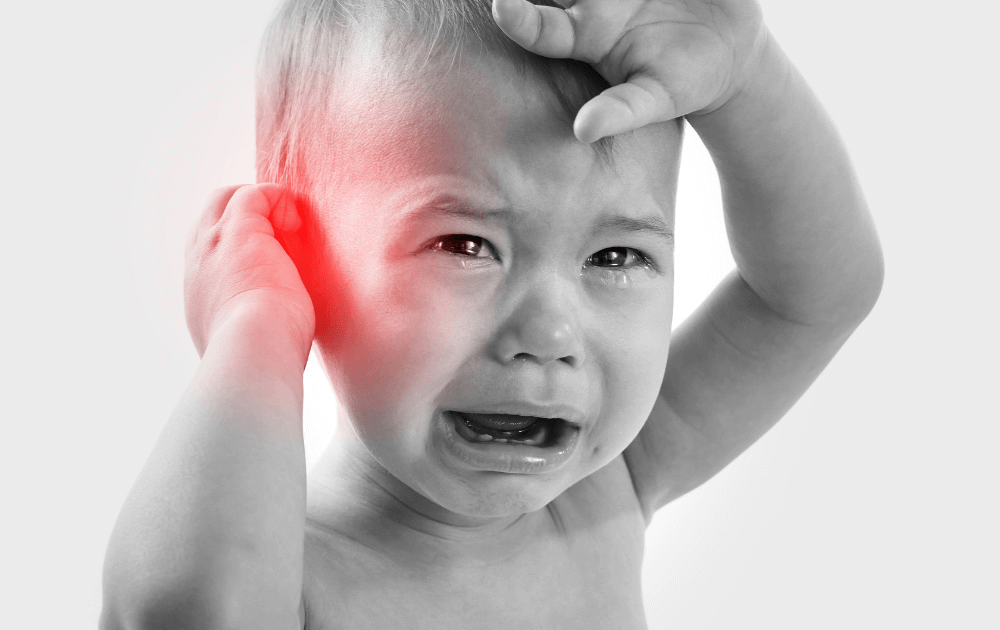
Ear infections in children are unfortunately quite common, and as a parent, it can be worrying when your little one is dealing with one. Understanding the causes behind these infections can help you take the right steps to protect your child’s health. From common colds to allergies, there are several factors that can contribute to ear infections in children. Let’s take a closer look at what might be causing those uncomfortable earaches and how you can manage them effectively.
Table of Contents
ToggleOverview of Ear Infections in Children
Child ear infections, medically known as otitis media, are among the most common childhood illnesses. These infections typically occur in the middle ear, the space behind the eardrum. Children, especially infants and toddlers, are more susceptible to ear infections due to the smaller size and horizontal orientation of their Eustachian tubes, which can lead to fluid accumulation and bacterial or viral growth. Additionally, just as it’s important to monitor your child’s health for conditions like ear infections, it is also wise to be proactive about general health screenings, including STD testing, which can be relevant for older children and teenagers.
The symptoms of child ear infections can vary from mild discomfort to severe pain, fever, irritability, and difficulty hearing. Prompt recognition and treatment of ear infections are essential to prevent potential complications and ensure the child’s comfort and well-being.
Importance of Identifying Causes
Identifying the underlying causes of child ear infections is crucial in developing effective treatment strategies and preventive measures. Various factors can contribute to the development of ear infections in children, ranging from environmental influences to anatomical issues and lifestyle practices.
Pinpointing the specific causes of ear infections in children, healthcare providers can tailor their approach to managing and preventing these conditions, ultimately improving the overall ear health of young individuals.
The table below summarizes some key statistics related to child ear infections:
- Percentage of children who experience at least one ear infection before the age of 3 – 75%
- Common age range for children to develop ear infections – 6 months to 3 years
- Number of doctor visits in the U.S. each year due to ear infections – 30 million
- Antibiotics prescribed for ear infections in children – 60%
Understanding the prevalence and causal factors of child ear infections is essential in enhancing awareness, promoting early detection, and implementing appropriate interventions to safeguard the ear health of young individuals.
Common Causes of Child Ear Infections
Child ear infections can be attributed to various factors, including bacterial infections, viral infections, and fluid build-up in the ears. Understanding these common causes is essential in managing and preventing ear infections in children.
Bacterial Infections
Bacterial infections are one of the primary culprits behind ear infections in children. Common bacterial strains, such as Streptococcus pneumoniae and Haemophilus influenzae, can invade the middle ear through the Eustachian tube, leading to inflammation and fluid accumulation. These infections are often characterized by symptoms like ear pain, fever, and in some cases, discharge from the ear.
- Streptococcus pneumoniae – Ear pain, fever, discharge
- Haemophilus influenzae – Ear discomfort, fever, drainage
Viral Infections
Viral infections are another frequent cause of child ear infections. Viruses like respiratory syncytial virus (RSV) and influenza can affect the upper respiratory tract, leading to congestion and inflammation of the Eustachian tube. This blockage can prevent proper drainage from the middle ear, creating an ideal environment for infection to develop.
- RSV (Respiratory Syncytial Virus) – Congestion, ear pressure, reduced hearing
- Influenza – Ear pain, fever, impaired balance
Fluid Build-Up in the Ears
Fluid build-up in the middle ear, known as otitis media with effusion (OME), can also contribute to the development of ear infections in children. This condition often follows a cold or respiratory infection and involves the accumulation of fluid behind the eardrum. The trapped fluid can harbor bacteria or viruses, increasing the risk of infection.
- Cold or Respiratory Infection – Ear fullness, mild hearing loss
- Allergies – Ear pressure, discomfort
Recognizing the common causes of child ear infections, parents and caregivers can take proactive steps to prevent and address these issues promptly. From practicing good hygiene to seeking timely medical care, understanding the factors that contribute to ear infections is key to promoting ear health and overall well-being in children.
Environmental Factors
Exploring the factors contributing to ear infections in children, environmental influences play a significant role. Two key environmental factors that can impact the development of ear infections in children are allergies and sinus infections, as well as exposure to smoke or air pollution.
Allergies and Sinus Infections
Environmental factors such as allergies and sinusitis are frequent causes of ear infections in kids. When a child experiences allergies or sinus issues, the nasal passages and Eustachian tubes may become inflamed and swollen. This inflammation can disrupt the normal drainage of fluids from the middle ear, creating a conducive environment for bacteria or viruses to thrive.
In cases of allergic reactions or sinus infections, the increased mucus production can block the Eustachian tubes, further contributing to the accumulation of fluid in the ears. This fluid buildup increases the risk of bacterial or viral infections, ultimately leading to ear discomfort and potential infections.
Exposure to Smoke or Air Pollution
Exposure to smoke, whether from tobacco smoke or other sources, as well as air pollution, can also be environmental triggers for ear infections in children. The chemicals and pollutants present in smoke and polluted air can irritate the respiratory passages and compromise the immune system’s ability to fight off infections.
To reduce the risk of ear infections related to environmental factors, parents and caregivers should take proactive measures to minimize exposure to allergens, pollutants, and irritants. Maintaining good indoor air quality, avoiding smoking in the vicinity of children, and addressing any underlying allergies or sinus issues can help create a healthier environment for children and reduce the likelihood of ear infections.
Anatomical Factors
In understanding the causes of ear infections in children, anatomical factors play a significant role. Two key anatomical factors that can contribute to child ear infections are blocked Eustachian tubes and enlarged adenoids.
Blocked Eustachian Tubes
The Eustachian tubes are narrow passages that connect the middle ear to the back of the throat. When these tubes become blocked or inflamed, they can disrupt the normal drainage of fluid from the middle ear. This blockage creates an ideal environment for bacteria or viruses to thrive, leading to ear infections.
Children are more prone to Eustachian tube blockages due to anatomical factors such as the angle and length of the tubes. In younger children, these tubes are shorter and more horizontal, making it easier for fluid to become trapped and for infections to develop.

Enlarged Adenoids
Adenoids are lymphoid tissues located at the back of the nasal cavity, near the Eustachian tubes. When adenoids become enlarged, they can obstruct the Eustachian tubes and interfere with proper drainage. This blockage can lead to a buildup of fluid in the middle ear, creating a breeding ground for bacteria or viruses.
Understanding the role of blocked Eustachian tubes and enlarged adenoids in child ear infections is crucial for effective prevention and treatment strategies. By addressing these anatomical factors and implementing appropriate interventions, parents and caregivers can help reduce the risk of recurrent ear infections in children.
Lifestyle and Hygiene Factors
Understanding child ear infections, certain lifestyle and hygiene factors can play a significant role in their development. Understanding the impact of factors like pacifier use and bottle-feeding practices is crucial in preventing ear infections in children.
Pacifier Use
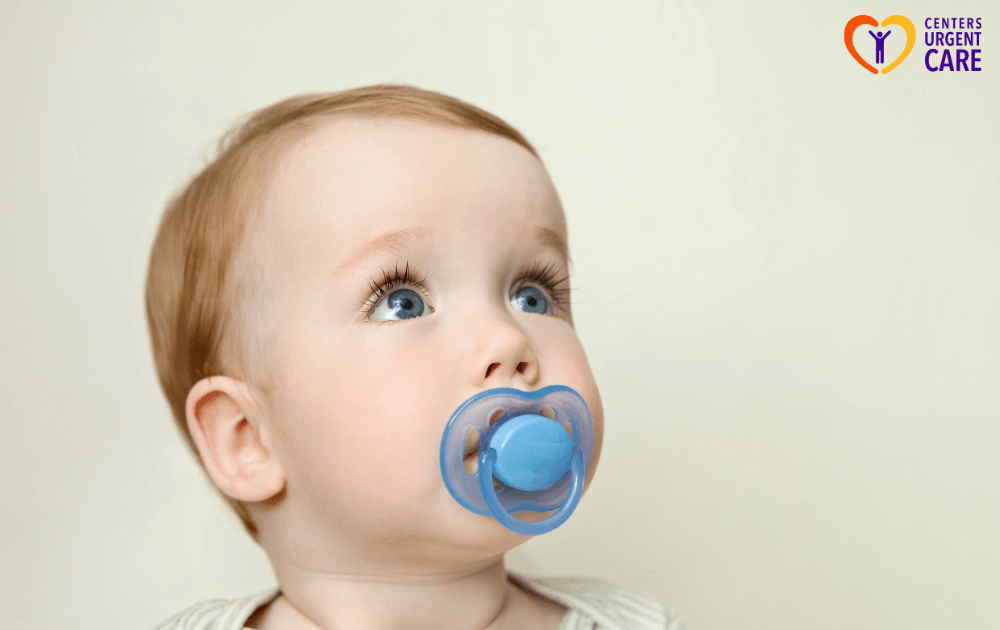
While pacifiers can provide comfort to infants, prolonged or excessive use of pacifiers has been associated with an increased risk of ear infections. This link is often attributed to the sucking motion, which can lead to the improper drainage of fluids from the ears, creating a breeding ground for bacteria.
- 0-6 months – Encouraged for sleep
- 6-12 months – Limited daytime use
- 12+ months – Discouraged to reduce risk of ear infections
To mitigate the risk of ear infections, parents should be mindful of their child’s pacifier use and consider gradually weaning them off the pacifier as they grow older.
Bottle-Feeding Practices
The way in which infants are fed can also influence their susceptibility to ear infections. Bottle-feeding, especially in a lying-down position, can contribute to the backflow of fluids from the throat to the ears, increasing the likelihood of infection.

Ensuring proper bottle-feeding practices, such as maintaining an upright position during feeding and avoiding propping the bottle, can help reduce the chances of fluid buildup in the ears and lower the risk of ear infections in children.
Addressing lifestyle and hygiene factors like pacifier use and bottle-feeding practices, parents and caregivers can take proactive steps to safeguard their children against ear infections. Education on these factors, along with promoting good hygiene practices and timely medical interventions, can significantly reduce the incidence of ear infections and promote overall ear health in children.
Preventing Child Ear Infections
In safeguarding children from the discomfort and potential complications of ear infections, prevention plays a key role. By being proactive and implementing certain measures, parents and caregivers can significantly reduce the risk of ear infections in children. Here are some effective strategies for preventing child ear infections.
Vaccinations
Vaccinations are a critical component of protecting children against various infectious diseases, some of which can lead to ear infections. Ensuring that children receive recommended vaccines, such as the pneumococcal vaccine and the influenza (flu) vaccine, can help reduce the likelihood of infections that may affect the ears.
Staying up to date with vaccination schedules and following the recommendations provided by healthcare providers, parents can provide their children with essential immunity against pathogens that can cause ear infections.
Good Hygiene Practices
Maintaining good hygiene practices is essential for preventing the spread of germs and reducing the risk of infections, including ear infections. Encouraging children to wash their hands regularly, especially before meals and after using the restroom, can help minimize the transmission of bacteria and viruses that can lead to ear infections.
Additionally, practicing proper ear hygiene by gently cleaning the outer ear with a washcloth and avoiding the use of cotton swabs or other objects that could damage the ear canal can contribute to ear health and reduce the likelihood of infections.
Prompt Treatment of Cold and Respiratory Infections
Cold and respiratory infections can sometimes pave the way for ear infections, particularly in children. It is crucial to promptly address and treat cold symptoms, such as nasal congestion and coughing, to prevent the spread of infection to the ears.
Encouraging adequate rest, maintaining hydration, and seeking medical attention if symptoms persist or worsen can help minimize the risk of secondary infections, including ear infections. By taking proactive steps to address respiratory illnesses promptly, parents can help protect their children from the potential complications associated with ear infections.
Focusing on preventive measures such as vaccinations, good hygiene practices, and prompt treatment of respiratory infections, parents can create a supportive environment that promotes ear health and reduces the likelihood of ear infections in children. Understanding the importance of prevention and taking proactive steps can significantly reduce the discomfort and long-term effects of ear infections. At Centers Urgent Care, we offer fast, high-quality urgent care in NYC to address any concerns quickly and efficiently. If you’re looking for expert care and support for your child’s health, contact us today, and we’ll help guide you through the process.
Sources:
2025 has changed my life. I never believed I would be cured by a spell caster who specializes in herbal cure and magical spells. I am talking about the help Doctor Odunga gave to me. I have been cured of herpes HPV which has plagued me for over 2 years. I am very happy to tell others that if you want to be cured or get your ex back spells and get pregnant naturally, even financial blessing through lottery, there is only one place to be and that is with Dr Odunga Spell Temple. Am so happy that just 3 days after taking DR ODUNGA Herbal treatments my herpes was cured permanently. DR ODUNGA also have cure to #HIV #Diabetes #Lupus #Tinnitus #Fibroid #Cancer #Hepatitis B, #Syphilis #Infertility etc … If you have this ailment or whatsoever you might be suffering from you should contact him at his EMAIL: odungaspelltemple@gmail.com OR VIA Whats App +2348167159012