Fever is a common concern for parents, especially when it comes to infants and young children. Understanding when a baby has a fever, what it means, and when to seek help can be crucial for ensuring their well-being. This article will explore baby fever in detail, helping parents know when to worry.
A fever is typically described as a short-term rise in body temperature, often caused by an infection. In young children, a fever commonly indicates that the body is battling a virus or bacteria. If you’re concerned about your child’s symptoms, visiting an urgent care center can provide quick and reliable medical advice. Normal body temperature for babies typically ranges from 97°F to 100.4°F (36.1°C to 38°C). A fever is typically classified as:
Low-grade fever: 100.4°F to 102.2°F (38°C to 39°C)
Moderate fever: 102.3°F to 104°F (39.1°C to 40°C)
High fever: Above 104°F (40°C)
Understanding these classifications can help parents assess the severity of their baby’s fever.
Common Causes of Fever in Infants
Fever in infants can be caused by a variety of factors, including:
1. Infections
Infections are the most common cause of fever in babies. These can include:
Viral infections: Such as colds, flu, or roseola.
Bacterial infections: Such as ear infections, urinary tract infections, or pneumonia.
2. Vaccinations
Some vaccinations can cause a mild fever as a side effect. This is usually not a cause for concern and typically resolves on its own.
3. Teething
Teething can lead to a slight increase in temperature, although it typically doesn’t cause a fever over 100.4°F (38°C).
4. Overheating
Dressing a baby in too many layers or exposing them to hot environments can raise their body temperature.
5. Other Medical Conditions
Less commonly, fever can be associated with conditions such as inflammatory diseases or other underlying medical issues.
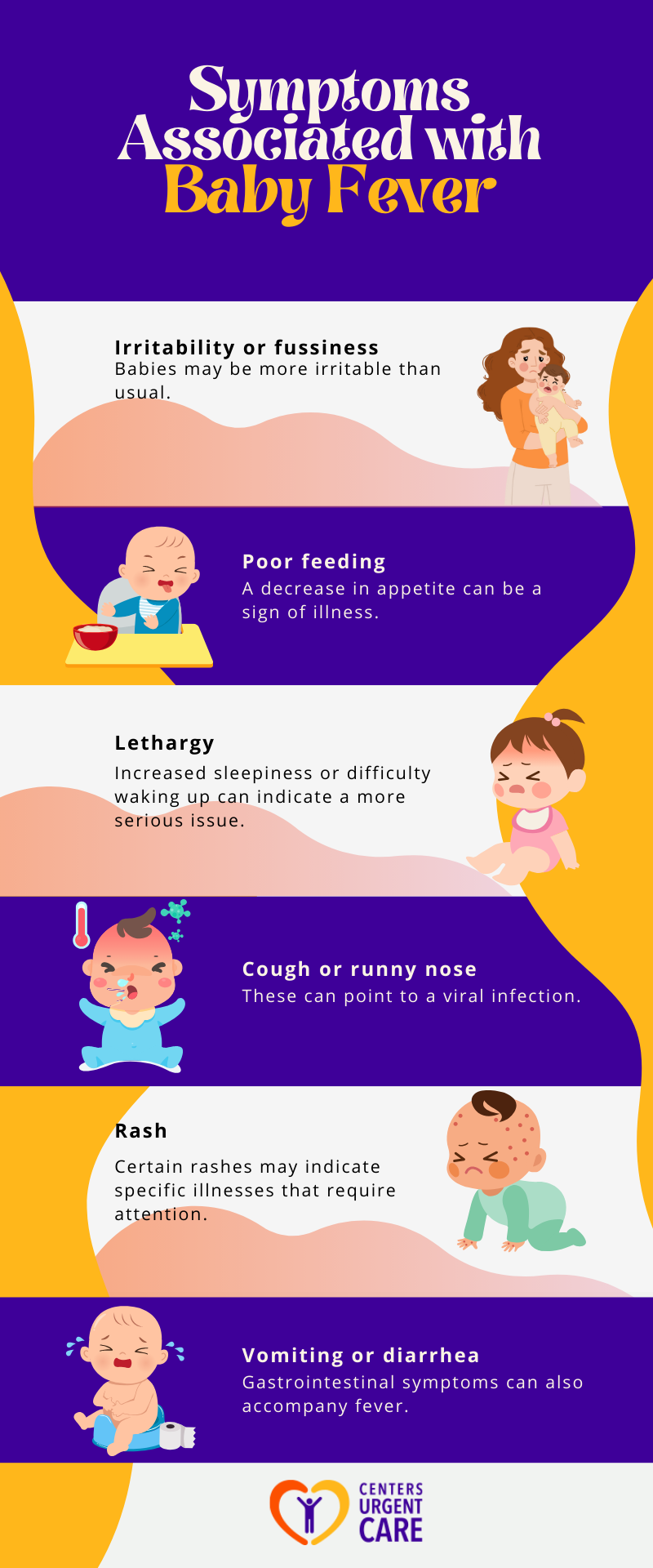
Symptoms Associated with Baby Fever
When assessing a baby with a fever, it’s essential to look for other symptoms, as these can provide crucial context. Common symptoms that may accompany a fever include:
How to Measure a Baby's Temperature
Accurately measuring a baby’s temperature is vital. Here are common methods for taking a baby’s temperature:
1. Rectal Thermometer
This is the most accurate method for infants. Insert the Rectal thermometer about half an inch into the rectum and hold it in place until it beeps.
2. Axillary Thermometer
This method involves placing the Axillary thermometer in the baby’s armpit. It’s less accurate but can be used for a quick assessment.
3. Temporal Artery Thermometer
These infrared thermometers measure the temperature on the forehead and are quick and non-invasive.
4. Ear Thermometer
For babies over six months old, an ear thermometer can be used, but proper placement is essential for accuracy.
When to Worry: Signs That Require Medical Attention
While many fevers can be managed at home, there are specific situations where parents should seek medical advice. These include:
1. Fever in Newborns
Under three months: A rectal temperature of 100.4°F (38°C) or higher requires immediate medical evaluation.
2. Persistent Fever
A fever lasting more than three days in infants of any age should be evaluated by a healthcare provider.
3. High Fever
A fever above 104°F (40°C) in a child of any age is concerning and warrants medical attention.
4. Severe Symptoms
Seek immediate care if the baby shows signs of:
Difficulty breathing
Persistent vomiting or diarrhea
Severe headache or stiff neck
Seizures
Unresponsiveness or lethargy
5. Underlying Health Conditions
If the baby has a weakened immune system or a chronic medical condition, even a low-grade fever may require evaluation.
Home Remedies and Treatments for Baby Fever
In most cases, fevers are harmless and will resolve without treatment. However, if the fever is causing discomfort, parents can try:A lukewarm sponge bath can help lower a fever, but avoid cold baths or alcohol wipes, as they can cause shivering and raise body temperature.
1. Hydration
Encourage fluid intake to prevent dehydration. Offer breast milk or formula for infants, and water or electrolyte solutions for older children.
2. Comfortable Environment
Dress the baby in lightweight clothing and keep their room at a comfortable temperature. Avoid bundling them up too tightly.
3. Fever Reducers
Consult a pediatrician before giving any medication. Acetaminophen (Tylenol) can be given to infants over two months old, while ibuprofen (Advil, Motrin) can be used for babies over six months.
4. Sponge Bath
A lukewarm sponge bath can help lower a fever, but avoid cold baths or alcohol wipes, as they can cause shivering and raise body temperature.
While baby fever is typically a normal response to infection or illness, it’s important for parents to know when to be concerned. Understanding the causes, symptoms, and appropriate treatments empowers caregivers to take swift and effective action.
If you’re ever uncertain about your baby’s health, don’t hesitate to consult a healthcare professional. At Centers Urgent Care, we offer fast, high-quality urgent care services in New York, for children and adults, providing the expert care you need when you need it most. If you need assistance, contact us today to ensure your little one receives the best care possible!
1 thought on “When to Worry About Baby Fever: Helpful Insights”
Christine Davis
2025 changed my life. I never believed I would be cured by a spell caster who specializes in herbal cure and magical spells. I am talking about the help Doctor Odunga gave to me. I have been cured of herpes HPV which has plagued me for over 2 years. I am very happy to tell others that if you want to be cured or get your ex back spells and get pregnant naturally, even financial blessing through lottery, there is only one place to be and that is with Dr Odunga Spell Temple. Am so happy that just 3 days after taking DR ODUNGA Herbal treatments my herpes was cured permanently. DR ODUNGA also have cure to #HIV #Diabetes #Lupus #Tinnitus #Fibroid #Cancer #Hepatitis B, #Syphilis #Infertility etc … If you have this ailment or whatsoever you might be suffering from you should contact him at his EMAIL: odungaspelltemple@gmail.com OR VIA Whats App +2348167159012





















2025 changed my life. I never believed I would be cured by a spell caster who specializes in herbal cure and magical spells. I am talking about the help Doctor Odunga gave to me. I have been cured of herpes HPV which has plagued me for over 2 years. I am very happy to tell others that if you want to be cured or get your ex back spells and get pregnant naturally, even financial blessing through lottery, there is only one place to be and that is with Dr Odunga Spell Temple. Am so happy that just 3 days after taking DR ODUNGA Herbal treatments my herpes was cured permanently. DR ODUNGA also have cure to #HIV #Diabetes #Lupus #Tinnitus #Fibroid #Cancer #Hepatitis B, #Syphilis #Infertility etc … If you have this ailment or whatsoever you might be suffering from you should contact him at his EMAIL: odungaspelltemple@gmail.com OR VIA Whats App +2348167159012