

Flu season is a time when many individuals turn to the flu shot to protect themselves from the influenza virus. The flu vaccine is generally safe and highly effective in preventing the flu, but one common question people have is whether flu shots can interact with other medications they are taking. In some cases, individuals may require additional diagnostic tools like a chest X-ray to rule out other conditions, particularly if symptoms overlap with other respiratory illnesses. This article will provide a comprehensive understanding of flu shots, their purpose, and how they might interact with various medications. It’s important to consult healthcare providers for personalized advice, but knowing the basics can be a helpful first step in managing your health.
Can Flu Shots Interact With Other Medications?
Yes, flu shots can interact with certain medications, though such interactions are rare. For most people, the flu vaccine is safe and effective, even for those taking prescription or over-the-counter medications. However, individuals on immunosuppressive drugs, such as corticosteroids or chemotherapy, should consult with their healthcare provider before getting the flu shot to ensure it’s the right choice for their specific condition.
While most medication interactions with the flu shot are minimal, it’s always a good idea to inform your doctor about any medications you’re taking. This ensures they can assess any potential risks and guide you on the best course of action for both your health and the effectiveness of the vaccine. If you have concerns, don’t hesitate to reach out to your healthcare provider for more personalized advice.
The Science Behind Flu Shots
Before diving into medication interactions, let’s first explore how flu shots work. The flu vaccine is designed to stimulate your immune system to produce antibodies against the influenza virus. It typically contains inactivated or weakened strains of the flu virus, depending on the vaccine type. Upon receiving the shot, your immune system recognizes these virus particles and prepares itself to fight off the actual virus if encountered later.
Flu shots are effective for most people, but they don’t work instantaneously. It usually takes about two weeks after getting the vaccine for your body to develop full protection. Because of this delay in immunity, people are still at risk of catching the flu during the period right after receiving the vaccine.
How Might Flu Shots Interact With Prescribed Medications
Before getting your flu shot, it’s important to consider how certain medications may interact with the vaccine. Some medications can impact its effectiveness, while others may increase the risk of adverse reactions. Understanding these potential interactions can help ensure you receive the best protection possible. Below is a list of medications to be mindful of when preparing for your flu vaccination:

Medications That Can Affect the Effectiveness of Flu Shots
The flu vaccine is designed to work effectively for the majority of the population, but certain medications can interfere with how well the vaccine works. Medications that suppress the immune system, such as chemotherapy drugs or corticosteroids, can reduce the effectiveness of the flu shot.
Immunosuppressants
Immunosuppressive medications, including those used for organ transplant recipients, rheumatoid arthritis, or psoriasis, can impact how well your immune system responds to vaccines. If you’re taking immunosuppressants, it’s essential to speak with your doctor before getting a flu shot, as your doctor may need to adjust your treatment or provide a different vaccine.
Corticosteroids
Corticosteroids are commonly prescribed to treat inflammation, allergies, asthma, and autoimmune conditions. They can weaken the immune system, which may decrease the flu shot’s effectiveness. Your doctor might recommend waiting until you are off corticosteroids or adjusting the timing of your flu shot to maximize its impact.
Chemotherapy and Cancer Treatments
Cancer treatments like chemotherapy or radiation therapy can significantly impair the immune system, making flu shots less effective. If you’re undergoing cancer treatment, your healthcare provider may recommend getting the flu vaccine during periods of less intense therapy or suggest an alternative approach to flu prevention.
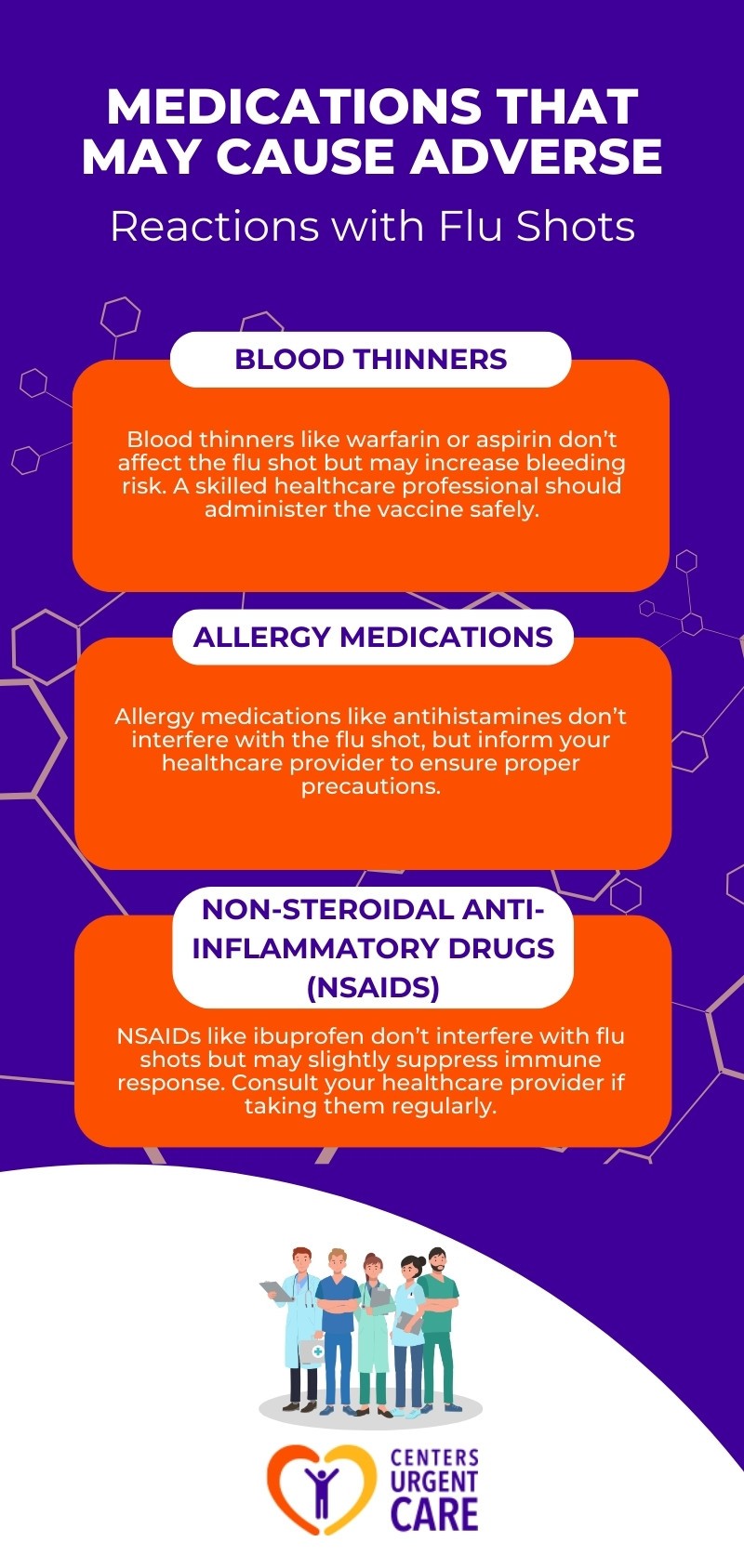
Medications That May Cause Adverse Reactions with Flu Shots
While flu shots are safe for most people, certain medications may cause adverse reactions when combined with vaccines. These reactions could range from mild discomfort to more severe side effects. It’s important to understand potential risks and take steps to mitigate them.
Special Considerations for People with Chronic Health Conditions
If you have a chronic health condition, such as diabetes, heart disease, or lung disease, you may need additional considerations when receiving a flu shot. These conditions can affect how your body responds to the vaccine, and medications you take to manage these conditions might also influence vaccine effectiveness.
Diabetes and the Flu Vaccine
People with diabetes often have a weakened immune system, which may make them more susceptible to infections. The flu shot is essential for individuals with diabetes, but those taking medication to control blood sugar should discuss the timing of their flu shot. Certain diabetes medications, like insulin, do not directly interact with the flu vaccine, but it’s still important to manage your condition to maximize the vaccine’s protective benefits.
Heart Disease and the Flu Vaccine
If you have heart disease, getting the flu shot is highly recommended. The flu can exacerbate heart conditions, leading to complications. Medications for heart disease, like blood pressure medication or beta-blockers, don’t generally interfere with the flu shot. However, it’s crucial to consult your healthcare provider to ensure that your heart condition is properly managed before vaccination.
Lung Disease and the Flu Vaccine
Lung diseases, such as asthma or chronic obstructive pulmonary disease (COPD), make it more difficult for your body to fight off infections like the flu. People with lung disease should receive the flu vaccine as part of their regular care. Medications like bronchodilators or corticosteroids for managing lung conditions may impact how your immune system responds to the vaccine. Again, it’s best to talk to your healthcare provider for personalized advice.
How to Safely Manage Medications When Getting a Flu Shot
Managing medications and receiving a flu shot requires taking proactive steps to ensure both safety and effectiveness. Here are some key considerations to help you navigate the process:

Disclose All Medications to Your Healthcare Provider
The most important thing you can do when preparing to receive a flu shot is to disclose all medications you are currently taking to your healthcare provider. This includes prescription medications, over-the-counter drugs, supplements, and herbal remedies. By having a complete picture of your health, your doctor can make sure the vaccine is administered safely and effectively.
Timing Your Flu Shot with Other Treatments
In some cases, your doctor may recommend timing your flu shot around other treatments or medications. For instance, if you are undergoing chemotherapy, you may be advised to get your flu shot during a period when your immune system is stronger. Similarly, your healthcare provider may recommend delaying the flu shot if you are starting a new course of immunosuppressive medication.
Consider Alternative Flu Prevention Methods
For some individuals, the standard flu shot may not be the most appropriate option due to medication interactions or other health conditions. In these cases, your healthcare provider might suggest alternative flu prevention methods, such as the nasal spray flu vaccine or additional antiviral medications for people with high-risk conditions.
The Importance of Communication and Professional Guidance
While flu shots are an essential part of preventing the flu, it’s important to be mindful of how other medications may impact their effectiveness or safety. By maintaining open communication with your healthcare provider and disclosing all medications you are taking, you can ensure that the flu shot works as intended. If you have concerns or specific health conditions that might interfere with the flu vaccine, your healthcare provider is your best resource for finding a solution that works for you.
Remember that flu season is unpredictable, and staying proactive about your health through vaccination and managing medications is crucial to preventing illness. It’s always wise to consult with a healthcare professional to figure out the best approach for your specific needs. If you’re concerned about potential interactions with your medications or need assistance with vaccinations, don’t hesitate to reach out to us at Centers Urgent Care, we offer prompt and top-notch urgent care for individuals of all ages, making sure you get the highest standard of care when you need it most. If you ever need guidance or have questions, our team at our urgent care center in NYC is ready to help—contact us today!
Sources:
My experience with Profuple Investment has been nothing short of remarkable! Their platform has provided me with a professional and disciplined approach to Forex trading, which has been key to my success. One of the standout features is how quickly they deliver results. Through their trading platform, profuple.com I began seeing my investment grow within just a few days.
A friend introduced us to Profuple, and though it’s relatively new, it already has a growing community of investors. My husband decided to start with a deposit of 500 USDT and earned a 25% profit (125 USDT). What truly impressed us was the seamless withdrawal process — unlike many other platforms that require 72 hours or more, he could withdraw his profit immediately.
I would like to take a moment to share my positive experience with a crypto recovery service. Initially, I was unsure if it would be possible to recover my stolen bitcoins. However, with their expertise and professionalism, I was able to fully recover my funds.
Unfortunately, many individuals fall victim to scams in the cryptocurrency space, especially those involving fraudulent investment platforms. However, I advise caution, as not all recovery services are legitimate. I personally lost a significant amount of Bitcoin from my Binance account due to a deceptive platform.
If you have suffered a similar loss, you may be considering crypto recovery. The service I used assisted me in recovering my stolen funds within 24 hours after gaining access to my wallet. Their service was not only prompt but also highly professional and effective.
Reach out via marciagarci52@ gmail. com OR whatsapp +1 346 810 0725