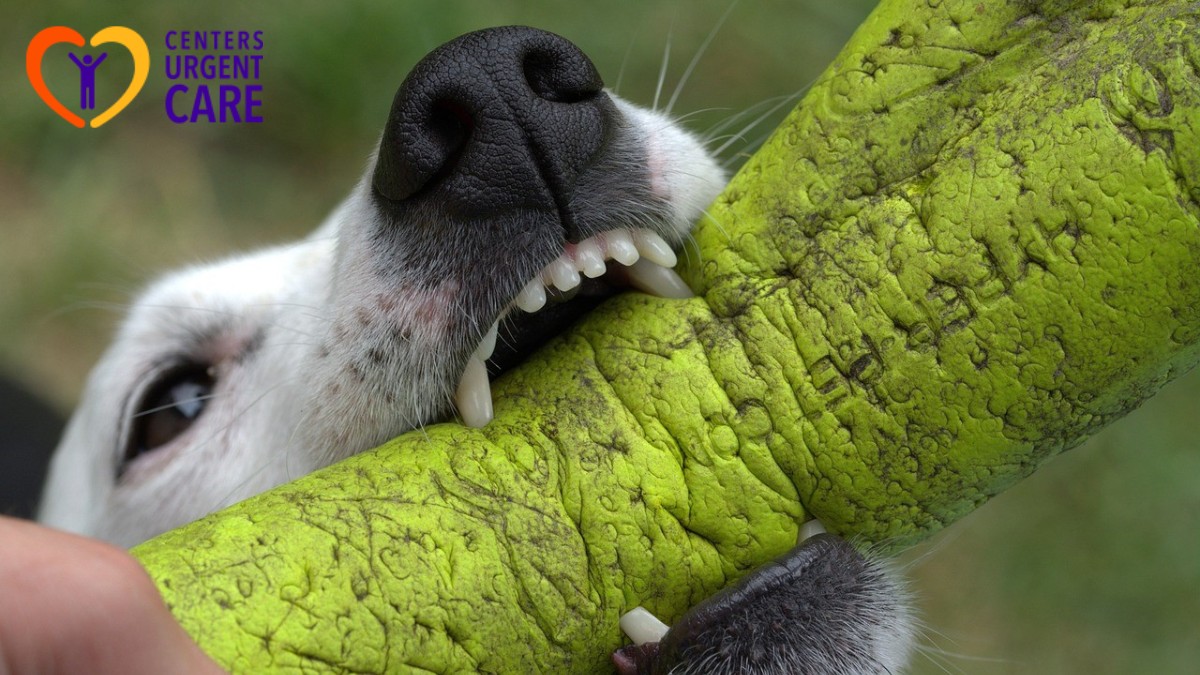

Wellness Tips from Josef Schenker, MD: Dog Bite Care

Dog Bite Care

Wellness Tips from Josef Schenker, MD

Welcome to our Wellness Tips blog series, brought to you by Dr. Josef Schenker, Medical Director at Centers Urgent Care. Drawing on his extensive expertise in internal medicine and emergency medical care, Dr. Schenker is here to help you embrace a healthier, more informed lifestyle.

This series dives into a wide range of essential health topics, providing expert insights and practical advice to help you prevent and manage common ailments. Each blog post is tailored to empower you with the knowledge and tools needed to make proactive, informed choices about your health and overall well-being.

Dog Bite Care

Dog bites are more common than many people realize. In the United States alone, nearly 4.5 million people are bitten by dogs each year, with about 885,000 requiring medical attention. While children are the most frequent victims, anyone interacting with dogs, from pet owners to delivery workers, is at risk.

What might seem like a minor nip can quickly escalate into a more serious health concern if not treated properly. Infection, scarring, or even diseases like rabies are possibilities if a dog bite is ignored. Fortunately, Dr. Josef Schenker is here to guide us through the essentials of dog bite care, helping ensure that you or your loved ones receive the appropriate treatment and avoid complications.

Dog Bite Care

Dr. Josef Schenker Explains Dog Bite Complications

Dog bites can range from playful nips to aggressive attacks, and the reasons behind them vary. A dog may bite out of fear, stress, or territorial behavior, or it may simply feel threatened. Even a normally friendly dog can bite if it is in pain or startled.

Dr. Josef Schenker explains that when bitten, you might experience symptoms such as:

  • Puncture wounds that may bleed or appear bruised.
  • Swelling or redness around the bite site.
  • Pain or tenderness.
  • Warmth at the site of the bite, indicating potential infection.

Complications from Dog Bites

According to Josef Schenker, MD, while some bites heal with minimal care, others can lead to serious issues. These include:

  • Infections: Bacteria from a dog’s mouth, like Pasteurella or Capnocytophaga, can easily infect the wound if left untreated.
  • Rabies: While rare, rabies is a serious and potentially deadly virus that can be transmitted through a dog’s saliva.
  • Tetanus: If the bite is deep, tetanus can occur, causing painful muscle stiffness and tightness.
  • Scarring: Some dog bites can leave lasting scars, especially if the bite is severe.
  • Nerve or Tissue Damage: A deep bite might damage nerves or tissue beneath the surface, leading to long-term issues.

Josef Schenker, MD, Explains Proper Dog Bite Care

Even if a dog bite looks mild, Dr. Josef Schenker stresses that it’s crucial to treat it seriously to prevent complications. Follow these steps for effective care:

Immediate Steps to Take at Home

  1. Wash the Wound: Gently clean the bite with soap and warm water for at least five minutes to remove bacteria.
  2. Apply Pressure: If the wound is bleeding, use a clean cloth to stop the bleeding.
  3. Disinfect: Use an antiseptic solution to clean the area further and reduce infection risk.
  4. Cover the Wound: Apply a sterile bandage or gauze to protect it from dirt and bacteria.

Professional Treatment Options

  • Antibiotics: If the bite is deep or shows signs of infection, your doctor may prescribe antibiotics to help prevent the bacteria from spreading and promote healing. It’s an important step in ensuring the wound doesn’t get worse.
  • Tetanus Shot: If you’re due for a tetanus shot or if the bite is deep or caused by a dirty object, you may need a booster. Tetanus is a serious concern, and the shot helps prevent complications from setting in.
  • Stitches: For large or severe bites, stitches may be necessary to close the wound and encourage proper healing. Getting the wound sutured properly can help reduce the risk of infection and minimize scarring.
  • Rabies Treatment: If there’s any doubt about the dog’s rabies vaccination status, getting a series of rabies shots is crucial. Even if rabies is rare, it’s better to be safe and prevent any life-threatening risks.

Dr. Josef Schenker says that by addressing the wound quickly and thoroughly, you can significantly reduce the risk of serious complications.

Dog Bite Care

Other Things To Do After a Dog Bite

Caring for the wound is just the first step. There are additional precautions to take after a dog bite to ensure safety and prevent further issues.

  • Check the Dog’s Vaccination History: Contact the dog’s owner to verify if the dog is up to date on rabies and other vaccines.
  • Report the Incident: Notify local animal control authorities, especially if the dog appears stray or aggressive, to help prevent future attacks.
  • Get Vaccinations: If there’s any uncertainty about your tetanus or rabies vaccination status, consult a healthcare provider for the necessary immunizations.
  • Monitor the Wound: Watch for signs of infection, such as increased redness, swelling, or pus. Seek medical care if symptoms worsen.
  • Consult a Veterinarian: If it’s your dog that bites someone, take them to a vet to rule out underlying health issues or behavioral concerns.

Dr. Josef Schenker points out that taking these extra steps helps ensure your health and safety while addressing the broader context of the bite.

Josef Schenker, MD, Answers Frequently Asked Questions:

Do I need a tetanus shot after a dog bite?

Yes, if your last tetanus shot was more than five years ago or if the bite is deep or contaminated, you’ll need a booster. Tetanus is a serious infection that can occur from untreated wounds, so it’s important to take this seriously.

When should you worry about a dog bite?

You should be concerned if the bite is deep, bleeding heavily, or showing signs of infection like redness, swelling, or pus. If the dog’s vaccination status is unknown or the bite came from a stray animal, seek immediate medical attention.

Can I treat dog bites at home?

Yes, you can treat minor dog bites at home. Start by cleaning the area thoroughly with soap and water, disinfecting it, and covering it with a sterile bandage. For deeper or more serious bites, it’s important to see a doctor for proper care and to prevent complications.

Dog Bite Care

Prevent Infection: Get Proper Dog Bite Care

A dog bite can be more than just a painful experience—it’s a potential health hazard that requires swift action. Ignoring a bite, even a minor one, can lead to serious infections or long-term complications. Don’t wait for symptoms to get worse before seeking help.

Centers Urgent Care has locations all over New York where you can get proper dog bite care. We provide expert evaluation and treatment for dog bites, ensuring you get the treatment you need promptly. Led by Dr. Josef Schenker, our team of certified professionals will help take care of everything – from cleaning wounds to administering necessary vaccinations. Visit Centers Urgent Care today and take the first step toward a safe and speedy recovery!

Josef Schenker

About Josef Schenker, MD:

Dr. Josef Schenker, a board-certified expert in internal medicine and emergency medical services, brings extensive experience and compassion to his role as Medical Director and Partner at Centers Urgent Care. With leadership in SeniorCare Emergency Medical Services and as an Attending Physician at New York-Presbyterian Brooklyn Methodist Hospital, Dr. Schenker oversees critical care and treatment protocols across varied medical needs. His dedication extends to chairing NYC REMAC, ensuring adherence to state standards in emergency medical procedures. At Centers Urgent Care, Dr. Schenker's expertise ensures prompt, high-quality emergency care for patients of all ages, supported by state-of-the-art facilities including a dedicated pediatric suite.

Leave a Comment

Your email address will not be published. Required fields are marked *

Scroll to Top