





















Table of Contents
ToggleWellness Tips from Josef Schenker, MD
Welcome to our Wellness Tips blog series, brought to you by Dr. Josef Schenker, the Medical Director at Centers Urgent Care. In this series, Dr. Schenker shares his extensive knowledge and experience in internal medicine and emergency medical services, including how to avoid heat exhaustion, to help you lead a healthier life.
Dr. Schenker will cover a range of crucial health topics, offering expert advice on how to avoid common ailments. With a focus on prevention and practical tips, each blog post is designed to empower you with the information you need to make informed decisions about your health and well-being.
How to Avoid Heat Exhaustion in Hot Weather
Feeling dizzy and wiped out after a short walk in the heat can throw off your whole day. Heat sent many Americans to emergency departments during the 2023 warm season, with rates rising across several regions. In 2021, heat contributed to 1,600 U.S. deaths, and 2024 was the nation’s warmest year on record.
Up next, Dr. Josef Schenker explains the causes and sets out simple steps to prevent heat exhaustion.
Dr. Josef Schenker Explains the Symptoms of Heat Exhaustion
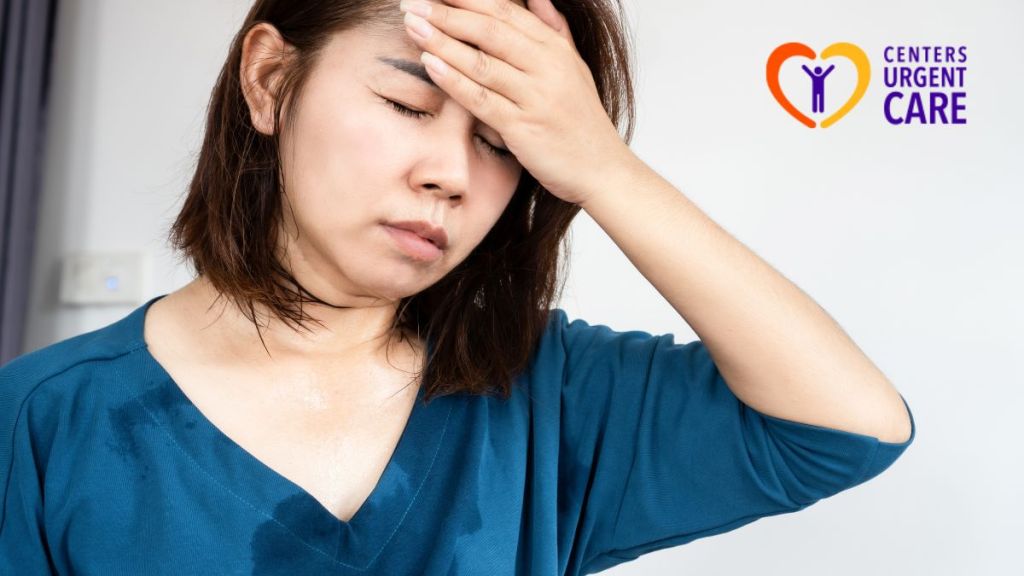
Heat exhaustion symptoms tend to start during hot weather or physical work and then build. Early recognition prevents a slide into severe illness. According to Dr. Josef Schenker, learning the pattern helps you act sooner for yourself or a family member. Heat exhaustion symptoms include the following.
- Heavy Sweating with Pale, Cool, Clammy Skin: Heat exhaustion often triggers profuse sweating as the body tries to cool. Skin may look pale and feel cool or moist. Skin findings can vary by skin tone, so watch for clamminess and other symptoms too.
- Weakness and Unusual Fatigue: The condition commonly causes sudden tiredness that feels out of proportion to your effort. Weakness can limit pace and make simple tasks feel harder.
- Dizziness or Fainting (Heat Syncope): It can reduce blood flow to the brain, which leads to light-headedness. Standing up may worsen the sensation. Brief fainting can occur, especially after exertion in heat.
- Headache: It frequently presents with a steady or throbbing headache. Dehydration and body heat both contribute.
- Nausea or Vomiting: Heat exhaustion can upset the stomach and reduce appetite for fluids. Vomiting increases dehydration risk.
- Muscle Cramps: The condition often includes painful cramps in calves, arms, or abdomen. Salt and fluid losses during sweating drive these cramps.
- Thirst and Decreased Urine Output: It increases thirst as the body signals fluid loss. Urine may become darker and less frequent.
- Fast Heartbeat or Fast Breathing: It raises heart rate as the body works to shed heat. Breathing can speed up as temperature rises. A racing pulse with other symptoms signals significant strain.
Heat exhaustion symptoms may look different across ages and health conditions. Children may show irritability or unusual sleepiness, while older adults may under-report thirst. People who work outdoors or exercise in heat tend to show more than one sign at the same time.

What Is Heat Exhaustion?
Heat exhaustion is a heat-related illness caused by losing too much water and salt through heavy sweating. The loss reduces blood volume and strains the heart’s cooling work. The condition often develops during hot, humid weather or hard work in heat. It sits between heat cramps and heat stroke on the heat illness spectrum.
According to Dr. Josef Schenker, a clear understanding of this stage helps people act early and avoid severe outcomes. The condition starts when body heat production outpaces heat loss. Occupational health experts describe this load as “heat stress,” which combines environmental heat, metabolic heat from work, and clothing or PPE effects.
Two common patterns appear in practice. Exertional heat exhaustion affects athletes, workers, and anyone active in the heat. Classic heat exhaustion affects people during heat waves, even without exercise, especially in homes without cooling.
Risk increases with older age, obesity, heart or kidney disease, and dehydration. Certain medicines raise risk too, including diuretics and some blood pressure or psychiatric drugs, as well as alcohol and illicit stimulants.
Can You Stop Heat Exhaustion Once It Starts?
The condition can be stopped if you act early. Cooling and fluids usually turn symptoms around before they worsen. As Josef Schenker, MD explains, the goal is to reduce body heat and replace losses fast so the illness does not progress. Here are some important pointers:
- Early Recognition Window: Heat exhaustion improves when cooling and hydration start right away. If symptoms worsen or last longer than one hour, medical care is needed because progression becomes more likely.
- Lowering the Heat Load: Getting out of the hot environment reduces the external heat burden on the body. Less heat from the surroundings makes sweating and natural cooling work again.
- Replacing Fluids and Salt: Since it involves water and sodium loss through heavy sweating, rehydration and some electrolyte replacement help restore circulation and temperature control. Clinicians also watch for hyponatremia when people overconsume plain water without salt during long exertion.
- Using Cooling Methods, Not Fever Medicines: Heat illness is hyperthermia, not a fever from infection. Antipyretics like acetaminophen or ibuprofen do not treat heat illness and may add risk in severe cases.
- Watching for Red Flags: Confusion, fainting, persistent vomiting, or a rising temperature signal worsening illness. These signs indicate possible heat stroke, which needs emergency care.
The condition responds when you lower body heat and replace fluids soon after symptoms begin. If symptoms do not ease within an hour, or red flags appear, seek medical care to prevent escalation.

How Long Does Heat Exhaustion Last?
The duration of the condition varies by heat level, hydration, and how fast you cool down. As Josef Schenker, MD notes, the timeline improves when cooling and fluids start early and you avoid returning to heat too soon.
Most people start to feel better within 30 minutes once moved to a cool place and rested. Some recoveries take 30–60 minutes, and many feel washed out for up to 24 hours, even after cooling. After experiencing heat exhaustion, heat sensitivity can linger. People often feel more prone to overheating for about a week, so easy days and cooler environments help.
Return to work or exercise should be gradual. It’s best to wait at least 48 hours after you are clinically recovered. This means normal temperature and lab values before re-exposure to hot conditions.
Josef Schenker, MD, Explains How to Avoid Heat Exhaustion
Like in many conditions, prevention starts with simple daily habits. It’s best to plan ahead for heat, pacing activity, and sticking to a hydration plan that matches your sweat losses. Use the steps below to lower heat strain before it builds:
- Hydrate on a schedule: A practical target is 1 cup every 15–20 minutes, and generally no more than 6 cups per hour. For longer efforts, start fluids a few hours before exercise and include a pre-event drink.
- Acclimatize over 1–2 weeks: A common plan starts with about 20% of the usual exposure on day one and adds no more than 20% per day. Full acclimatization often takes up to 14 days.
- Plan timing and workload: Schedule hard work in the coolest hours and adjust when the HeatRisk/heat index is high. Lighter tasks, more breaks, and shorter bouts help keep core temperature down. Check the daily forecast before you head out.
- Build in shade and cool rest areas: Regular breaks in shade or air-conditioned spaces reduce stored body heat. As heat stress rises, breaks need to be more frequent and longer.
- Dress for heat: Choose light-colored, loose, breathable clothing and a hat. If your work requires gear, use the lightest effective PPE and take extra cooling breaks. Swap out wet face coverings, as they trap heat.
- Use cooling that works in real heat: Air conditioning and cool spaces are most effective during scorching periods. Fans can help only when indoor temps are below ~90°F; above that they can raise strain instead of lowering it.
- Replace electrolytes during long sweating: When sweating for several hours, use sports drinks with balanced electrolytes along with water. Keep intake under ~48 oz per hour.
- Watch out for higher-risk people and use a buddy system: Older adults and people with chronic conditions overheat faster. Plan check-ins and keep cool spaces ready for them. Do not rely on a fan as the main cooling source when it is very hot.
- Review medicines before hot spells: Some diuretics, anticholinergics, and psychotropics increase heat risk or dehydration. Ask your clinician how to adjust routines in hot weather and how to store temperature-sensitive meds.
- Keep a cool-sleep plan after hot days: Night cooling helps recovery and prepares you for the next day. Even a few hours in an air-conditioned place lowers risk. Set up fans only when the room is truly cool.

Heat Exhaustion vs. Heat Stroke: Key Differences
Heat exhaustion and heat stroke sit next to each other on the heat illness spectrum. Missing the line between them can delay lifesaving care. Josef Schenker suggests using a quick head-to-toe check built on the contrasts below. This will help you decide when rest and cooling are enough and when to call 911:
- Core temperature: Heat exhaustion usually stays at or below 104°F (40°C) and does not include brain dysfunction. Heat stroke features a core temperature of around 104–105°F (≥40–40.5°C) plus organ stress. Rectal temperature is the preferred way to assess core heat in suspected heat stroke.
- Mental status: Heat exhaustion keeps thinking and behavior normal. Heat stroke shows confusion, slurred speech, seizures, or coma, which signals a medical emergency.
- Sweating pattern: Heat exhaustion typically brings heavy sweating with cool, clammy skin. Heat stroke skin can be hot and dry or still sweaty, especially in exertional cases, so dry skin is not required.
- Skin and circulation signs: Heat exhaustion often shows pale, cool, moist skin with a fast, weak pulse. Heat stroke presents hot skin and a rapid pulse, and blood pressure can drop as shock develops.
- GI and hydration clues: You’ll typically experience thirst, nausea, or vomiting when you have heat exhaustion. Heat stroke patients may be unable to safely drink and can aspirate, so fluids by mouth are not advised during collapse.
- Response to cooling: Heat exhaustion should improve within about an hour after rest, shade, and fluids. Heat stroke requires immediate rapid cooling and EMS.
Heat exhaustion needs prompt attention because it can progress. If symptoms persist beyond one hour, or if any mental status change appears, treat it as heat stroke and activate emergency care. You can visit Centers Urgent Care for same-day evaluation and follow-up after a heat illness, including guidance on recovery and safe return to activity.
Meanwhile, heat stroke is life-threatening. Call 911 right away, start cooling while you wait, and use rectal temperature in clinical settings to confirm severity.
What to Do if Someone Has Heat Exhaustion
Heat exhaustion needs quick, simple first aid. Early steps lower body heat and replace lost fluids. Here are some step-by-step first aid tips you can use when it happens:
- Move to a cooler place and rest: Get the person into shade or air-conditioning. Have them sit or lie down and limit activity so heat production falls.
- Loosen clothing and start active cooling: Remove hats and extra layers. Place cool, wet cloths or ice packs on the head, neck, armpits, and groin, or have the person take a cool bath if safe.
- Give small, frequent fluids if the person is alert: Offer water or a sports drink in sips. Rehydration helps restore circulation and temperature control. Do not give fluids to anyone who is confused or vomiting because of aspiration risk.
- Address light-headedness safely: If the person feels faint, have them lie down. Elevate legs slightly to support blood flow while cooling continues.
- Avoid fever medicines and salt tablets: Heat illness is hyperthermia, not a fever from infection, so acetaminophen or ibuprofen does not treat it. Salt tablets can worsen nausea and electrolyte balance. Stick to physical cooling and appropriate fluids.
- Plan safe transport when needed: If symptoms are not improving, arrange medical evaluation. Keep cooling going during transport with wet cloths, fanning, or a cool environment.
- Pause strenuous activity for the rest of the day: Do not send the person back to work or exercise after an episode. Resume activity only after full recovery.
Heat exhaustion can progress, so stay with the person and keep cooling while you reassess. If you are unsure, treat it as serious and involve medical care.
Josef Schenker, MD, Answers Frequently Asked Questions:
You get heat exhaustion easily because the risk increases with high heat, humidity, exertion, low hydration, lack of acclimatization, young or older age, higher weight, and chronic conditions. Medicines that limit sweating or fluids, alcohol, and heavy clothing raise risk. Prevention requires hydration, gradual heat exposure, and medical review.
The first signs of heat exhaustion include heavy sweating, tiredness, dizziness, headache, nausea, thirst, and muscle cramps. Pale, clammy skin, a rapid pulse, fast breathing, and a mild fever may follow. Children may become irritable. These signs signal the urgent need to cool down and rehydrate to prevent heatstroke.
Heat exhaustion improves fast with cooling and hydration. Move to a cool place, remove extra clothing, drink cool water or sports drinks, and cool skin with sponging, spraying, fanning, or cold packs at the neck and armpits. Symptoms should ease within 30–60 minutes, or seek medical care promptly.
Prevent heat exhaustion by staying hydrated, pacing activity, and using shade. Drink about 1 cup of fluid every 15–20 minutes during heavy work, wear light loose clothing, and schedule activity in cooler hours. Gradual heat exposure over 7–14 days builds tolerance. Limit alcohol and review medications affecting fluids.
Yes, you can go to urgent care for heat exhaustion if symptoms are mild to moderate and improve with cooling and fluids. If symptoms persist beyond 30–60 minutes or signs of heatstroke appear—confusion, fainting, seizure, inability to drink, or 104°F (40°C) fever—seek emergency care immediately.
Stay Protected: Take Action Against Heat Exhaustion
Heat exhaustion is preventable when you recognize symptoms early and respond with cooling, rest, and hydration. This guide explained the warning signs, causes, and the safest steps to avoid escalation. Acting quickly helps most people recover and lowers the risk of heat stroke.
Visit our urgent care facility in New York for a prompt evaluation if symptoms do not ease within an hour or if you’re unsure about the next step. At Centers Urgent Care, our skilled team offers on-the-spot assessments, fluids, and guidance so you can return to normal safely.
Led by Dr. Josef Schenker, our providers deliver dependable care and practical solutions to help you stay safe in hot weather. Whether you need an exam, advice on prevention, or treatment for lingering effects, we are ready to support you.
Locate a Centers Urgent Care near you and stay protected this summer.

About Josef Schenker, MD:
Dr. Josef Schenker, a board-certified expert in internal medicine and emergency medical services, brings extensive experience and compassion to his role as Medical Director and Partner at Centers Urgent Care. With leadership in SeniorCare Emergency Medical Services and as an Attending Physician at New York-Presbyterian Brooklyn Methodist Hospital, Dr. Schenker oversees critical care and treatment protocols across varied medical needs. His dedication extends to chairing NYC REMAC, ensuring adherence to state standards in emergency medical procedures. At Centers Urgent Care, Dr. Schenker's expertise ensures prompt, high-quality emergency care for patients of all ages, supported by state-of-the-art facilities including a dedicated pediatric suite.