

















Table of Contents
ToggleWellness Tips from Josef Schenker, MD
At Centers Urgent Care, we’re making wellness simpler. Dr. Josef Schenker, our Medical Director, draws from his extensive background in internal medicine and emergency care to share advice you can act on today. From tweaking your routine to tackling health challenges, this series is here to help you live a healthier, more balanced life.
How to Treat Burns
Burns are a common injury that many people experience at some point in their lives. In the US, around 389,000 burn injuries are reported to receive treatment every year. Whether it’s a minor burn from touching a hot pan or a more serious burn from a fire or chemical, knowing how to properly treat burns is crucial. Proper first aid can not only alleviate pain but also prevent infections and speed up the healing process.
Josef Schenker, MD, a renowned medical expert, offers valuable insights on treating burns effectively. In this article, we’ll break down Dr. Schenker’s tips and guidance, so you can be prepared in case you or someone you know suffers a burn.
Dr. Josef Schenker Explains Burns First Aid: What You Need to Know
When it comes to burns, immediate and appropriate first aid is essential. If you or a loved one suffers a burn, Josef Schenker, MD recommends that you do the following:
- Stop the burn: Remove the source of the burn immediately. If it’s a fire, smother it or use water to extinguish it. For chemical burns, rinse the area with running water.
- Cool the burn: Use cool (not cold) water to rinse the burn for at least 10-15 minutes. This helps reduce pain and swelling.
- Remove tight items: Take off rings, bracelets, or any tight items from the burned area before it starts to swell.
- Avoid breaking blisters: If blisters form, do not pop them as this increases the risk of infection.
- Cover the burn: Use a clean, non-stick bandage or cloth to cover the burn. This protects the area from bacteria and further injury.
- Avoid ointments and butter: Do not apply ointments, butter, or other home remedies to severe burns, as these can trap heat and cause infections.
- Seek medical help: For serious burns, always seek professional medical assistance immediately.

How to Treat Burns
Understanding how to treat burns properly can make a significant difference in the healing process. Dr. Josef Schenker emphasizes that different degrees of burns require different approaches. By tailoring your treatment to the severity of the burn, you can ensure better outcomes and quicker recovery.
How to Treat First-degree Burns
First-degree burns are the mildest form of burns and affect only the outer layer of the skin. They usually result in redness, minor inflammation, and pain. Here’s how to treat them:
- Cool the burn: Immediately place the burn under cool running water for about 10-15 minutes or until the pain subsides.
- Apply aloe vera or a moisturizer: After cooling the burn, apply aloe vera gel or a gentle moisturizer to soothe the skin and keep it hydrated.
- Cover the burn: Use a sterile, non-stick bandage to cover the area. This protects it from infection and further irritation.
- Take pain relief if needed: Over-the-counter pain relievers like ibuprofen can help manage pain and reduce inflammation.
- Avoid sun exposure: Keep the burned area out of direct sunlight to prevent further damage.
How to Treat Second-degree Burns
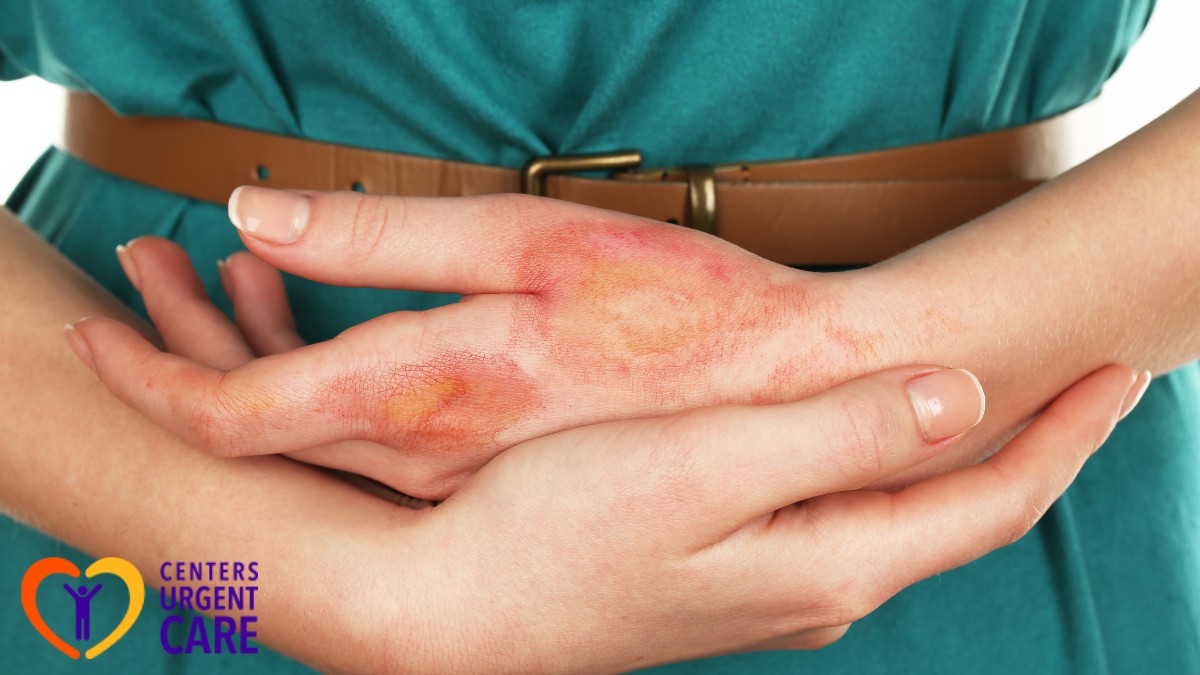
Second-degree burns are more serious and affect both the outer layer and the underlying layer of skin. They often cause blisters, severe pain, and swelling. Here’s the treatment process:
- Cool the burn: Run the burn under cool water for 15-20 minutes. Do not use ice or very cold water as this can cause further tissue damage.
- Do not break blisters: Leave blisters intact to reduce the risk of infection.
- Apply an antibiotic ointment: Gently apply an antibiotic ointment to the burn to prevent infection.
- Cover with a sterile dressing: Use a non-stick, sterile bandage to cover the burn. Change the dressing daily or as needed.
- Elevate the burned area: If possible, keep the burned area elevated to reduce swelling.
- Seek medical attention: If the burn covers a large area, or if there are signs of infection, seek professional medical help. You can visit the nearest urgent care for immediate treatment.
How to Treat Third-degree Burns
Third-degree burns are the most severe and penetrate all layers of the skin, potentially affecting muscles and bones. These burns often appear white, blackened, or charred. Immediate medical attention is crucial. Here’s what you should do:
- Call emergency services: Dial 911 or your local emergency number immediately.
- Do not remove burnt clothing: If clothing is stuck to the burn, do not attempt to remove it. However, if clothing is loose, you can carefully cut it away.
- Cover the burn with a sterile cloth: Use a clean, non-stick cloth to loosely cover the burn. Avoid applying any ointments or creams.
- Monitor for shock: Keep the person lying down with their feet elevated if possible and watch for signs of shock (e.g., fainting, shallow breathing, weakness).
- Do not immerse in water: Unlike less severe burns, do not immerse third-degree burns in water. This can cause further damage and complications.

Josef Schenker, MD, Explains How to Fade Burn Scars Naturally
Burn scars, especially from more severe burns, can be a lingering reminder of an injury. For milder burn injuries, there are ways to help fade burn scars naturally. Dr. Josef Schenker offers several tips for reducing the appearance of burn scars:
- Keep the scar moisturized: Use aloe vera gel or a high-quality moisturizer to keep the skin hydrated, which can help improve its appearance.
- Massage the scar: Gently massaging the scarred area can help break down scar tissue and improve circulation.
- Use silicone sheets or gels: These can be effective in flattening and softening scars.
- Protect from the sun: Sun exposure can darken scars and make them more noticeable. Use sunscreen or cover the scar when outdoors.
- Consider natural remedies: Ingredients like honey, coconut oil, and onion extract have been shown to help reduce scar visibility.
- Stay patient: Scars take time to heal and fade, so be patient and consistent with your care routine.
Josef Schenker, MD, Answers Frequently Asked Questions:
Yes, you should cover a burn. Using a sterile, non-stick bandage can help protect the burn from infection and further injury. Covering the burn also keeps it moist, which can promote faster healing and reduce the likelihood of scarring.
Yes, minor burns such as first-degree burns can heal on their own with proper care, like cooling and moisturizing. However, more severe burns, including second and third-degree burns, require medical attention to ensure proper healing, prevent infections, and avoid complications.
The healing time for burns varies based on their severity. First-degree burns, especially with immediate treatment or first aid, typically heal within a week. Second-degree burns may take several weeks to heal. Third-degree burns can require months and often need specialized treatment to heal properly.
If you don’t treat a burn, it can lead to serious complications. Untreated burns are prone to infections, increased pain, and more severe scarring. For severe burns, lack of treatment can result in permanent damage to the skin and underlying tissues, and even systemic infections.
Go to urgent care for a burn if it is larger than 3 inches, covers sensitive areas like the face, hands, or genitals, causes severe pain, or shows signs of infection such as increased redness, swelling, or pus. Immediate medical attention ensures proper treatment and prevents complications.
Burn Relief and Recovery at Centers Urgent Care
Burns can happen unexpectedly, but knowing how to treat them can make a significant difference in the outcome. While there are remedies you can easily perform to treat minor burns at home, it’s important to remember that severe burns require immediate medical attention.
Burns can be painful and frustrating, especially the more severe ones. You don’t have to suffer through that on your own. If you’re dealing with a serious burn, head to any of our state-of-the-art Centers Urgent Care facilities across New York. Led by Dr. Josef Schenker, our experienced medical team will provide you with top-notch care. Trust us to heal your burn and get you back on your feet.
Don’t let a burn turn into a bigger problem. Visit us today!

About Josef Schenker, MD:
Dr. Josef Schenker, a board-certified expert in internal medicine and emergency medical services, brings extensive experience and compassion to his role as Medical Director and Partner at Centers Urgent Care. With leadership in SeniorCare Emergency Medical Services and as an Attending Physician at New York-Presbyterian Brooklyn Methodist Hospital, Dr. Schenker oversees critical care and treatment protocols across varied medical needs. His dedication extends to chairing NYC REMAC, ensuring adherence to state standards in emergency medical procedures. At Centers Urgent Care, Dr. Schenker's expertise ensures prompt, high-quality emergency care for patients of all ages, supported by state-of-the-art facilities including a dedicated pediatric suite.
2025 has changed my life. I never believed I would be cured by a spell caster who specializes in herbal cure and magical spells. I am talking about the help Doctor Odunga gave to me. I have been cured of herpes HPV which has plagued me for over 2 years. I am very happy to tell others that if you want to be cured or get your ex back spells and get pregnant naturally, even financial blessing through lottery, there is only one place to be and that is with Dr Odunga Spell Temple. Am so happy that just 3 days after taking DR ODUNGA Herbal treatments my herpes was cured permanently. DR ODUNGA also have cure to #HIV #Diabetes #Lupus #Tinnitus #Fibroid #Cancer #Hepatitis B, #Syphilis #Infertility etc … If you have this ailment or whatsoever you might be suffering from you should contact him at his EMAIL: odungaspelltemple@gmail.com OR VIA Whats App +2348167159012