























Key Points:
- IV therapy in Brooklyn can help treat dehydration when vomiting, migraines, heat, or illness make it hard to replace fluids.
- Urgent care checks symptoms, vital signs, and hydration status before starting an IV.
- Severe signs like fainting, confusion, chest pain, or no urine need emergency care.
Staying hydrated is usually as simple as grabbing a glass of water. But sometimes, you unexpectedly get hit by a nasty stomach bug or a scorching day on the subway that leaves you feeling completely wiped out.
When you can’t keep water down or you feel dizzy and weak, you might start looking into IV therapy in Brooklyn. It is important to know that while many people think of IVs as something only for hospital stays or fancy spas, a nearby urgent care location can often help.

IV Therapy Brooklyn: When a Walk-In Visit May Help
Urgent care is a great middle ground when you feel too sick to wait for a primary doctor, but your situation isn’t a life-threatening emergency. If you are losing more fluid than you can take in, your body can struggle to work correctly. This is known as dehydration.
A walk-in visit may help when fluid loss is tied to:
- Frequent vomiting or diarrhea that makes it hard to swallow even a sip of water.
- A severe migraine that comes with intense nausea.
- Getting overheated after a long day of outdoor work or travel.
- A high fever or illness that leaves you too tired to drink enough.
In many mild cases, drinking water or electrolyte drinks at home is enough to get back on your feet. However, if your symptoms are getting stronger or you simply cannot keep any fluids down, dehydration treatment may be needed.
IV infusion therapy in Brooklyn provides fluids directly into your bloodstream, which can be much faster than waiting for your stomach to process a drink.
Common Reasons People Ask About IV Fluids at Urgent Care
It helps to know what usually brings people through our doors for help. While every person is different, there are a few common situations where IV fluids are often discussed.
Stomach Bugs and Viruses
A sudden stomach virus can lead to rapid fluid loss. Among 746 children and adults studied in various health reports, digestive issues are a top reason for seeking help.
Norovirus alone causes about 465,000 emergency department visits and over 2 million outpatient visits each year in the United States. When you are losing fluids from both ends, it is very hard to catch up on your own.
Migraines and Nausea
Headaches are more than just a pain in the neck. In 2021, about 4.3% of adults in the U.S. reported being bothered a lot by a migraine or severe headache in the previous three months.
Often, the nausea that comes with a migraine prevents you from taking your usual medicine. In these cases, IV therapy for dehydration in Brooklyn may also include medicine to help stop the nausea so you can finally rest.
Heat and Summer Days
Living in the city means dealing with heat, especially during those humid summer months. In 2023, research showed that heat-related emergency room visits were high, especially among adults aged 18 to 64.
If you’ve spent too much time in the sun and feel lightheaded or parched, IV fluids walk-in Brooklyn-wide services can help your body cool down and recover its balance.
What Urgent Care Checks Before Starting an IV
At a medical clinic, an IV is not just a menu item. It is a treatment based on a physical exam. When you arrive, the medical team will look for specific signs to see how much help your body needs.
Staff usually check:
- Your History: How long have you been sick, and how many times have you vomited?
- Vital Signs: This includes your blood pressure, heart rate, and temperature.
- Physical Signs: They look for a dry mouth, skin that doesn’t snap back when pinched, or a very fast heartbeat.
- Urine Output: If you haven’t gone to the bathroom in many hours, it’s a sign your body is holding onto every drop of water it has.
In some cases, the team might suggest oral hydration first if your symptoms are mild. If they see signs of more serious issues, they may also use quick lab work to check your electrolyte levels.

What To Expect During Your Visit
If you have never had an IV before, the idea might seem a little scary. Knowing what to expect at urgent care can make the visit much more relaxing.
IV Therapy Brooklyn: What Happens Once You’re Checked In
- Check-in: You’ll let the front desk know your symptoms and fill out basic forms.
- The Exam: A provider will talk with you about your health and check your vital signs.
- The Decision: We decide whether you need fluids, anti-nausea medicine, or a trip to the hospital.
- Placement: A small, flexible tube is gently placed into a vein, usually in your arm.
- Monitoring: You will rest while the fluids drip slowly into your system.
- Discharge: Once you feel better and can keep a little water down, you’ll be given instructions on how to care for yourself at home.
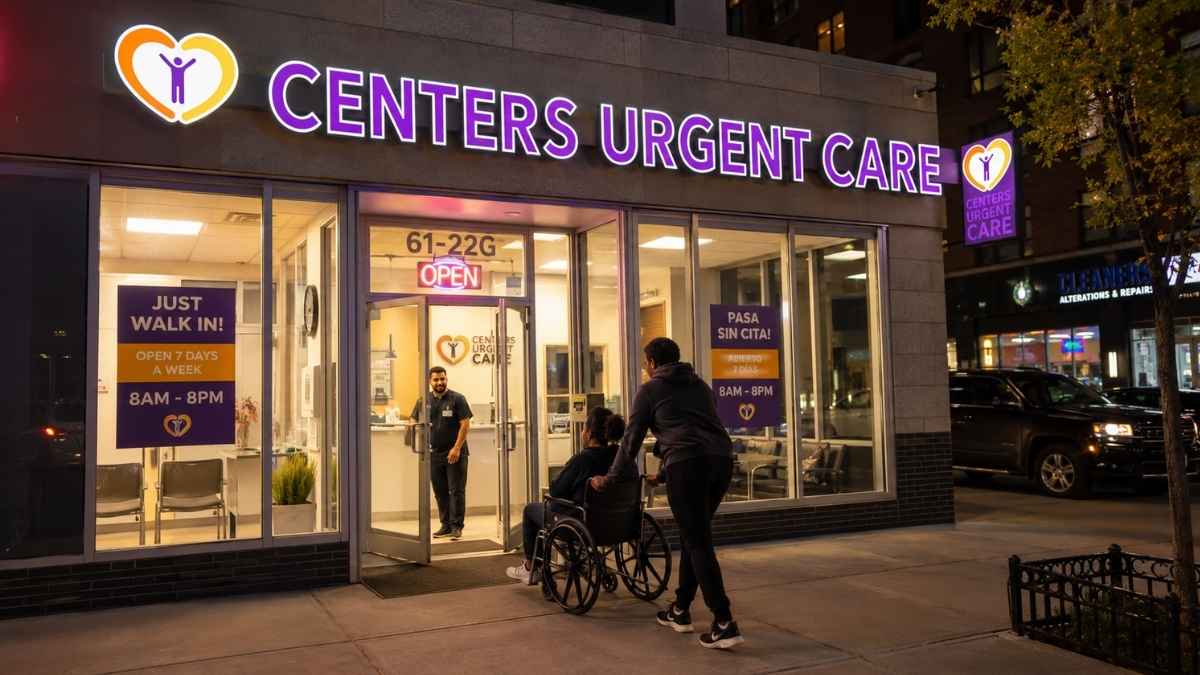
At Centers Urgent Care, we offer walk-in IV treatment in Flatbush Brooklyn and IV hydration therapy in Boro Park Brooklyn to help you feel better without the long wait of a hospital waiting room.
When the ER Is the Better Choice
While urgent care can handle many cases of dehydration, some situations are too serious for a clinic. You should go straight to the ER if you experience:
- Fainting or passing out.
- Feeling very confused or disoriented.
- Chest pain or trouble breathing.
- Not passing any urine at all for a long period.
- Signs of heat stroke, like a very high body temperature and no sweating.
If you aren’t sure, it is always okay to ask. Urgent care centers are designed for non-life-threatening issues, and if your case is too severe, the staff will make sure you get moved to a hospital safely.

FAQs About IV Fluids at Urgent Care
Do I need to call ahead before going to urgent care for IV fluids?
Calling ahead is recommended because IV availability can vary based on current staffing, whether the patient is an adult or needs pediatric urgent care, and the severity of symptoms. While many locations offer these services, checking in advance ensures the facility has the necessary supplies and medical providers ready to assist you upon arrival.
Are sports drinks the same as oral rehydration solutions?
No, sports drinks and oral rehydration solutions are not the same. Oral rehydration solutions are specifically balanced with the correct ratio of sugar and salt to help the body absorb water efficiently during illness. Sports drinks often contain too much sugar and not enough of the specific electrolytes needed for medical dehydration.
Can dehydration come back after an IV?
Yes, dehydration can return if the underlying cause is still active. If you continue to experience vomiting, diarrhea, or a high fever after receiving IV fluids, your body will keep losing water. It is important to continue sipping fluids and resting at home to ensure your recovery stays on track.
Seek Same-Day Care Before Symptoms Get Worse
When you cannot keep fluids down or a migraine leaves you feeling drained, a walk-in visit can help you get back to your normal self. Professional medical evaluation ensures you receive the right treatment at the right time.
At Centers Urgent Care, we provide dedicated walk-in care in New York, including Brooklyn. We are here to help you determine if urgent care is the best fit for your symptoms or if you need a different level of care.
If you feel weak and need a medical evaluation today, please visit one of our clinics or contact us to learn more about how we can help you recover.