


















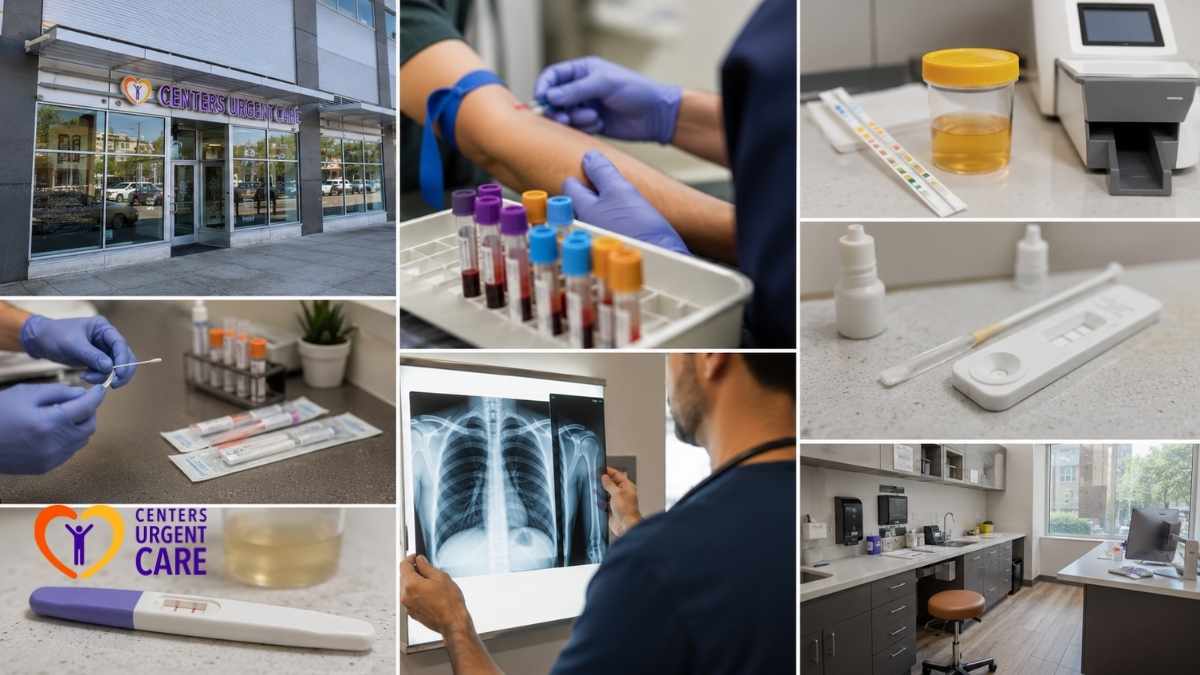





Occupational injury management services are critical for maintaining a healthy and safe work environment. As organizations grow and employees engage in various tasks, the likelihood of workplace injuries also increases. Whether in industrial settings, office environments, or other sectors, occupational injuries are an unfortunate reality. The good news is that with the right management services, these injuries can be minimized, treated, and prevented from recurring. X-rays, for example, can play a vital role in diagnosing the extent of injuries, ensuring proper treatment and recovery.
This article will delve into the importance of occupational injury management, the various services involved, and how they can help organizations and employees foster a safer, more productive environment.
Table of Contents
ToggleWhat Are Occupational Injury Management Services?
Occupational injury management services encompass a comprehensive approach to preventing, managing, and treating injuries sustained by employees in the workplace. These services involve several key components, such as risk assessments, injury prevention programs, immediate treatment for injuries, rehabilitation, and post-injury follow-up care. These services ensure that employees receive appropriate medical attention while helping organizations maintain legal and regulatory compliance.
A good injury management system focuses not only on immediate medical care but also on providing long-term solutions that help prevent re-injury and improve overall workplace safety.
Why Occupational Injury Management Matters
Injury management is not just about treating injuries after they occur; it is about creating a culture of safety within the workplace. A structured approach to managing occupational injuries can significantly reduce the overall number of incidents. Additionally, it improves the well-being of employees and keeps businesses compliant with workplace safety regulations.
The financial benefits of effective injury management are also substantial. Reduced worker compensation claims, fewer lost workdays, and lower insurance premiums all contribute to the bottom line. Moreover, employees who feel cared for and protected are more likely to remain engaged and productive.
Key Services in Occupational Injury Management
Effective occupational injury management involves a comprehensive approach that addresses various stages of injury prevention, treatment, and recovery. The following key services are essential in ensuring a safe and supportive environment for employees while minimizing disruptions to the workforce. By implementing these strategies, organizations can not only prevent injuries but also provide the necessary care and support when injuries do occur, ensuring a swift and effective return to work. Here’s an overview of the key services in occupational injury management:
1. Risk Assessment and Injury Prevention
The first step in effective injury management is identifying potential risks before they lead to injury. Risk assessments involve evaluating the workplace for hazards, whether they are physical (such as slippery floors or machinery) or environmental (like poor lighting or extreme temperatures). Occupational health experts conduct these assessments regularly to identify problem areas and create solutions to mitigate risks.
Injury prevention programs are then put into place to train employees on safe practices and ergonomics. Employees are educated about lifting techniques, proper posture, and using equipment safely. Preventing injuries before they happen is the most cost-effective method of managing workplace injuries.

2. Immediate Treatment and First Aid
When an injury occurs, it is essential to respond quickly and efficiently. Immediate treatment services are designed to address injuries as soon as they happen, from first aid to emergency medical care. Depending on the severity of the injury, employees may require immediate attention or transportation to medical facilities. Having trained personnel on-site to manage these situations can reduce the severity of injuries and speed up recovery.
Additionally, implementing an incident reporting system allows organizations to document injuries for later analysis and ensure that employees receive the necessary care.
3. Medical Assessment and Treatment
A thorough medical evaluation is required to determine the extent of an injury and recommend appropriate treatment. Occupational injury management services offer access to medical professionals who specialize in workplace injuries. These professionals assess the injury, prescribe treatments, and monitor recovery to ensure that employees are receiving the correct care.
Medical treatments may involve physical therapy, medication, or even surgery, depending on the nature of the injury. Coordination between healthcare providers, the employee, and the employer ensures the best outcomes for all parties.
4. Rehabilitation and Return-to-Work Programs
Rehabilitation is a vital part of the injury management process. After treatment, employees may need physical therapy or other rehabilitation services to regain full function. Occupational injury management services often provide tailored rehabilitation programs that help employees recover quickly and safely. These programs are designed to gradually return the employee to their pre-injury productivity level while minimizing the risk of reinjury.
Return-to-work programs focus on integrating injured employees back into the workforce in a manner that ensures they can perform their duties effectively without exacerbating their injury. These programs are especially beneficial for employees with long-term injuries, providing accommodations such as modified duties or a gradual increase in workload.
Why Are Occupational Injury Management Services Important?
Occupational injury management services are essential for businesses as they play a crucial role in maintaining the health and well-being of employees while minimizing the impact of injuries on productivity.

Legal Considerations in Occupational Injury Management
When managing occupational injuries, understanding the legal landscape is crucial for both employers and employees. Proper injury management not only ensures the health and safety of workers but also helps businesses stay compliant with relevant laws and regulations. Below, we explore the key legal considerations that play a role in effective occupational injury management:
1. Workers’ Compensation
In many countries, workers’ compensation laws require employers to provide compensation to employees who suffer workplace injuries. Occupational injury management services help businesses comply with these laws by documenting incidents, facilitating claims, and ensuring that employees receive the appropriate compensation.
For employers, workers’ compensation insurance helps cover the cost of medical care, lost wages, and rehabilitation services. Proper management of these claims ensures that both employees and employers understand their rights and responsibilities under the law.
2. Regulatory Compliance
Occupational safety regulations, such as those enforced by the Occupational Safety and Health Administration (OSHA) in the United States, require employers to maintain a safe working environment. Non-compliance can lead to hefty fines and legal repercussions. Effective injury management services ensure that organizations meet these regulatory requirements by addressing risks proactively, maintaining proper documentation, and following established procedures.
In the event of an injury, employers must adhere to specific reporting and follow-up processes to remain compliant with workplace safety laws. Injury management services help navigate these regulations and maintain legal compliance.
The Role of Employers in Injury Management
Injury management in the workplace involves a collaborative approach between employers, employees, and healthcare providers. Employers play a key role in both preventing injuries and supporting employees through recovery. Below, we explore some of the critical responsibilities employers have in managing workplace injuries.
1. Creating a Safe Work Environment
Employers are responsible for providing a safe work environment for their employees. This includes conducting regular safety training, ensuring that the workplace is free from hazards, and providing personal protective equipment (PPE). A proactive approach to workplace safety can significantly reduce the likelihood of injuries occurring in the first place.
2. Supporting Injured Employees
Once an injury occurs, it is the employer’s responsibility to ensure that injured employees receive the necessary medical treatment and support during recovery. Employers should work closely with healthcare providers to facilitate the injured employee’s rehabilitation and return to work.
Providing support during recovery can include offering flexible work schedules, modified duties, or assistance with the workers’ compensation claims process. A supportive work environment contributes to a faster recovery and improves employee morale.

Benefits of Occupational Injury Management Services
Introducing occupational injury management services into your organization brings numerous benefits that positively impact both employees and employers. By prioritizing the health and safety of your workforce, you not only promote a supportive environment but also ensure the long-term success and productivity of your business. Here are some key advantages that highlight the importance of implementing effective injury management services:
1. Enhanced Employee Well-Being
Effective injury management services promote the health and well-being of employees. From injury prevention to rehabilitation, employees are given the resources and support they need to recover and return to work safely. This not only helps employees physically but also reduces stress and anxiety related to injuries and the recovery process.
2. Cost Savings for Employers
Reducing the number of workplace injuries and minimizing the severity of those that do occur, employers can save money on healthcare costs, insurance premiums, and workers’ compensation claims. Investing in injury management services leads to long-term cost savings and a healthier bottom line.
3. Improved Workplace Safety Culture
As organizations prioritize occupational injury management, they foster a culture of safety and care. Employees are more likely to follow safety protocols and be vigilant about potential hazards. This proactive approach reduces the likelihood of injuries and creates a more productive and engaged workforce.
Occupational injury management services are an essential part of ensuring employee safety, well-being, and productivity. These services help prevent injuries, provide timely and effective treatment when injuries occur, and support employees through rehabilitation and their return to work. By implementing comprehensive injury management strategies, businesses can create a safer, more supportive work environment that benefits both employees and employers.
Investing in occupational injury management services helps reduce workplace injuries, lower costs, and improve overall workplace safety. Regardless of the size of your company, these services are essential for fostering a culture of safety and care. At Centers Urgent Care, we offer fast, high-quality urgent care services for both children and adults, ensuring prompt and effective treatment for any work-related injuries. If you’re looking for urgent care in NY, don’t hesitate to contact us today to learn how we can assist with your workplace safety needs!
Sources:
2025 has changed my life. I never believed I would be cured by a spell caster who specializes in herbal cure and magical spells. I am talking about the help Doctor Odunga gave to me. I have been cured of herpes HPV which has plagued me for over 2 years. I am very happy to tell others that if you want to be cured or get your ex back spells and get pregnant naturally, even financial blessing through lottery, there is only one place to be and that is with Dr Odunga Spell Temple. Am so happy that just 3 days after taking DR ODUNGA Herbal treatments my herpes was cured permanently. DR ODUNGA also have cure to #HIV #Diabetes #Lupus #Tinnitus #Fibroid #Cancer #Hepatitis B, #Syphilis #Infertility etc … If you have this ailment or whatsoever you might be suffering from you should contact him at his EMAIL: odungaspelltemple@gmail.com OR VIA Whats App +2348167159012
As part of a comprehensive occupational injury management strategy, this article highlights risk assessments, immediate treatment, rehabilitation, and return-to-work programs to ensure employee safety and well-being.