
























Wellness Tips from Josef Schenker, MD
Welcome to our Wellness Tips blog series, brought to you by Dr. Josef Schenker, the Medical Director at Centers Urgent Care. In this series, Dr. Schenker shares his extensive knowledge and experience in internal medicine and emergency medical services, including folliculitis treatment and prevention, to help you lead a healthier life.
Dr. Schenker will cover a range of crucial health topics, offering expert advice on how to avoid common ailments. With a focus on prevention and practical tips, each blog post is designed to empower you with the information you need to make informed decisions about your health and well-being.
Plantar Fasciitis Treatment and Prevention for Heel Pain
Plantar fasciitis treatment and prevention start with understanding why the bottom of the heel hurts in the first place. Plantar fasciitis is the most common cause of heel pain and affects about 1 in 10 people. More than 2 million people in the United States are treated for plantar fasciitis each year. In this guide, Dr. Josef Schenker walks through symptoms, causes, plantar fasciitis treatment and prevention options, and everyday steps that protect the feet so you can stay active with less pain.
Dr. Josef Schenker Explains the Symptoms of Plantar Fasciitis
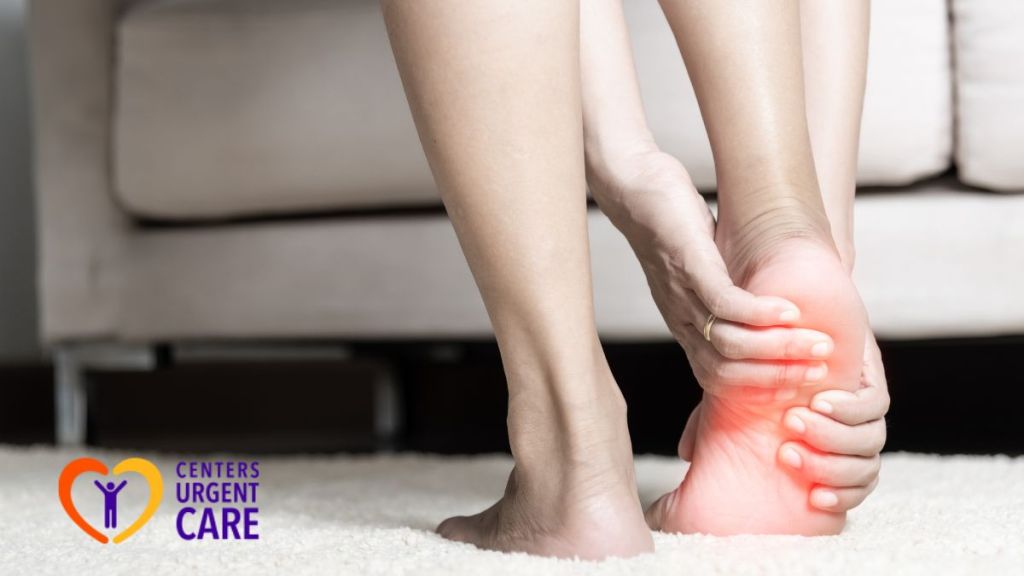
The symptoms of plantar fasciitis usually start near the heel’s bottom, where the plantar fascia attaches to the bone. Many people describe sharp pain with the first steps after getting out of bed or after sitting for a while.
Josef Schenker, MD notes that heel pain from plantar fasciitis often follows a pattern across the day. It feels worst with the first steps, improves a bit as you move, then can return after long periods of standing or after a full day on your feet. Here are common symptoms seen in plantar fasciitis:
- Sharp heel pain with first steps: Pain is usually felt at the bottom of the heel when you first stand up in the morning or after sitting. It may ease after a few minutes of walking.
- Pain after long standing or walking: Standing on hard surfaces or walking long distances can trigger or worsen heel pain, especially if shoes lack support.
- Tenderness at the inside of the heel: Pressing on the inner bottom edge of the heel often reproduces the pain because that is where the plantar fascia attaches.
- Stiffness in the arch or heel: The bottom of the foot can feel tight, especially when you first move the ankle or toes upward toward the shin.
- Pain that worsens after, not during, activity: Exercise or long walks may feel tolerable at first, but pain often spikes once you stop and rest.
- Mild swelling or warmth in the heel area: Some people notice slight swelling or warmth at the painful spot, although this is usually subtle.
Not everyone with plantar fasciitis will have all of these symptoms. Some will only notice a few minutes of sharp heel pain in the morning. Others will feel sore throughout the workday, especially if they stand on hard floors, walk long distances, or wear unsupportive shoes.

What Is Plantar Fasciitis?
Plantar fasciitis develops when the plantar fascia, a strong tissue band that runs from the heel to the toes and supports the arch, becomes irritated and forms tiny tears. When this band is overloaded, tiny tears and degenerative changes develop at its attachment on the heel, leading to pain with standing and walking.
According to Dr. Josef Schenker, it helps to think of plantar fasciitis less as a classic “inflamed” tendon and more as a stressed structure that needs time, support, and gradual loading to heal. Here are the key points about plantar fascia and plantar fasciitis:
- Role of the plantar fascia: The plantar fascia supports the arch and absorbs shock with each step. Repeated strain, especially without good footwear, leads to microscopic injury.
- Degenerative, not just inflammatory: Studies show degenerative changes in the fascia with thickening and collagen breakdown, which is why some experts prefer the term “plantar fasciopathy.”
- Who is most affected: Plantar fasciitis is common in adults between the ages of 40 and 60 and accounts for up to 15% of foot injuries in the general population.
- Typical risk factors: Extra body weight, flat feet or very high arches, limited ankle flexibility, long periods of standing or walking on hard floors, and running or jumping sports all increase stress on the fascia and raise the risk of heel tendonitis.
- Heel spurs and plantar fasciitis: Heel spurs are present in about half of patients, but are not the main cause of pain. The irritation of the fascia itself is usually the source.
Understanding these basics makes it easier to follow a plan for plantar fasciitis treatment and prevention that reduces strain on the fascia while it heals.
Can Plantar Fasciitis Be Cured?
Plantar fasciitis can usually be brought under control with the right mix of rest, stretching, footwear changes, and other conservative care. Orthopedic guidelines note that approximately 90% of patients who start early treatment experience significant improvement within 2 to 3 months. Only about 5% of cases require surgery.
A “cure” usually means that heel pain calms down and daily activities become comfortable again. However, the plantar fascia can remain sensitive if it is subjected to the same overload that caused the symptoms in the first place, much like muscle strain that returns when activity ramps up too fast. That is why plantar fasciitis treatment and prevention go hand in hand. Here is how care often progresses:
- Initial home care: Resting from painful activities, icing the heel, and taking short courses of nonsteroidal anti-inflammatory drugs (NSAIDs) often reduce pain.
- Structured stretching: Calf and plantar fascia stretches done several times a day shorten flares and lower the chance of ongoing pain.
- Supportive devices: Heel cups, arch supports, or custom orthotics shift the load off the fascia so it can heal while you stay mobile.
- Night splints: Night splints that keep the ankle gently flexed can ease intense morning pain for people with chronic symptoms.
- Advanced treatments: When pain persists after several months of consistent care, clinicians may discuss steroid injections, shock-wave therapy, or other procedures. Surgery is reserved for rare, stubborn cases.
The key is consistent treatment and prevention of plantar fasciitis over time, rather than quick fixes that only help for a few days.
How Long Does Plantar Fasciitis Last?
Most mild cases of plantar fasciitis flare up with simple measures in a few weeks, but more stubborn cases can take months. Josef Schenker, MD emphasizes that symptom length depends on how early you act, how much strain stays on the fascia, and whether there are risk factors like obesity or long hours of standing on hard floors.
Early changes for heel pain often mirror the advice used in osteoarthritis prevention, where consistent habits protect weight-bearing joints. Here’s a look at some helpful timelines: Here’s a look at some helpful timelines:
- Typical recovery with treatment: Many patients improve within 6–12 weeks after starting stretching, footwear changes, and load management.
- One-year outlook: About 75–80% of cases resolve over 12 months with conservative care, even when symptoms have been present for a while.
- Chronic cases: A small group continues to have symptoms for longer than a year, often due to ongoing overload or biomechanical issues. These cases sometimes need more intensive physical therapy or procedures.
- Effect of delayed care: Evidence suggests that the longer heel pain is ignored, the longer recovery takes. Early activity changes and stretching shorten flares.
If heel pain lasts beyond a few weeks despite home care, or if it interferes with walking, work, or sleep, it is wise to seek medical evaluation.

Josef Schenker, MD, Explains Plantar Fasciitis Treatment and Prevention
Plantar fasciitis treatment and prevention share the same goal: to reduce stress on the plantar fascia while keeping you as active as possible. As Josef Schenker explains, treatment works best when it combines home care, footwear changes, and targeted therapies rather than relying on a single step. Here are approaches commonly used to treat plantar fasciitis:
- Rest and smart activity changes: Short breaks from running, jumping sports, or long walks on hard surfaces give the fascia time to calm down. Low-impact exercise like cycling or swimming helps maintain fitness while the heel recovers and lowers the risk of sports injuries requiring treatment.
- Calf and plantar fascia stretching: Daily stretches for the calf muscles and plantar fascia reduce tension at the heel. Many guidelines recommend several short stretch sessions each day rather than one long session.
- Ice and short-term pain relief: Applying ice to the heel for 15–20 minutes after activity and using over-the-counter NSAIDs for a few days can reduce pain and inflammation. Always follow label instructions or your clinician’s advice.
- Supportive shoes and orthotics: Shoes with firm heel counters, cushioned soles, and good arch support help distribute pressure. Prefabricated or custom orthotics can reduce pain and improve function in many patients.
- Night splints: Wearing a night splint that holds the ankle in gentle dorsiflexion keeps the fascia stretched overnight and can reduce severe morning pain over 1–3 months.
- Physical therapy: Targeted exercises, manual therapy, and taping techniques help improve foot mechanics, calf strength, and tissue tolerance. Physical therapists often guide a graded return to running or sport.
- Injections and other procedures: If symptoms persist for several months despite conservative care, clinicians may consider corticosteroid injections, platelet-rich plasma, or shock-wave therapy. These options are usually reserved for chronic, stubborn cases.
Combined, these strategies create a practical plan for plantar fasciitis treatment and prevention, making heel pain less frequent and easier to control.
How to Avoid Plantar Fasciitis
Prevention focuses on reducing repetitive stress on the plantar fascia. Small changes in daily habits add up and help keep heel pain from becoming a regular problem. Here are steps that lower the risk of plantar fasciitis:
- Maintain a healthy weight: Learning how to avoid obesity reduces the load on the arch and heel with each step. Studies link higher body mass index to an increased risk of plantar fasciitis, especially among adults aged 40 to 60.
- Choose supportive footwear: Shoes with good arch support, cushioning, and a firm heel counter protect the plantar fascia. Replace worn-out shoes, especially if you walk or run more than 10 miles per week.
- Avoid long periods on hard floors when possible: Extended standing and walking on concrete or tile are linked to heel pain in workplace studies. Anti-fatigue mats or cushioned insoles can help when you cannot change the surface.
- Increase training slowly: Runners and walkers should increase distance and intensity in small steps each week to avoid sudden overload of the fascia and reduce the risk of needing urgent care for sports injuries.
- Stretch calves and feet regularly: Simple calf and plantar fascia stretches after activity and before bed help keep the fascia flexible and may reduce flare-ups.
- Protect the feet at work: Jobs that require heavy lifting or long hours on the move benefit from supportive shoes, arch supports, and scheduled breaks to sit and stretch.
- Avoid walking barefoot on hard surfaces: Going barefoot or wearing thin, unsupportive shoes on tile or concrete increases strain on the fascia over time.
These habits work alongside plantar fasciitis treatment and prevention plans, making it less likely for heel pain to return once symptoms improve.

What to Do if You Think You Have Plantar Fasciitis
The goal is to ease pain, reduce strain, and watch for signs that the problem might be something more serious than plantar fasciitis. Josef Schenker. MD reminds patients that heel pain that changes suddenly, includes numbness, or follows a major injury should be checked promptly to ensure the correct diagnosis is made.
Here are practical steps to take right away:
- Cut back on painful activities: Reduce or pause running, jumping, or long walks that spike heel pain. Switch to low-impact options like cycling or swimming while the fascia recovers.
- Start gentle stretching: Stretch the calves and plantar fascia several times a day, especially before getting out of bed and after long periods of sitting.
- Use ice after activity: Apply an ice pack (wrapped in a cloth) to the heel for 15–20 minutes after exercise or long periods on your feet to calm pain.
- Switch to supportive shoes and inserts: Wear shoes with strong arch support and cushioned soles. Try off-the-shelf heel cups or orthotic inserts to see if pain improves.
- Monitor warning signs: Seek prompt trauma care if you cannot bear weight, if the foot looks deformed, if there is redness and warmth with fever, or if pain follows a fall or direct injury, since those signs point to problems other than plantar fasciitis.
Most mild cases respond to these steps over several weeks. If heel pain keeps you from work, daily chores, or sleep, or if it continues beyond a few weeks despite home care, it is a good idea to get evaluated.
You can visit an urgent care clinic when heel pain is persistent, you are unsure of the cause, or you need imaging to rule out other conditions. Centers Urgent Care offers same-day visits at multiple locations across New York City, where providers can examine your foot, rule out more serious problems, start treatment, and guide you on the next steps for recovery.
Josef Schenker, MD, Answers Frequently Asked Questions
What is the best way to relieve plantar fasciitis pain quickly?
The best way to relieve plantar fasciitis pain quickly is to rest, apply ice for 15–20 minutes, stretch the calf and arch, and wear supportive shoes or heel cups. Over-the-counter NSAIDs can reduce inflammation and pain when used correctly.
Can I keep running or exercising if I have plantar fasciitis?
You can often keep exercising with plantar fasciitis by switching to lower-impact activities like cycling or swimming. High-impact workouts should be reduced until pain improves. Gradually return to running with stretching, support, and slow mileage increases. If pain worsens, scale back immediately.
Do I need special shoes or orthotics for plantar fasciitis?
Yes, special shoes or orthotics are often helpful for plantar fasciitis. Supportive shoes with firm heels and arch support reduce strain. Many people improve with over-the-counter inserts, but custom orthotics may be needed if pain persists. A clinician can guide the right choice.
What happens if plantar fasciitis is left untreated?
If left untreated, plantar fasciitis can lead to chronic heel pain and altered walking patterns that strain the knees, hips, or back. Recovery takes longer, and more intensive treatments may become necessary. Early support and load reduction help shorten flares and prevent long-term issues.
When should I go to urgent care for plantar fasciitis?
You should go to urgent care for plantar fasciitis if heel pain is severe, sudden, limits your ability to walk, or doesn’t improve after weeks of home care. Clinicians can confirm the diagnosis, rule out other conditions with X-rays if needed, and begin treatment to speed recovery.
Support Your Feet and Stay Active
Plantar fasciitis treatment and prevention focus on easing heel pain, lowering stress on the plantar fascia, and making smart changes in daily routines so walking and exercise feel manageable again. Early stretching, supportive shoes, and activity changes go a long way in helping the fascia heal and keeping future flares from interrupting your day.
If heel pain is persistent or affects your daily life, visit our urgent care facility in New York for evaluation and tailored care. Centers Urgent Care, medically directed by Dr. Josef Schenker, operates 12 accredited locations across New York City and offers convenient walk-in visits for foot and ankle concerns.
We are ready to assess your symptoms, rule out more serious problems, and guide your recovery plan. Locate a Centers Urgent Care near you.

About Josef Schenker, MD:
Dr. Josef Schenker, a board-certified expert in internal medicine and emergency medical services, brings extensive experience and compassion to his role as Medical Director and Partner at Centers Urgent Care. With leadership in SeniorCare Emergency Medical Services and as an Attending Physician at New York-Presbyterian Brooklyn Methodist Hospital, Dr. Schenker oversees critical care and treatment protocols across varied medical needs. His dedication extends to chairing NYC REMAC, ensuring adherence to state standards in emergency medical procedures. At Centers Urgent Care, Dr. Schenker's expertise ensures prompt, high-quality emergency care for patients of all ages, supported by state-of-the-art facilities including a dedicated pediatric suite.