




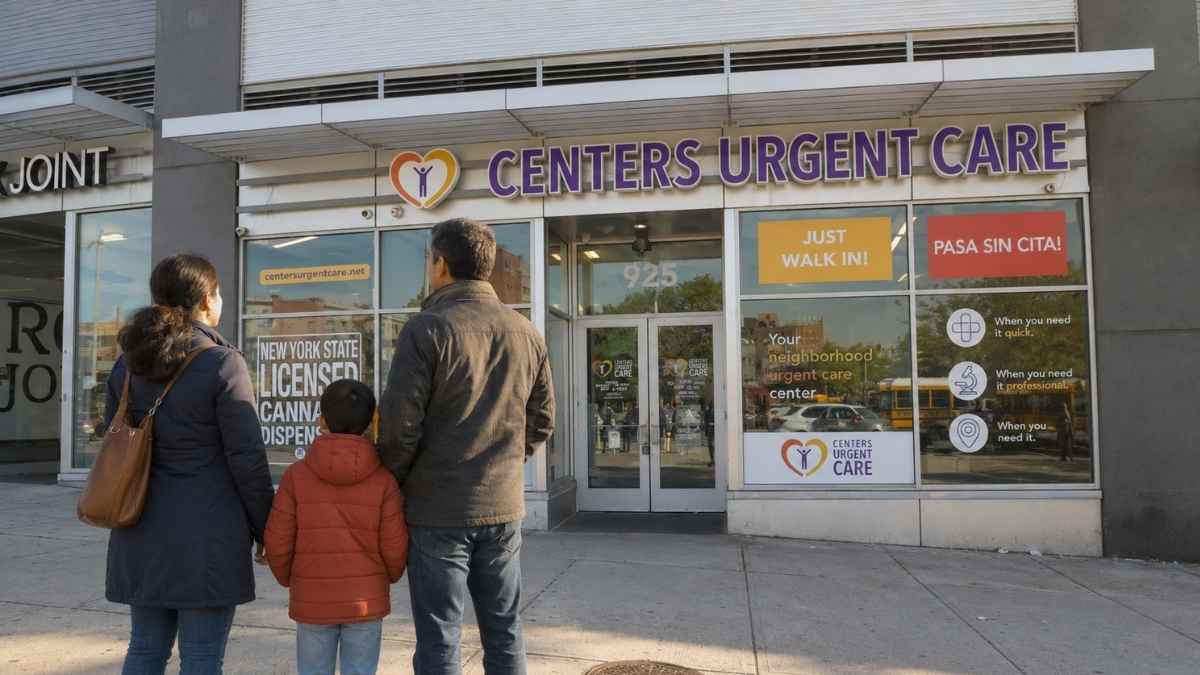
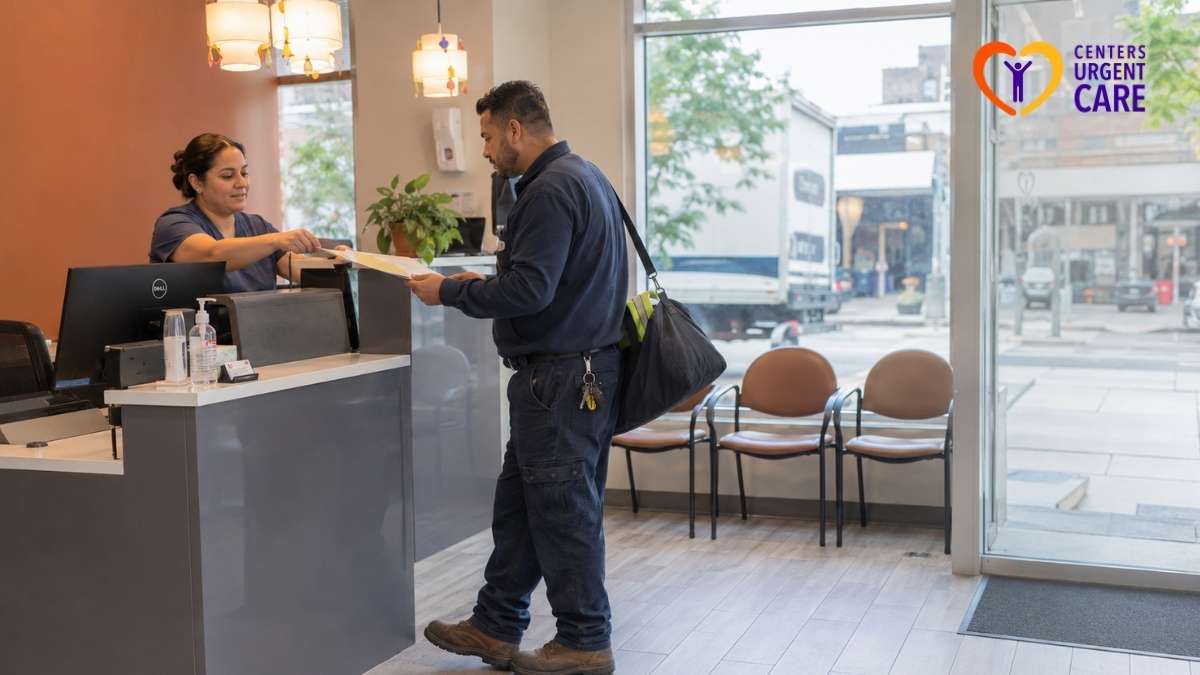
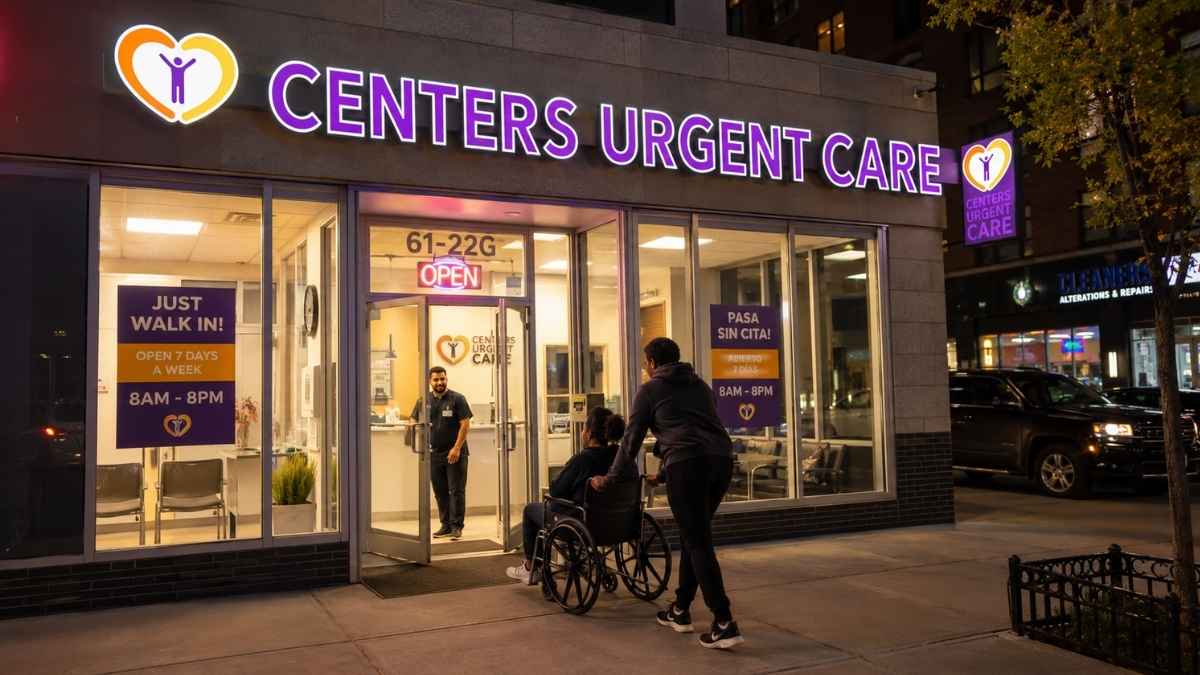




WALK IN.

GET SEEN.

GO HOME.

Find Nearest Location

This field is hidden when viewing the form

Find Nearest Location

WALK INS ARE ALWAYS WELCOME

OR FOR  OUR CONVENIENCE

Who do we care for?

We care for YOU!

No matter your age, Centers covers your need, whether pediatric, geriatric, or anywhere in between.

Centers Urgent Care accepts all major insurances.

WALK IN.

GET SEEN.

GO HOME.

📍 Find Nearest Location

Find Nearest Location

This field is hidden when viewing the form

Find Nearest Location

WALK INS ARE ALWAYS WELCOME

OR FOR  OUR CONVENIENCE

HOW WE TREAT

When you need
it Quick.

When you need
it Professional.

When you need
it Local.

FLU/RAPID & PCR COVID TESTING
COVID ANTIBODY TESTING
FLU/COVID VACCINES

SERVICES

Flu Shots & Vaccinations

Trauma Care

X -Ray

STD Testing

Lab Work

Pediatric

IV Infusions

Women’s Health

Occupational / Employer Services

Physicals

BLOG ARTICLES

Wellness Tips from Josef Schenker, MD: Treating Sports Injuries

Treating Sports Injuries

Welcome to our Wellness Tips blog series, brought to you by Dr. Josef Schenker, Medical Director at Centers Urgent Care. With a wealth of experience in internal medicine and emergency care, Dr. Schenker shares practical insights to support your journey to better health.

This series covers a range of essential health topics, providing expert guidance on preventing and managing common conditions. Each blog post is designed to give you the tools and knowledge you need to make confident, informed decisions about your health and wellness.

Treating Sports Injuries

Sports injuries are more common than you might think. In the United States alone, an estimated 3.5 million injuries occur annually among children and teens participating in sports or recreational activities. Adults aren’t exempt either; fitness enthusiasts, weekend warriors, and even casual players are at risk. While athletes are the most obvious candidates, active individuals of all ages can experience sports-related injuries.

The severity of sports injuries can range from mild strains that heal on their own to serious conditions requiring medical intervention. Regardless of the type, proper treatment is essential for effective recovery and long-term health. To help, Dr. Josef Schenker shares his insights on recognizing, treating, and preventing sports injuries.

Treating Sports Injuries

Dr. Josef Schenker Explains The Most Common Sports Injuries

Sports injuries come in all shapes and sizes. Some injuries are specific to certain sports while others, like strains or sprains, can happen across activities. Dr. Josef Schenker points out that understanding the most common types can help in identifying and addressing them promptly.

1. Sprains

A sprain occurs when ligaments—tissues connecting bones—are stretched or torn. Common in sports like basketball, soccer, and football, sprains often affect the ankles, knees, and wrists.

2. Strains

Strains involve overstretched or torn muscles or tendons, commonly seen in sports requiring explosive movements like sprinting, gymnastics, or weightlifting. Hamstrings and lower backs are frequent victims.

3. Knee Injuries

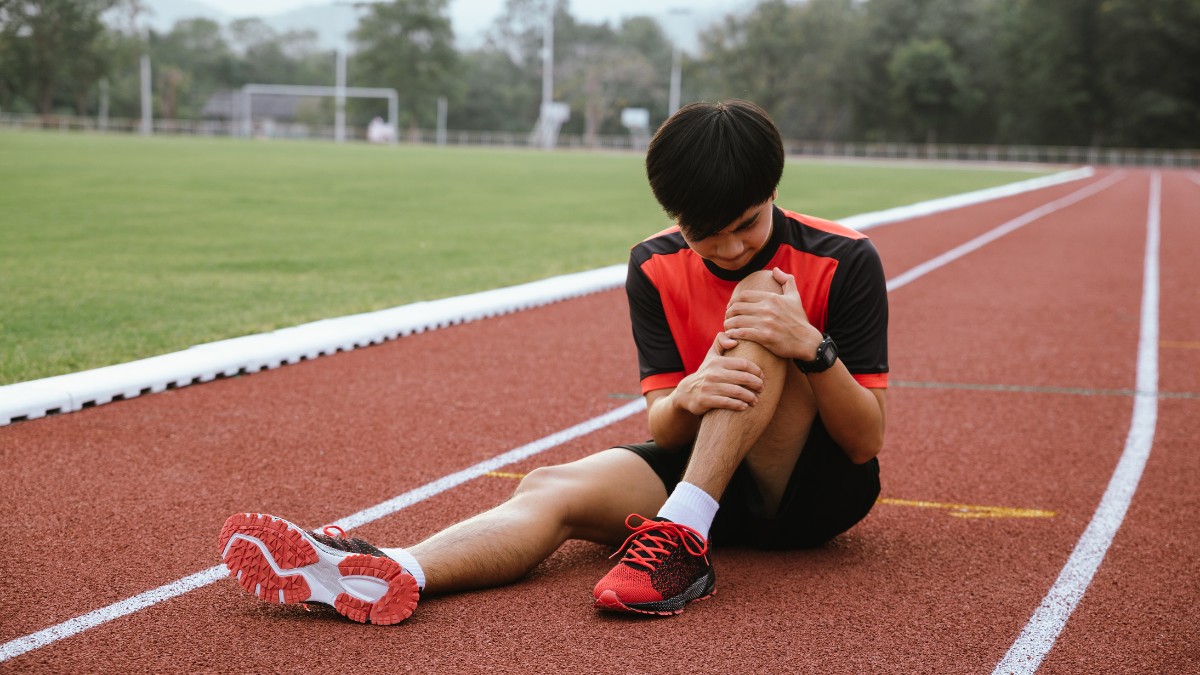
From patellar tendinitis (jumper’s knee) to ACL tears, knee injuries are prevalent in activities like soccer, skiing, and basketball due to sudden pivots and jumps.

4. Fractures

Broken bones often result from high-impact sports such as football, hockey, or skateboarding. Wrists, arms, and collarbones are the most common sites.

5. Dislocations

When bones are forced out of their normal position, it’s called a dislocation. Contact sports like rugby or wrestling frequently see shoulder dislocations.

6. Concussions

Head injuries caused by impact, such as collisions in football or falls in cycling, can lead to concussions. They require immediate attention.

7. Shin Splints

A common overuse injury, shin splints cause pain along the shinbone, often seen in runners or those increasing their training intensity too quickly.

8. Tennis or Golfer’s Elbow

Repetitive wrist and arm motions can lead to elbow pain and inflammation, particularly in racquet sports or golf.

Which Body Parts are Most Likely to Be Injured?

According to Josef Schenker, MD, certain body parts are more vulnerable to sports injuries due to their role in movement and impact absorption.

  • Ankles: Prone to sprains during sports involving running or jumping.
  • Knees: Frequently injured in high-impact or pivot-heavy activities.
  • Wrists: Commonly fractured or sprained in falls.
  • Shoulders: Vulnerable to dislocations and strains, especially in throwing or contact sports.
  • Head: At risk for concussions from collisions or falls.
  • Lower Back: Strains occur in sports requiring twisting or lifting.
Treating Sports Injuries

Josef Schenker, MD, Explains How Sports Injuries are Treated

Treatment for sports injuries varies widely depending on the type and severity. Dr. Josef Schenker says that some injuries respond well to simple first aid while others require professional intervention.

Here are the most common treatment options:

  • RICE Method
    The RICE method—Rest, Ice, Compression, and Elevation—is a go-to first-aid approach for minor injuries like sprains or strains. Resting helps prevent further strain on the injured area, while ice reduces swelling and numbs pain. Compression, such as using an elastic bandage, helps control inflammation, and elevating the injured limb above heart level minimizes fluid buildup. It’s simple but highly effective in the early stages of recovery.
  • Immobilization
    Injuries like fractures or severe sprains often need immobilization to allow proper healing. This involves using splints, casts, or braces to keep the injured area stable and prevent further damage. By restricting movement, immobilization gives bones and ligaments the necessary time to heal while protecting against additional strain.
  • Physical Therapy
    After an injury heals, physical therapy helps you regain strength, mobility, and flexibility. A therapist designs a plan tailored to your needs, using exercises and techniques to gradually restore functionality. It’s an essential step in recovering from injuries like muscle tears or joint dislocations, ensuring you can return to your favorite activities safely.
  • Pain Management
    Pain from sports injuries can interfere with daily life, but relief is often within reach. Over-the-counter medications like ibuprofen or acetaminophen can reduce pain and inflammation. For more severe discomfort, a doctor may prescribe stronger treatments. Addressing pain helps you stay comfortable and focus on recovery.
  • Surgery
    Some injuries, such as ACL tears or compound fractures, require surgical intervention to repair damaged tissues or realign bones. While surgery may sound daunting, it’s sometimes the best way to restore full function and prevent long-term complications. Dr. Josef Schenker reassures that your doctor will guide you through the process, ensuring you understand what to expect.
  • Urgent Care

Not every sports injury needs the ER, but many require prompt attention. Urgent care centers are a convenient option for moderate injuries like dislocations, suspected fractures, or deep cuts. They offer quick evaluations and treatment, saving you time and ensuring you get the care you need without delay.

How to Prevent Sports Injuries

While injuries are sometimes unavoidable, many can be prevented with proper preparation and habits. Dr. Josef Schenker advises those engaging in sports activities to observe the following:

  • Warm-Up and Stretch: Prepare your body with dynamic stretches to improve flexibility and reduce strain.
  • Use Proper Technique: Learn and maintain the correct form to avoid undue stress on joints and muscles.
  • Wear Protective Gear: Helmets, pads, and braces are essential in contact or high-impact sports.
  • Strengthen Muscles: Conditioning exercises improve muscle stability and reduce injury risk.
  • Stay Hydrated: Dehydration can impair performance and increase the chance of cramps or fatigue-related injuries.
  • Rest and Recover: Overtraining leads to overuse injuries—ensure adequate rest days.

Josef Schenker, MD, Answers Frequently Asked Questions:

Can you walk off a sprained ankle?

No, walking on a sprained ankle can aggravate the injury and delay healing. Rest is essential to protect the ligaments from further damage. Apply the RICE method—Rest, Ice, Compression, Elevation—and seek medical attention if pain, swelling, or instability continues beyond a few days.

How can I tell if I have a concussion?

Concussion symptoms often include headache, dizziness, nausea, confusion, or sensitivity to light and noise. They typically follow a blow to the head or a fall during sports. If you notice these signs, seek medical evaluation promptly to prevent complications.

When should I see a doctor for a sports injury?

See a doctor if you experience severe pain, persistent swelling, difficulty moving the injured area, or symptoms like numbness or joint instability. Immediate medical attention is crucial for serious injuries such as fractures, dislocations, or suspected concussions to ensure proper treatment and prevent complications.

Treating Sports Injuries

Heal Injuries Right and Get Back in the Game

Sports injuries don’t have to sideline you permanently, but getting the right care is crucial for a full recovery. Whether it’s a minor sprain or something more serious, addressing the issue promptly can prevent long-term complications and ensure you’re back to doing what you love.

Centers Urgent Care offers expert evaluation and treatment for a wide range of sports injuries. With convenient locations across New York and experienced professionals led by Dr. Josef Schenker, we’re here to help you heal quickly and safely. Don’t let an injury keep you out of the game—visit Centers Urgent Care today and take the first step toward recovery!

Josef Schenker

About Josef Schenker, MD:

Dr. Josef Schenker, a board-certified expert in internal medicine and emergency medical services, brings extensive experience and compassion to his role as Medical Director and Partner at Centers Urgent Care. With leadership in SeniorCare Emergency Medical Services and as an Attending Physician at New York-Presbyterian Brooklyn Methodist Hospital, Dr. Schenker oversees critical care and treatment protocols across varied medical needs. His dedication extends to chairing NYC REMAC, ensuring adherence to state standards in emergency medical procedures. At Centers Urgent Care, Dr. Schenker's expertise ensures prompt, high-quality emergency care for patients of all ages, supported by state-of-the-art facilities including a dedicated pediatric suite.

1 thought on “Wellness Tips from Josef Schenker, MD: Treating Sports Injuries”

  1. I’m delighted to share how I successfully overcame the Herpes virus using natural medication {HERBS}. Through a native local medicine prepared by Doctor Awase, I managed to suppress the virus and improve my overall well-being at the first week. Two weeks into taking the medication, I became fine totally and no more single outbreak/symptoms. Today, I’m living a fulfilling and Herpes-free life.![cured] Confirmed by my Doctor after going for a medical checkup. I am herpes free. Demonstrating that natural approaches can offer effective solutions for health challenges such as herpes. He also cures HPV, PCOS, Fibroid, Endometriosis and lots more. See how to reach out below.
    WhatsApp +2349074997110 
    Email:- dr.awaseherbalhome@gmail. com

Leave a Comment

Your email address will not be published. Required fields are marked *

Scroll to Top