
Wellness Tips from Josef Schenker, MD
Welcome to our Wellness Tips blog series! At Centers Urgent Care, we’re committed to helping you feel your best. Dr. Josef Schenker, our Medical Director, shares actionable advice rooted in years of medical expertise. From small lifestyle tweaks to proactive strategies, this series is your guide to better well-being.
How to Treat Pneumonia
Pneumonia is a serious health condition that affects millions of people every year. It is one of the leading causes of hospitalization, especially among vulnerable populations like the elderly and young children. In the U.S., more than 1 million people are hospitalized and more than 50,000 deaths are recorded each year due to pneumonia.
Josef Schenker, MD provides expert guidance on recognizing the symptoms of pneumonia, understanding the different types, and exploring effective treatment options to help you recover fully.
Dr. Josef Schenker Explains the Symptoms of Pneumonia
Pneumonia can present with a variety of symptoms, each indicating different aspects of the infection. Josef Schenker, MD highlights the primary symptoms of pneumonia:
- Cough: One of the most common symptoms of pneumonia is a persistent cough. This cough is often accompanied by mucus that may be green, yellow, or even blood-streaked. The coughing can be severe and disruptive, making it difficult to rest or sleep.
- Fever and Chills: Pneumonia frequently causes a high fever, which can be accompanied by chills and sweating. The fever is a response by the body to fight the infection, and it can leave you feeling weak and exhausted. You might find yourself bundled up in blankets one minute and throwing them off the next, as your body struggles to regulate its temperature.
- Shortness of Breath: Difficulty breathing is a hallmark of pneumonia. Patients might find themselves short of breath even with minimal exertion. This happens because the lungs are inflamed and filled with fluid, impairing their ability to absorb oxygen.
- Chest Pain: Pneumonia can cause sharp or stabbing chest pain that worsens with deep breaths or coughing. This pain is due to inflammation of the pleura, the lining around the lungs. It can feel like a constant, nagging ache in your chest, making every breath a painful reminder of the infection.
- Fatigue and Weakness: Feeling unusually tired and weak is common with pneumonia. The body’s energy is redirected towards fighting the infection, leaving you feeling drained. This overwhelming fatigue can make it hard to keep up with daily activities and responsibilities.

How Do You Get Pneumonia?
According to Josef Schenker, MD understanding how pneumonia spreads is crucial for prevention and proper management. There are several primary ways that pneumonia can develop.
- Bacterial Infections
Bacteria, such as Streptococcus pneumoniae, are one of the most common causes of pneumonia. These bacteria can enter the lungs through inhalation of airborne droplets from a cough or sneeze of an infected person. Picture being around someone who’s coughing and sneezing without covering their mouth—those tiny droplets can carry bacteria right into your lungs, causing infection.
- Viral Infections
Viruses like the flu virus and the respiratory syncytial virus (RSV) can lead to pneumonia. Viral pneumonia often follows a respiratory infection and can be more common in children and the elderly. Imagine catching a bad case of the flu and then, just when you think you’re getting better, developing a deeper lung infection that makes breathing even more difficult.
- Fungal Infections
Fungal pneumonia is less common but can occur, particularly in people with weakened immune systems or those with certain environmental exposures. Fungi can be inhaled from soil or contaminated environments. Think about digging in your garden or being in a damp, moldy place—those spores can be inhaled and settle in your lungs, especially if your immune system is not at its best.
- Aspiration
This occurs when food, drink, or vomit is inhaled into the lungs instead of being swallowed properly. Aspiration pneumonia can happen if you have difficulty swallowing or are unconscious. Imagine accidentally inhaling some food while eating too quickly or if you have a condition that makes swallowing difficult—those particles can end up in your lungs, causing infection.
- Healthcare-associated Pneumonia
This type of pneumonia is acquired in medical settings, such as hospitals or nursing homes. It can be more resistant to antibiotics and can occur in people with compromised immune systems. If your immune system is weakened, the risk of catching a tougher, more resistant strain of pneumonia increases significantly.
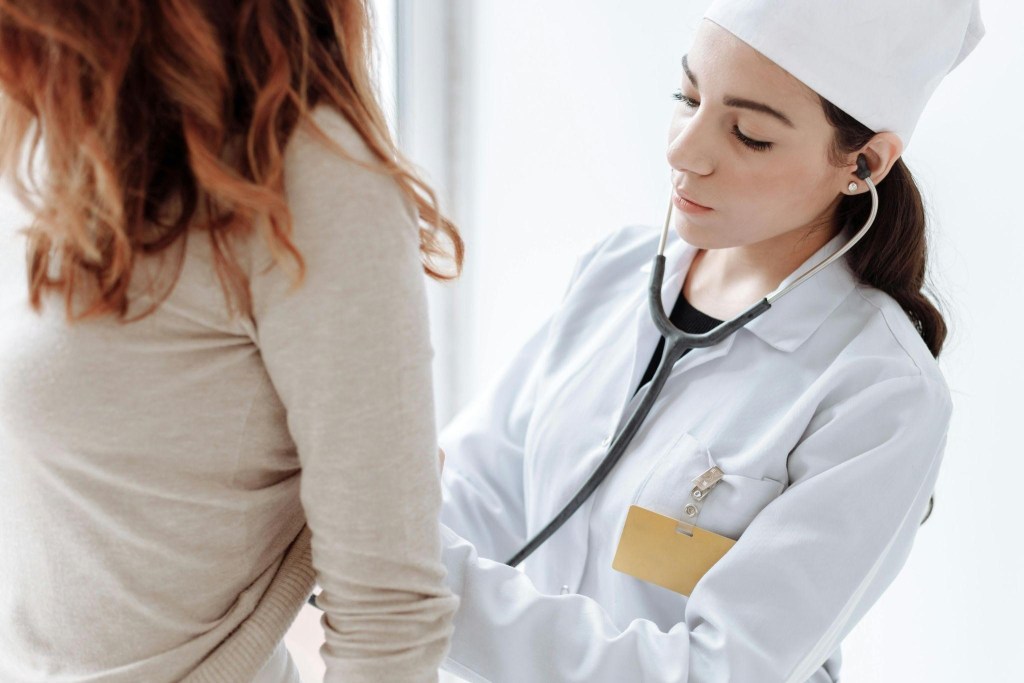
Josef Schenker, MD, Explains Pneumonia Treatment and Management
Effective treatment and management of pneumonia are essential for recovery and to prevent complications. Josef Schenker outlines the treatment approaches, management strategies, and preventive measures to help patients recover and improve their lung health.
- Antibiotics: For bacterial pneumonia, antibiotics are the primary treatment. The choice of antibiotic depends on the type of bacteria causing the infection. It’s important to complete the full course of antibiotics even if you start to feel better.
- Antiviral Medications: If pneumonia is caused by a virus, antiviral medications might be prescribed, especially if the infection is diagnosed early. These medications can help reduce the severity and duration of the illness.
- Antifungal Medications: For fungal pneumonia, antifungal drugs are required. These medications target the specific fungi responsible for the infection and can be taken orally or administered intravenously.
- Supportive Care: Managing symptoms is crucial for recovery. This includes rest, hydration, and over-the-counter medications for fever and pain. A humidifier or steam inhalation can help ease breathing difficulties.
- Hospitalization: In severe cases, hospitalization may be necessary. This allows for intensive monitoring and treatments such as intravenous antibiotics, oxygen therapy, and even mechanical ventilation if breathing is severely compromised.
- Follow-Up Care: After initial treatment, follow-up care is important to ensure recovery. This may involve additional tests or imaging to confirm that the infection has cleared and to monitor for any potential complications.
Josef Schenker, MD, Answers Frequently Asked Questions:
Yes, pneumonia can be contagious. The germs that cause pneumonia, like bacteria and viruses, can spread from person to person through airborne droplets when an infected person coughs or sneezes.
Yes, pneumonia is curable. With timely and appropriate treatment, including antibiotics for bacterial infections, most people recover fully. However, the severity of the illness and overall health can affect the recovery time and treatment effectiveness.
You’ll know your pneumonia is getting better if you experience reduced fever, less coughing, improved breathing, and increased energy. Regular follow-up with your healthcare provider can confirm recovery through physical exams and possibly additional tests.
Pneumonia can be prevented by getting vaccinated against flu and pneumococcal bacteria, practicing good hand hygiene, avoiding smoking, and maintaining a healthy lifestyle. Regular medical check-ups and prompt treatment of respiratory infections also help reduce the risk.
Yes, urgent care can treat mild to moderate cases of pneumonia, providing necessary medications and supportive care. For severe cases or complications, a hospital visit may be required for more intensive treatment and monitoring.

Pneumonia Symptoms? Get Expert Care Now
Pneumonia can be a serious condition, but with the right knowledge and treatment, recovery is possible. Early intervention can make all the difference in a swift and successful recovery. While home care can support recovery, it’s crucial to seek professional evaluation and treatment.
If you or someone you know is experiencing symptoms of pneumonia, visit any of the Centers Urgent Care across New York. Led by Josef Schenker, MD, our experienced team of healthcare professionals can provide accurate diagnoses and appropriate treatment plans. We will give personalized advice and monitor your progress closely to ensure your full recovery.
Understand and overcome pneumonia with healthcare you can trust. Consult us today!

About Josef Schenker, MD:
Dr. Josef Schenker, a board-certified expert in internal medicine and emergency medical services, brings extensive experience and compassion to his role as Medical Director and Partner at Centers Urgent Care. With leadership in SeniorCare Emergency Medical Services and as an Attending Physician at New York-Presbyterian Brooklyn Methodist Hospital, Dr. Schenker oversees critical care and treatment protocols across varied medical needs. His dedication extends to chairing NYC REMAC, ensuring adherence to state standards in emergency medical procedures. At Centers Urgent Care, Dr. Schenker's expertise ensures prompt, high-quality emergency care for patients of all ages, supported by state-of-the-art facilities including a dedicated pediatric suite.
2025 has changed my life. I never believed I would be cured by a spell caster who specializes in herbal cure and magical spells. I am talking about the help Doctor Odunga gave to me. I have been cured of herpes HPV which has plagued me for over 2 years. I am very happy to tell others that if you want to be cured or get your ex back spells and get pregnant naturally, even financial blessing through lottery, there is only one place to be and that is with Dr Odunga Spell Temple. Am so happy that just 3 days after taking DR ODUNGA Herbal treatments my herpes was cured permanently. DR ODUNGA also have cure to #HIV #Diabetes #Lupus #Tinnitus #Fibroid #Cancer #Hepatitis B, #Syphilis #Infertility etc … If you have this ailment or whatsoever you might be suffering from you should contact him at his EMAIL: odungaspelltemple@gmail.com OR VIA Whats App +2348167159012