








Wellness Tips from Josef Schenker, MD
Welcome to our Wellness Tips blog, where Dr. Josef Schenker, Medical Director at Centers Urgent Care, shares his expertise in internal medicine and emergency medical care. With years of hands-on experience, Dr. Schenker is here to help you stay informed about common health concerns and how to prevent them.
This series covers a wide range of essential health topics, from everyday injuries to more serious conditions. Dr. Schenker’s practical advice aims to equip you with the knowledge to take charge of your well-being.
Treating Animal Bites
Animal bites are more common than you might think. In the United States alone, around 4.5 million people suffer dog bites each year. Cats, rodents, and even wild animals also contribute to bite-related injuries. While some bites are minor and easily treatable at home, others can lead to serious infections or diseases like rabies. Dr. Josef Schenker emphasizes that understanding how to assess and manage an animal bite is crucial for preventing complications and ensuring proper healing.
Dr. Josef Schenker Explains the Types of Animal Bites
Not all animal bites are the same. According to Josef Schenker, MD, the type of animal that bites you can determine the risk of infection, the severity of injury, and whether you need immediate medical attention. For example, some animals are more likely to carry rabies, making their bites particularly dangerous.
Here are some of the most common types of animal bites and their potential risks:
- Dog Bites – Dog bites are the most common animal-related injuries in the U.S. While many are minor, deep wounds can cause infections due to bacteria like Pasteurella, Staphylococcus, and Streptococcus. Rabies risk varies based on the dog’s vaccination history and geographic location.
- Cat Bites – Although less common than dog bites, cat bites pose a higher risk of infection due to their sharp teeth, which puncture deeply and trap bacteria under the skin. Pasteurella multocida is a common bacterium found in cat bites that can cause severe infections.
- Rodent Bites – Bites from rats, mice, and other rodents can transmit diseases like rat-bite fever or hantavirus. Rabies is rare in small rodents, but any deep wound should still be cleaned and monitored for signs of infection.
- Wild Animal Bites – Bites from raccoons, bats, skunks, foxes, and other wild animals are considered high risk for rabies. Immediate medical attention is necessary if bitten by any wild animal.
- Livestock and Exotic Animal Bites – Horses, cows, and exotic pets like monkeys or reptiles can also bite, causing deep tissue damage and infection. Some exotic animals may transmit rare zoonotic diseases.
Types of Wounds from Animal Bites
Dr. Josef Schenker further adds that the severity of an animal bite also depends on the type of wound it creates. Some bites cause only surface-level scratches, while others may penetrate deep into tissues, increasing the risk of infection.
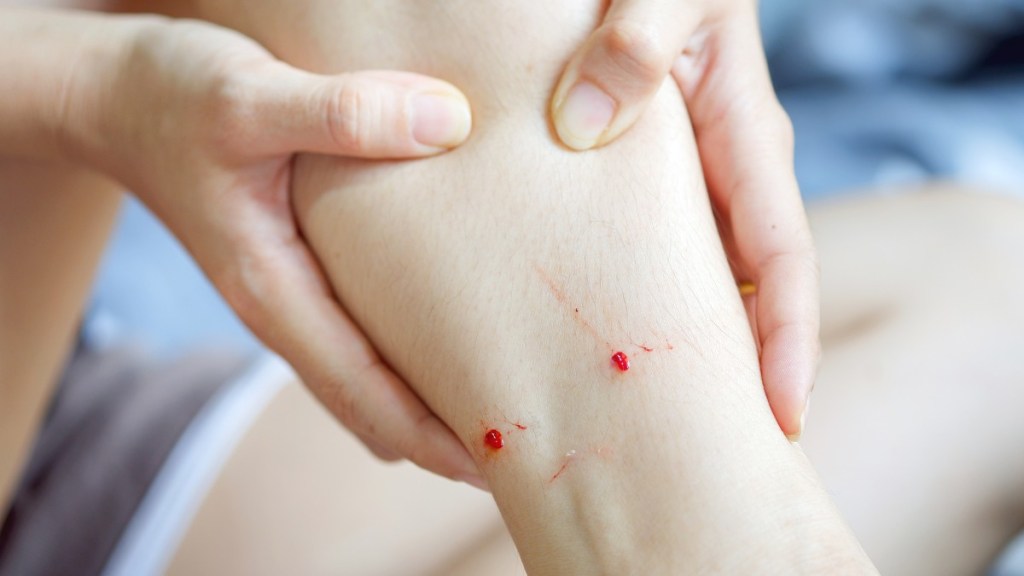
- Puncture Wounds – These occur when an animal’s teeth penetrate deeply into the skin. They are common in cat bites and carry a high risk of infection due to trapped bacteria.
- Lacerations – Deep cuts or tears in the skin caused by an animal’s bite force. These wounds may require stitches and carry a risk of nerve or muscle damage.
- Crush Injuries – Large animals or strong-jawed dogs can cause crush injuries, damaging muscles, bones, and nerves. These injuries often require extensive medical intervention.
- Abrasions & Scratches – Superficial wounds caused by an animal’s claws or minor bites. While less severe, they can still introduce bacteria and require proper cleaning.
Josef Schenker, MD, Explains How to Treat Animal Bites
Treating an animal bite depends on several factors, including the severity of the wound and the risk of infection. Minor bites can often be managed at home, but more serious injuries require urgent medical care. Dr. Josef Schenker outlines the appropriate first aid steps and when to seek professional treatment.
First Aid for Animal Bites
- Wash the Wound Immediately – Use soap and warm water to clean the bite thoroughly. This helps remove bacteria and lowers the risk of infection.
- Apply Pressure to Stop Bleeding – If the wound is bleeding, use a clean cloth to apply gentle but firm pressure until it stops.
- Use an Antiseptic – Apply an antibiotic ointment to reduce the chance of infection before covering the wound with a sterile bandage.
- Elevate the Area – If possible, keep the injured area elevated to minimize swelling and promote healing.
- Monitor for Signs of Infection – Watch for redness, swelling, warmth, or pus, which could indicate an infection requiring medical attention.
Treatment for More Serious Bites
Josef Schenker, MD emphasizes that if the bite is severe, professional medical care is necessary. Here are some common treatments for serious animal bites:
- Wound Cleaning & Debridement – A healthcare provider may thoroughly clean and remove dead tissue to prevent infection.
- Stitches & Wound Closure – Deep lacerations may require stitches, though some puncture wounds are left open to drain and heal.
- Antibiotics – If an infection is suspected, a doctor may prescribe oral or intravenous antibiotics.
- Tetanus Shot – If the bite is deep and it’s been over five years since your last tetanus shot, you may need a booster.
- Rabies Post-Exposure Prophylaxis (PEP) – If bitten by a high-risk animal, a series of rabies shots may be necessary to prevent infection.
- Surgical Intervention – In severe cases, surgery may be required to repair deep tissue damage.
Josef Schenker, MD, Answers Frequently Asked Questions:
A bite is serious if it results in deep wounds, excessive bleeding that doesn’t stop with pressure, increasing pain, redness, swelling, or signs of infection such as pus or warmth. Additionally, bites from wild or unvaccinated animals are high risk.
Wash the wound thoroughly with soap and warm water for at least five minutes. Apply firm pressure with a clean cloth if bleeding. Use an antiseptic to disinfect, then cover with a sterile bandage. Watch for infection signs and seek medical care if needed.
No, but certain animals—especially wild ones like bats, raccoons, and foxes—have a higher risk of carrying rabies. While domestic pets pose a lower threat if properly vaccinated, any unprovoked bite should be taken seriously. It’s best to consult a doctor to assess the risk.
Fast & Effective Treatment for Animal Bites
No matter how small an animal bite seems, taking immediate action can prevent complications. Even minor wounds can lead to infections, so it’s always best to treat them seriously and seek medical advice when necessary.
At Centers Urgent Care, we provide comprehensive treatment for all types of animal bites, from basic wound care to advanced medical interventions. Our experienced team, led by Josef Schenker, MD, is dedicated to providing you with the highest quality care and ensuring your swift recovery. Let us help put your worries to rest. Visit any Centers Urgent Care across New York today for prompt and expert treatment!

About Josef Schenker, MD:
Dr. Josef Schenker, a board-certified expert in internal medicine and emergency medical services, brings extensive experience and compassion to his role as Medical Director and Partner at Centers Urgent Care. With leadership in SeniorCare Emergency Medical Services and as an Attending Physician at New York-Presbyterian Brooklyn Methodist Hospital, Dr. Schenker oversees critical care and treatment protocols across varied medical needs. His dedication extends to chairing NYC REMAC, ensuring adherence to state standards in emergency medical procedures. At Centers Urgent Care, Dr. Schenker's expertise ensures prompt, high-quality emergency care for patients of all ages, supported by state-of-the-art facilities including a dedicated pediatric suite.
I’m delighted to share how I successfully overcame the Herpes virus using natural medication {HERBS}. Through a native local medicine prepared by Doctor Awase, I managed to suppress the virus and improve my overall well-being at the first week. Two weeks into taking the medication, I became fine totally and no more single outbreak/symptoms. Today, I’m living a fulfilling and Herpes-free life.![cured] Confirmed by my Doctor after going for a medical checkup. I am herpes free. Demonstrating that natural approaches can offer effective solutions for health challenges such as herpes. He also cures HPV, PCOS, Endometriosis and lots more. See how to reach out below.
WhatsApp +2349074997110
Email:- dr.awaseherbalhome@gmail. com
FAST EFFECTIVE WAY TO GET CURED FROM HERPES VIRUS
Hello! I’m very excited to share what worked for me to everyone. I’m completely cured from my HSV1&2 with the use of natural medicine. I have used Oregano oil, Coconut oil, Acyclovir, Valacyclovir, Famciclovir and some other products/supplements and it hasn’t helped ever since I was diagnosed. I got outbreaks frequently and was completely devastated and I went online for a possible cure and how to get rid of Herpes. On a fateful day after taking my bath, I took my phone and was going through some research, I bumped into a testimonial of a Herbs doctor { Dr Awase } who cures diverse diseases/viruses with Herbal medication. I was hopeful but also doubted the claim. But after a while I thought “what do I have to lose?” so I decided to reach out. He prepared a cure using roots and herbs which I steadily took for 14days as prescribed by him. I am quite glad I decided to reach out because I am totally cured from Herpes after a medical checkup was done by my Dr. So I’ve decided to make a quick testimony for anyone out there who is probably suffering from an illness they can’t handle to reach out to Dr Awase. He specializes in curing lots of illnesses such as HIV, ENDOMETRIOSIS, PCOS, OVARIAN CYST, INFERTILITY, HEPATITIS A,B,C and lots more. I’m here to let you all know that you can also be cured just like me and you don’t have to live with any sort of illness for the rest of your life. To reach out, Contact him via WhatsApp below or Email
WhatsApp +2349074997110
Email:- dr.awaseherbalhome@gmail. com