





















Key Points:
- Workplace injury urgent care in NYC handles non-emergency work injuries like sprains, cuts, and strains with same-day medical visits, work notes, and documentation.
- Most injuries require reporting within 30 days and filing a C-3 form within 2 years.
- Follow-up care often includes light-duty restrictions and return-to-work clearance as healing progresses.
A work injury can throw a lot at you at once. One minute, you are doing your job. The next, you are dealing with pain, an employer report, and forms you may not recognize. Even a small injury can feel stressful when you are trying to figure out where to go first.
For most non-life-threatening injuries, workplace injury urgent care in NYC is a solid first step. Urgent care can usually handle the medical visit, document what happened, and give you a work note with the next steps.
From there, the process moves into follow-up care, occupational health services, job restrictions, and return-to-work paperwork. That is why it helps to know what to bring, what questions to ask, and what papers might come up after your visit.

When Workplace Injury Urgent Care in NYC Makes Sense
Urgent care works for minor work injuries that need same-day medical attention but aren’t emergencies. That includes:
- Cuts that may need stitches
- Sprains and strains
- Minor burns
- Possible minor fractures
- Back, shoulder, wrist, knee, or ankle pain after a work incident
Work injuries are still common. New York private industry employers reported 122,400 nonfatal workplace injuries and illnesses in 2024, with a rate of 1.9 cases per 100 full-time workers. That helps explain why many workers need prompt care, even when the injury does not call for a hospital visit
Some injuries need the emergency room or 911 instead of urgent care. Get emergency help right away for:
- Heavy bleeding that won’t stop
- Head injury with confusion or loss of consciousness
- Chest pain
- Trouble breathing
- Major crush injury
- Suspected amputation
- Severe eye injury
Once it is clear that urgent care is appropriate, the next step is to prepare for the visit.
What To Do Before You Walk In After A Job Injury
A few simple steps can make the visit easier and help protect your claim later.
First, tell your supervisor or employer as soon as you can. In New York, workers usually need to report the injury within 30 days. You should also file Form C-3 with the Workers’ Compensation Board as soon as possible. In most cases, that deadline is within 2 years.
Next, write down the key details while they are still fresh:
- Date and time
- Where it happened
- Body part injured
- What task were you doing
- Names of any witnesses
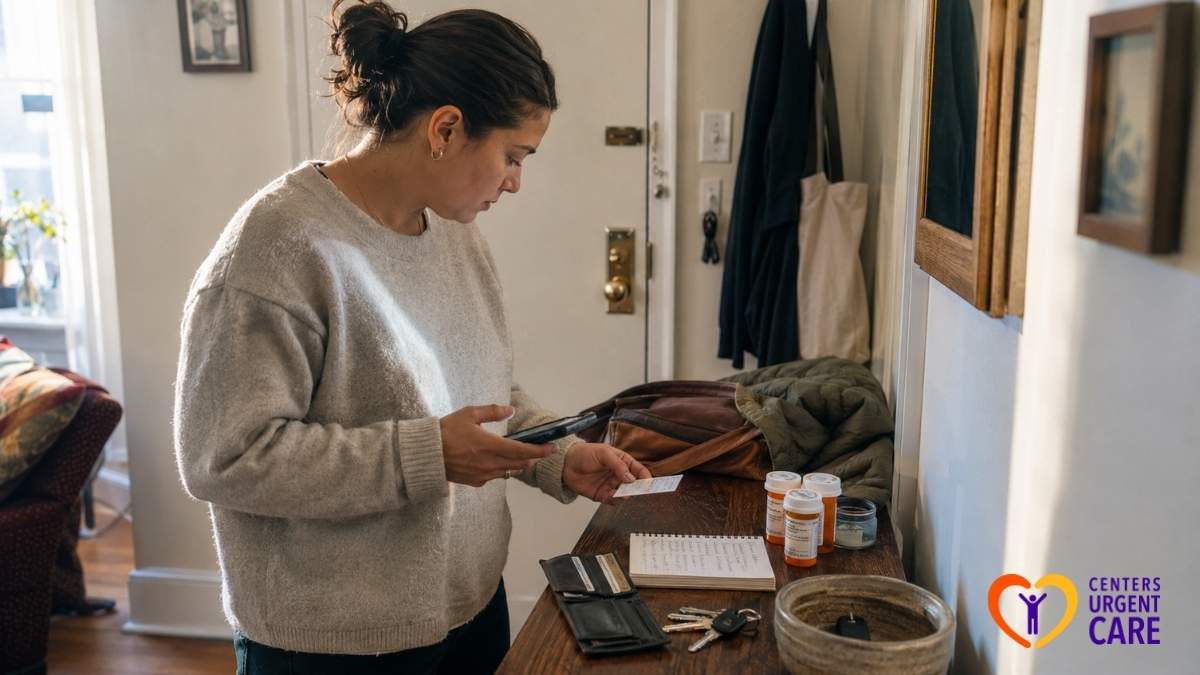
A few items are also helpful to bring with you:
- Photo ID
- Insurance card, if used
- Employer name and contact information
- Workers’ comp carrier details, if you have them
- Any incident form already started at work
- List of medications you take
At check-in, say clearly that the injury happened at work. That one detail can help the clinic document the visit the right way from the start.
What Happens During The First Visit
The first visit usually follows a simple, step-by-step flow. That can make the process feel less stressful, especially when you are already dealing with pain and paperwork.
A clinician will usually ask:
- How the injury happened
- What part of your body hurts
- When the pain started
- Whether the pain is getting worse
- Whether you can still move or use the injured area
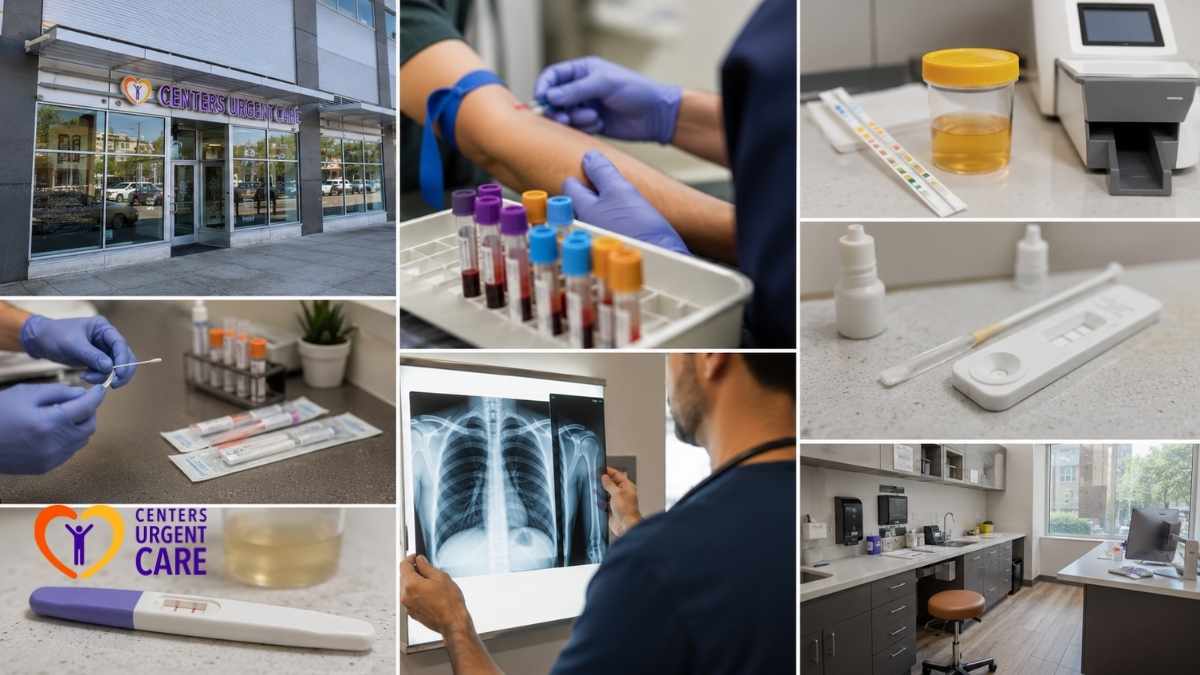
After that, the clinician will examine the injury. Some people may also need basic testing, such as:
- X-rays
- Range-of-motion checks
- A closer examination of a cut, burn, or swollen area
Treatment depends on what the exam shows. The visit may include:
- Cleaning and bandaging a wound
- Stitches
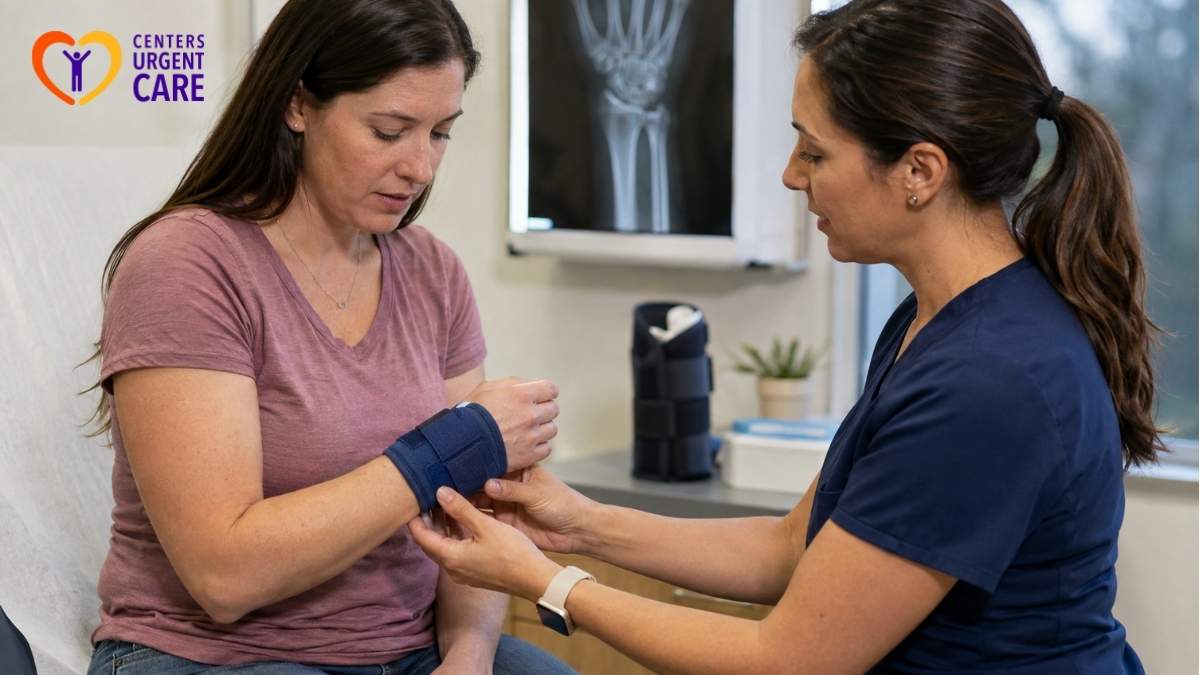
- A splint or brace
- Pain relief instructions
- A referral for a higher level of care if the injury looks more serious than it first seemed
Before you leave, you’ll get written instructions. These notes explain what to do next, when to follow up, and what activities to avoid.
Paperwork That Helps A Workplace Injury Urgent Care in NYC Visit Go More Smoothly
A few details can help the clinic write a clearer work note:
- Employer incident form, if there is one
- Claim number or insurer details, if you have them
- A short list of your job duties
- A simple note about which tasks hurt right now
The paperwork does not need to be perfect. It just helps the medical team understand how the injury connects to your job and what work may or may not be safe for now.

Work Notes, Restrictions, And Employer Forms
A lot of the confusion starts here. A work note, a restriction note, and a return-to-work form are related, but they are not always the same thing.
A work note usually answers three simple questions:
- Can you go back to work now?
- Do you need light duty or modified duty?
- When should you come back for a recheck?
Temporary restrictions give more detail. They explain what you should avoid while your body heals. Common examples include:
- No lifting over a certain weight
- No climbing
- No repeated use of one hand
- Seated duty only
- No driving company vehicles
Clear limits help everyone. The worker knows what is safe. The employer has a clearer idea of what job tasks may still be okay for now. Notes that are too general can slow the process because they leave too much unclear.
That is very common with strain-type injuries. In 2024, the Bureau of Labor Statistics recorded 568,150 days-away-from-work cases involving sprains, strains, and tears. That’s why lifting limits, repeat check-ups, and modified-duty notes are so common after work injury treatment at a walk-in clinic in Brooklyn and Queens or any other borough.
You may also hear form names during the process. In simple terms, here is what some common New York forms are for:
- C-3: the worker’s claim form
- C-2F: the employer’s report of a work-related injury or illness
- C-11: the employer’s report of a change in status or return to work
- C-4: the first doctor’s report
- C-4.2: a follow-up doctor’s report
Those names can look intimidating at first. Still, the goal is simple. The system is trying to track what happened, what care you received, whether you can work, and whether your work status changes later.
What Happens After The First Visit
The first visit is not always the last step. Work injury follow-up care becomes important when:
- Pain is not getting better after a few days
- Swelling is not going down
- Repeat imaging is needed
- A specialist referral is needed
- Work restrictions need to be updated as healing moves forward
Your follow-up notes can change as your body heals. A restriction that fit on day one may not fit two weeks later.
In New York, ongoing work injury care usually needs a Board-authorized provider, except in emergency situations. Waiting too long for follow-up can slow your recovery and delay the paperwork tied to wage benefits.
Medical reports also stay important if you cannot work. When time away from work goes on longer, updated reports are usually required at least every 90 days to help keep wage benefits active.
A few questions are smart to ask before you leave:
- When can I go back to work?
- What work tasks should I avoid?
- Do I need a follow-up visit?
- Who gets my medical note?
- What form should my employer send me?
Return-To-Work Forms And Light-Duty Clearance
The first work note is often only for the short term. A later return-to-work clearance usually comes after the injury starts to improve and the provider has a clearer picture of what you can safely do.
Going back to work does not always mean you are fully healed. Many workers return to light duty first. That choice often depends on your restrictions, not on whether every symptom is gone. Your employer may also file a change-of-status or return-to-work report when your work status changes.
That is the key difference to remember:
- The first note explains your current limits
- Later return-to-work paperwork shows what has changed
Understanding this step keeps you from feeling stuck. You can return to occupational health urgent care providers in New York for updates as your injury improves, and those updates help move your case forward.

FAQs About Workplace Injury Urgent Care In NYC
How long do you have to report a workplace injury in New York?
You must notify your employer within 30 days of the injury. You also need to file a C-3 claim form as soon as possible, typically within 2 years. Reporting quickly protects your claim and starts the workers’ compensation process.
Can you choose your own doctor after a work injury in New York?
Yes, but ongoing care usually requires a Board-authorized provider. Exceptions apply to emergency visits and, in some cases, to PPO or union agreements. Emergency treatment can happen anywhere, but follow-up generally needs Board approval to stay covered under workers’ compensation.
Does workers’ compensation pay for urgent care after an on-the-job injury?
Yes, workers’ compensation pays for medical care tied to your job injury. The insurer usually covers the bill unless the claim is denied. You should not pay out of pocket for on-the-job injury urgent care in NYC visits if the injury is work-related and the claim is approved.
Protect Your Recovery From Day One
A work injury visit is about more than getting checked. That first appointment can affect your work note, your activity limits, your follow-up care, and the forms you may need after the visit.
At Centers Urgent Care, we treat many non-life-threatening work injuries and help patients with medical notes, follow-up instructions, and occupational health support across New York. Our team can examine the injury, explain the next steps, and help with visit documents and return-to-work forms when needed.
Walk in, call, or book online. You don’t have to handle the confusion alone.