













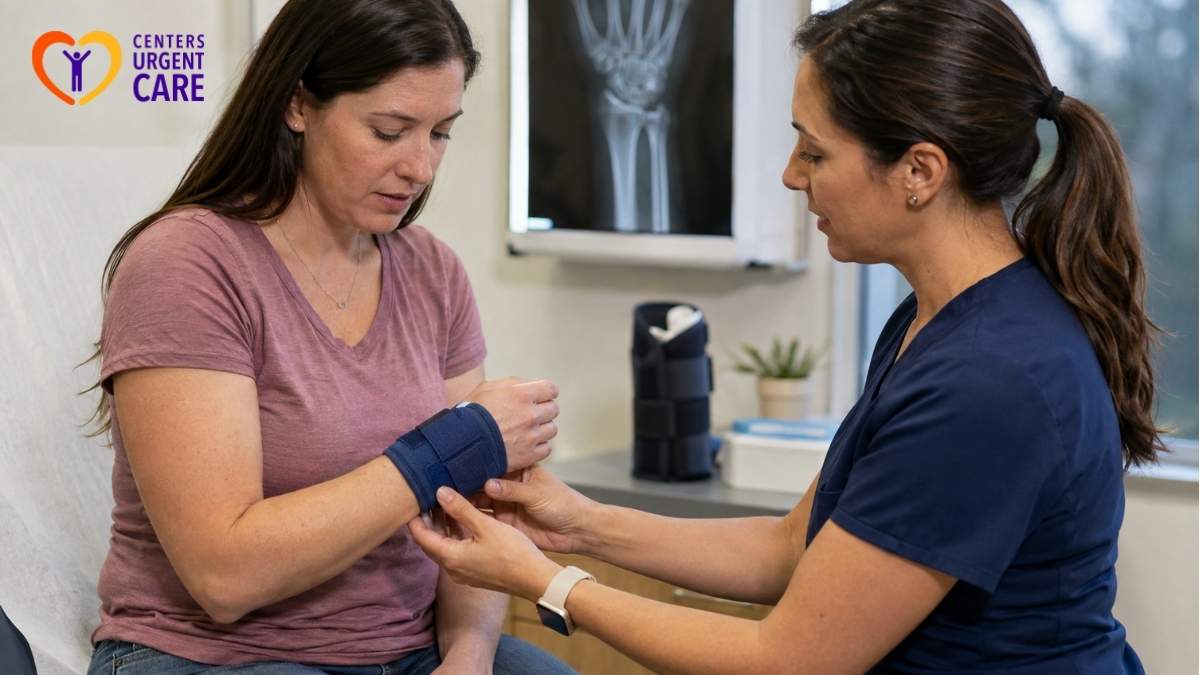







Many also require pre-placement bloodwork to assess underlying health conditions or confirm immunization status. For jobs involving commercial driving, a DOT physical is often mandatory, ensuring drivers meet federal health and safety standards. These tests are more than just checkboxes—they’re critical components of a responsible hiring process.
What is Bloodwork and Drug Testing for Employee Onboarding?
Bloodwork and drug testing for employee onboarding refers to a set of medical screenings that employers may require before a new hire starts work. These tests evaluate health risks, detect substance use, and ensure the employee is medically fit to perform their job duties.
Typically, this process includes:
- Drug screening for illicit or controlled substances.
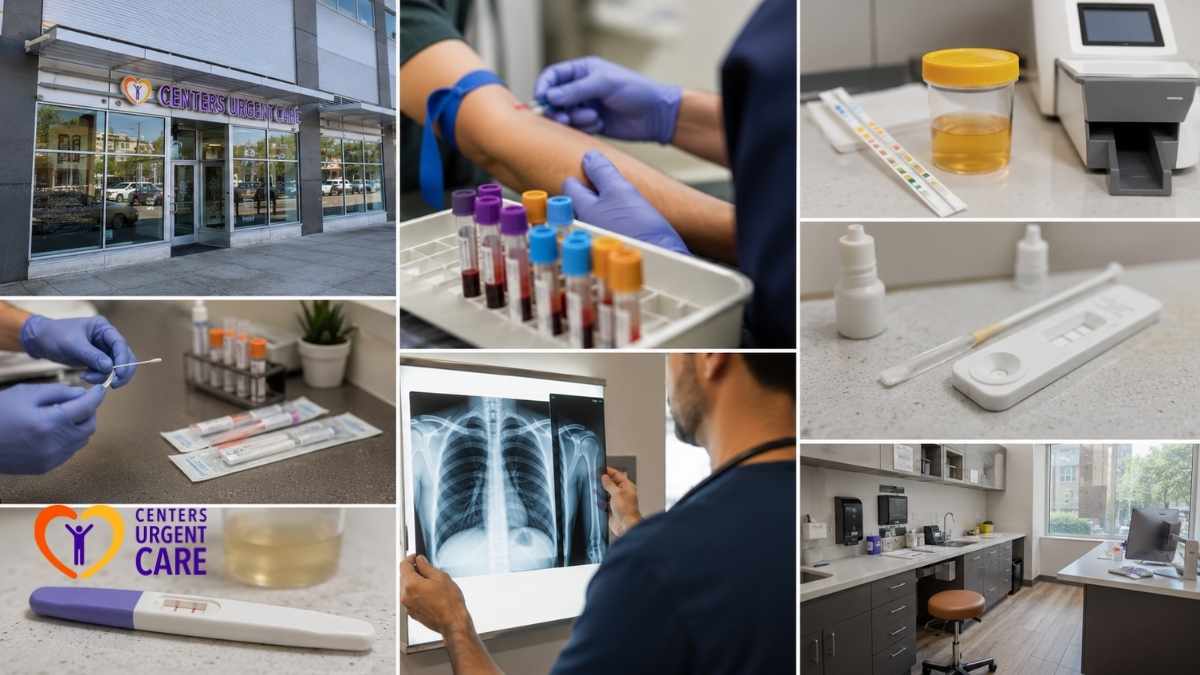
- Blood testing to assess overall health, infectious diseases, or immunity levels.
Testing is usually conducted after a conditional offer is made, and it’s part of the final hiring steps.
Why Do Employers Require These Tests?
Employers use onboarding medical testing to protect their workforce, reduce liability, and meet legal or regulatory requirements.
Common Reasons for Pre-Employment Testing
Before we list the components, it’s helpful to understand why employers implement these protocols:
- Safety-Sensitive Roles: Jobs involving machinery, driving, or medical care must ensure workers are not impaired.
- Legal Compliance: Industries like transportation (regulated by the DOT) and healthcare are often legally required to perform these screenings.
- Insurance and Liability: Employers want to lower their risk profile and verify new hires don’t pose medical risks to others.
- Baseline Health Records: Some companies use bloodwork to set a health baseline in case of future compensation claims.
What is Included in a Typical Employee Blood Test?
A standard onboarding blood panel checks for a range of medical indicators. It’s not invasive but can be comprehensive depending on the employer’s needs.
6 Common Components of Employee Bloodwork
Employers may require any of the following, depending on role sensitivity:

What Substances are Tested in a Drug Screen?
Most employers use a 5-panel or 10-panel drug screen. Testing can be done through urine, saliva, hair, or blood—urine being the most common.
Substances Typically Tested
Here are some substances employers often screen for:
- THC (Marijuana)
- Cocaine
- Opiates (Heroin, Morphine, Codeine)
- Amphetamines (including Methamphetamine)
- Phencyclidine (PCP)
A 10-panel test might also include:
- Benzodiazepines
- Barbiturates
- Methadone
- Propoxyphene
- Ecstasy (MDMA)
Some industries add alcohol testing, although this is less common for non-safety roles.
Is Employee Bloodwork Confidential?
Yes, pre-employment medical testing is governed by HIPAA and ADA regulations, meaning employers can only request health information that is directly relevant to job duties. For candidates, this means results are shared only with authorized parties, typically HR or occupational health personnel. Medical data must be stored securely and kept separate from personnel files. Informed consent is also required before any testing takes place. Importantly, a positive drug test or abnormal blood result does not automatically lead to disqualification, as employers often allow for medical explanations or the opportunity to retest.
How to Prepare for Bloodwork and Drug Testing for Employment
While you can’t “cheat” a legitimate drug test or blood panel, you can take steps to avoid being caught off-guard. Disclose all medications and supplements beforehand, as certain legal prescriptions may trigger a positive result. Avoid consuming poppy seeds, CBD oils, and decongestants, since these can interfere with test outcomes. It’s also important to stay hydrated and eat normally unless you’ve been instructed to fast. Be sure to bring a valid photo ID and any necessary medical paperwork to your appointment. Lastly, pay close attention to timing—most drug tests need to be completed within 24 to 72 hours of receiving instructions.
How Long Does It Take to Get Results?
Timing varies based on the tests performed and the urgency of the hiring process.
Expected Turnaround Times
- Urine drug tests: 1–3 business days.
- Blood tests: 1–5 business days, depending on panel complexity.
- Hair drug tests: Up to 7 days, but can detect use up to 90 days prior.
- Instant tests: Some employers use rapid screens with same-day results, though they may still require lab confirmation.
Are There Legal Restrictions on Employer Testing?
Yes, employers must comply with both federal and state laws when requiring bloodwork and drug testing for employee onboarding. Testing must be job-related and consistent with business necessity, and random or targeted testing is generally only allowed after employment has begun. Discrimination or selective testing is prohibited under Equal Employment Opportunity Commission (EEOC) guidelines. Additionally, some states have stricter privacy laws; for instance, in New York, employers must provide written notice of testing policies and ensure that tests are conducted by certified laboratories.
What Happens if You Fail a Drug or Blood Test?
Failing a test doesn’t always end the hiring process, but it does raise red flags that can impact the outcome. In some cases, especially for safety-sensitive positions, immediate disqualification may occur. However, there are situations where candidates have the opportunity to explain, such as when a prescription drug may have triggered the result.
Employers might also offer retesting or an evaluation by a Medical Review Officer (MRO). A failed test doesn’t automatically go on a permanent record unless the employer chooses to document it internally. Additionally, individuals have the right to request access to their test results and, in certain cases, may appeal the outcome or request a second test.

What to Expect with Bloodwork and Drug Testing for Employee Onboarding
The process is structured, legally regulated, and essential in certain industries. If you’re applying to a job that requires physical fitness, health awareness, or sobriety assurance, expect bloodwork and drug testing during employee onboarding. These screenings help companies build a safer, more productive workplace while protecting both employer and employee from preventable risks.
Need Fast, Reliable Testing? Visit Our Urgent Care in NYC
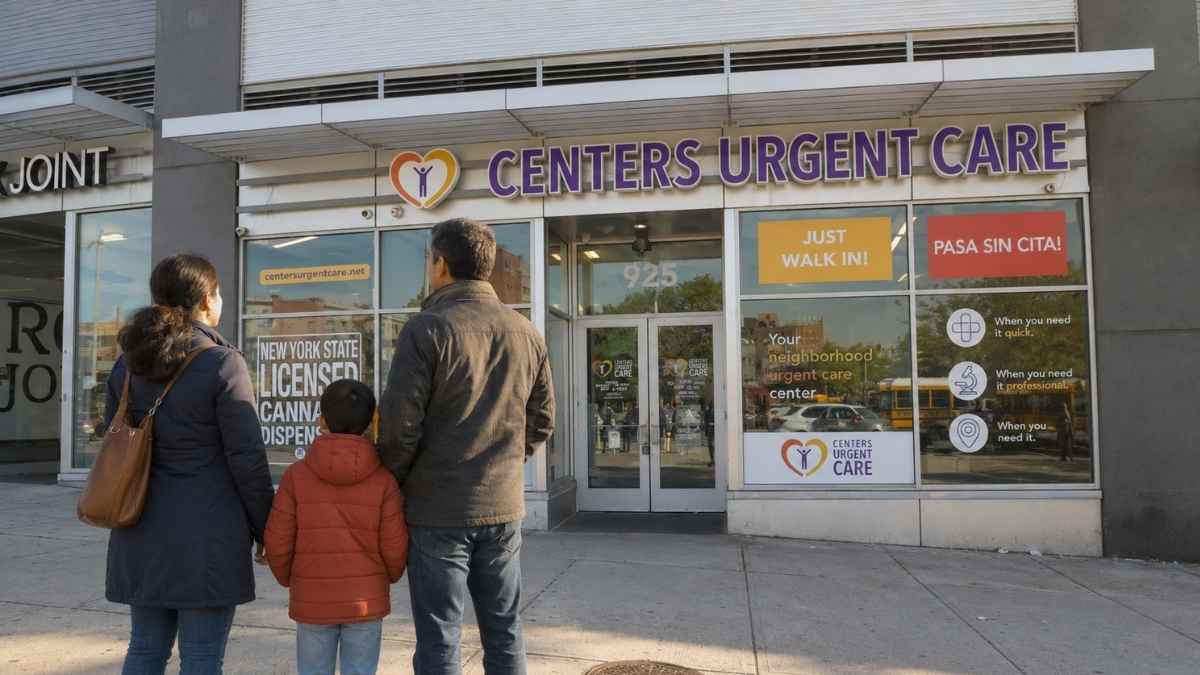
If you’re looking for efficient, professional bloodwork and drug testing for employee onboarding, Centers Urgent Care provides fast, high-quality services for both children and adults. With experienced staff and advanced facilities, we help employers streamline onboarding and ensure compliance with ease.
Visit us today for urgent care in NYC and see why businesses trust us to keep their teams healthy, safe, and ready to work. Contact us today to schedule your employee screenings.