




















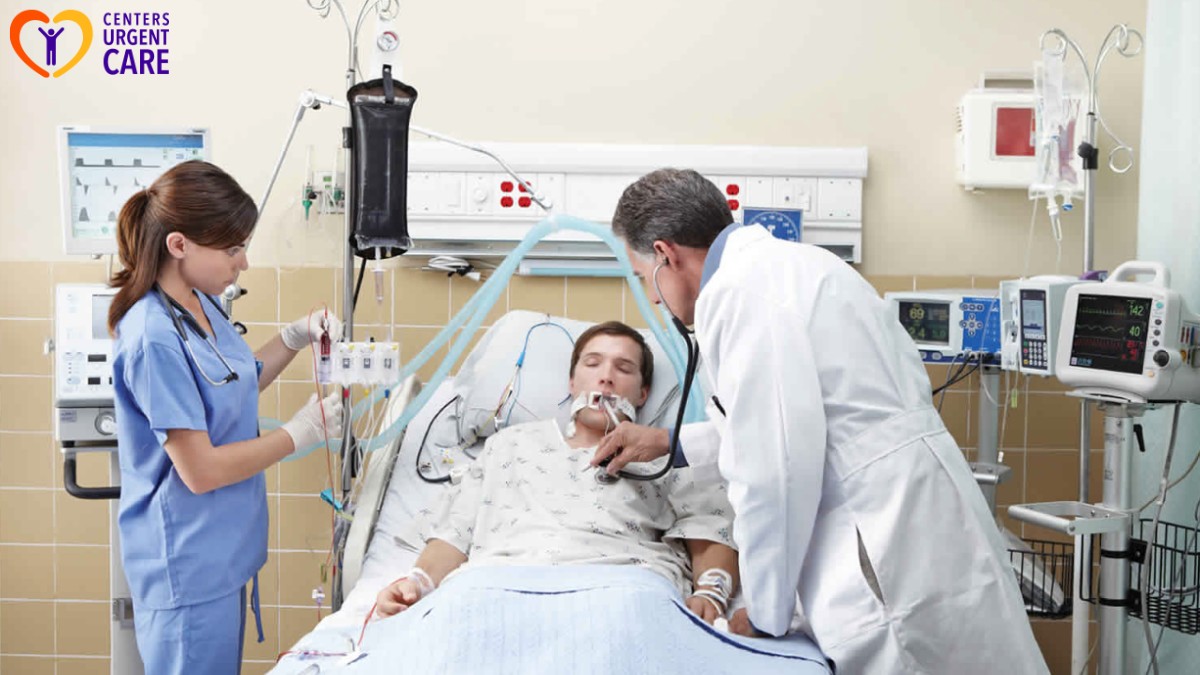
Shock is a critical condition that can severely impact trauma patients during emergencies. It occurs when the body’s circulatory system fails to deliver enough oxygen and nutrients to vital organs, leading to life-threatening complications. Common causes include severe bleeding, spinal injuries, and extreme infections. In some cases, underlying infections detected through STD testing can also contribute to systemic complications that may lead to shock if left untreated.
Trauma patients in shock may experience rapid heartbeat, low blood pressure, confusion, and cold, clammy skin. Immediate medical intervention is essential to stabilize the patient, as untreated shock can lead to organ failure and death. Emergency responders focus on controlling bleeding, administering fluids, and ensuring proper oxygenation to improve survival rates.
What is Shock, and How Does It Manifest in Trauma Survivors?
Shock, in the context of trauma, is a physiological and emotional reaction to an overwhelming event that exceeds the individual’s capacity to cope. It often occurs immediately after a traumatic incident and may lead to physical, mental, and emotional disruptions.
Types of Shock:
Shock can manifest in various forms, each impacting the body and mind differently. Below are three key types of shock, each with distinct causes and effects on an individual’s health.
- Physical Shock: This type of shock occurs when the body’s systems fail to function properly, usually due to injury, loss of blood, or infection. It can lead to a dangerous drop in blood pressure, rapid heartbeat, and organ failure.
- Emotional Shock: Psychological shock affects the brain, leading to numbness, confusion, or detachment from reality. The emotional response can manifest as denial, dissociation, or a sense of disbelief, often blocking the individual from processing the traumatic event.
- Neurochemical Shock: Trauma can alter brain chemistry, leading to changes in neurotransmitter levels, which can affect mood, cognition, and overall mental well-being.
Trauma survivors can experience any combination of these types of shock, each adding complexity to their recovery.
The Immediate Impact of Shock on Trauma Survivors’ Health
When a person experiences a traumatic event, the body’s response is immediate. The physical and emotional consequences of shock can affect several aspects of a survivor’s health. Understanding these effects can provide crucial insights into the struggles survivors face in their recovery process.
Key Immediate Effects of Shock:
When experiencing shock, the body and mind can undergo various immediate effects. These responses can manifest in cognitive, physical, emotional, and physiological ways, all of which play a role in how individuals cope with trauma. Below are some key immediate effects of shock.
- Cognitive Impairment: Individuals may have difficulty focusing, remembering details, or processing information, creating a mental fog. This is often referred to as a “blunted” emotional state.
- Physical Symptoms: Shock can result in physical symptoms such as a rapid heartbeat, shallow breathing, dizziness, and sweating. In severe cases, it may lead to fainting or loss of consciousness.
- Emotional Numbing: In an attempt to protect themselves from emotional overwhelm, survivors may dissociate or emotionally numb themselves, avoiding feelings related to the trauma.
- Stress Response: The body’s fight-or-flight response is activated, resulting in increased heart rate, muscle tension, and heightened anxiety.
Trauma survivors may feel disoriented and detached from their surroundings, and the body’s attempt to protect itself may prevent proper processing of the traumatic event.
The Long-Term Effects of Shock on Mental Health
The impact of shock does not necessarily fade with time. For many trauma survivors, the effects of shock can extend far beyond the immediate aftermath, affecting their mental health for years to come.
Long-Term Mental Health Consequences:
Trauma can have lasting effects on mental health, with many survivors facing long-term challenges. The following list outlines some of the most common mental health consequences that individuals may experience after traumatic events.
- Substance Abuse: To cope with the overwhelming emotional pain, some survivors may turn to alcohol or drugs as a way to numb their feelings, potentially leading to addiction.
- Post-Traumatic Stress Disorder (PTSD): One of the most well-known long-term effects of trauma is PTSD. Survivors may experience flashbacks, nightmares, and intrusive thoughts that keep them stuck in the traumatic experience.
- Anxiety Disorders: Chronic anxiety, panic attacks, and heightened fear responses are common in trauma survivors who have experienced shock. The body remains in a heightened state of arousal, and the brain struggles to regain a sense of safety.
- Depression and Mood Disorders: Persistent feelings of sadness, helplessness, and emotional numbness can set in after the trauma. Survivors might also struggle with anger, guilt, or shame.
Signs and Symptoms of Shock in Trauma Patients
Recognizing the early signs of shock can save lives. Symptoms vary based on the type of shock but often include:
- Cold, clammy skin due to reduced blood circulation.
- Weak or rapid pulse as the heart struggles to pump blood.
- Confusion, dizziness, or fainting caused by oxygen deprivation in the brain.
- Shallow breathing or gasping for air.
- Bluish lips or fingertips, a sign of poor oxygen delivery.
If any of these symptoms appear after an injury, immediate medical care is crucial.
How Medical Teams Treat Shock in Emergencies
Emergency responders and urgent care providers use different methods to stabilize trauma patients experiencing shock. Treatment depends on the underlying cause:

Why Immediate Medical Attention is Critical
Untreated shock leads to multiple organ failure and death. Studies show that survival rates significantly improve when trauma patients receive medical intervention within the first 60 minutes, often called the “golden hour.” This window is crucial for preventing irreversible damage.
Healing from Shock: Paths to Recovery
While shock can have a profound impact on a survivor’s health, recovery is possible with the right approach. A holistic approach to healing that addresses the physical, emotional, and neurological effects of trauma is essential for long-term recovery.
Steps in Healing from Shock:
Healing from shock is a multifaceted process that involves both emotional and physical recovery. The following steps outline key strategies that can aid in this journey, from professional therapy to self-care practices, helping individuals regain stability and resilience.
- Therapy and Counseling: Professional therapy, including cognitive-behavioral therapy (CBT) and trauma-focused therapies, can help individuals process trauma and reduce the long-term impact of shock.
- Mind-Body Techniques: Practices like yoga, mindfulness meditation, and breathing exercises can help individuals calm their nervous system and begin to heal from the physical effects of trauma.
- Medication: In some cases, medication may be prescribed to help manage symptoms of PTSD, anxiety, or depression, providing survivors with a way to regain stability.
- Support Systems: Building strong social support networks, including family, friends, and trauma support groups, can aid in recovery by offering emotional validation and understanding.
- Self-Care and Lifestyle Adjustments: Prioritizing self-care and making lifestyle changes such as improving sleep hygiene, eating nutritious foods, and engaging in regular physical activity can help heal the body and mind.
Urgent Medical Care for Trauma Patients
At Centers Urgent Care, we provide rapid and expert treatment for trauma-related conditions, including shock. Our experienced medical team offers life-saving interventions for children and adults. If you need urgent care in New York, our skilled professionals are ready to deliver compassionate, top-tier medical attention in a state-of-the-art facility, ensuring swift diagnosis and effective treatment. Don’t wait—contact us today for the care you deserve.
MY HERPES STORY AND HOW I WAS CURED
For years, I struggled with the emotional and physical burden of the herpes virus, believing I would have to live with it forever. I tried countless treatments, medications, and therapies, but nothing seemed to bring lasting relief. It felt like a battle with no end in sight until I discovered a natural remedy that changed everything (herbs). Skeptical at first, I decided to give it a try, and to my surprise, I started noticing improvements in my overall well-being within two days of taking the medication. With consistency as prescribed by the herbal doctor, I felt healthier, more energized, and free from the symptoms that had once controlled my life. After completing the treatment, (14days) I visited my doctor for confirmation, and I was overjoyed with the results. I tested negative. I was cured from my HSV1&2
This experience has given me back my confidence, peace of mind, and a renewed sense of hope. If you or someone you know is struggling with herpes or other health concerns like HPV, endometriosis, ovarian cysts, PCOS, or hepatitis, know that there are alternative options available and you will be cured. For those seeking a natural approach to wellness, I encourage you to explore this path with an open mind. You never know how life-changing it might be. Just if you want to reach out, you can contact:
Email: dr.awaseherbalhome@gmail.com
WhatsApp: +2349074997110