



















Table of Contents
ToggleWellness Tips from Josef Schenker, MD
Welcome to our Wellness Tips blog series, brought to you by Dr. Josef Schenker, the Medical Director at Centers Urgent Care. In this series, Dr. Schenker shares his extensive knowledge and experience in internal medicine and emergency medical services, including sunburn treatment and prevention, to help you lead a healthier life.
Dr. Schenker will cover a range of crucial health topics, offering expert advice on how to avoid common ailments. With a focus on prevention and practical tips, each blog post is designed to empower you with the information you need to make informed decisions about your health and well-being.
Sunburn Treatment and Prevention in Strong Sun
Sunburn treatment and prevention start with understanding how UV light injures the skin. Large national surveys suggest that about one in three adults in the United States reports at least one sunburn in a given year, showing how common this problem is even among people who try to be careful outdoors. In this guide, Dr. Josef Schenker walks through what sunburn is, how to treat sunburn safely at home, how long healing usually takes, and which prevention steps lower the risk of both painful burns and long-term skin damage.
Dr. Josef Schenker Explains the Symptoms of Sunburn
Sunburn often feels mild at first, then becomes more painful over several hours. According to Josef Schenker, MD, paying attention to early skin changes can help you act quickly and prevent worsening of the injury. Typical symptoms build in stages and can affect the whole body, not just the area that looks red.
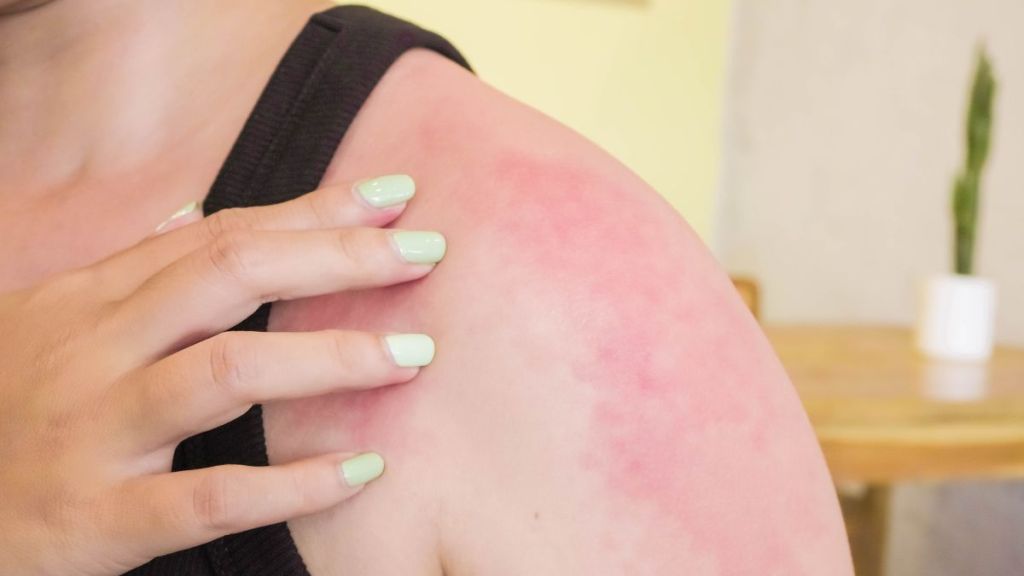
- Red, warm skin: Sunburn usually starts as pink or red skin that feels warm or hot to the touch. Color change may show up a few hours after sun exposure and can keep getting brighter for up to 24 hours.
- Pain or tenderness: The affected area often feels sore, especially when touched or when clothing rubs on it. Even light pressure from a towel or bed sheet can be uncomfortable.
- Swelling of the burned area: Mild swelling can appear around the reddened skin. This swelling reflects inflammation as the body reacts to UV damage.
- Itching, tightness, or dryness: As the burn settles, the skin can feel tight, dry, or itchy. Some people also report a prickly or burning sensation over the affected area.
- Blisters filled with clear fluid: More serious sunburns form blisters. These small or large bubbles mean deeper skin damage and raise the risk of infection if they break open.
- Headache, fatigue, or general discomfort: Systemic symptoms such as headache, tiredness, or feeling “off” may appear, especially after long days in the sun without enough fluids.
- Fever, chills, nausea, or dizziness in severe cases: Strong sunburn can lead to fever, chills, nausea, or light-headedness. These signs point to heat rash and heat illness signs that deserve prompt medical attention.
Not everyone will have every symptom, and darker skin tones may show less obvious redness while still being damaged. Any burn that leads to blisters, severe pain, or feeling sick should be taken seriously.
What Is Sunburn?
Sunburn is an acute inflammatory reaction of the skin caused by excessive ultraviolet (UV) radiation from the sun or artificial sources, such as tanning beds. At the cellular level, UV light damages DNA and triggers a repair response that manifests on the surface as redness, pain, and sometimes blisters.
As Dr. Josef Schenker explains, understanding sunburn as a radiation injury helps people grasp why even a single bad burn can have lasting effects. The skin “remembers” this damage through small changes in DNA, and repeated injury raises the chance of skin cancer over time.
- Cause: UVB rays are the main driver of visible burning, while UVA rays penetrate more deeply and add to long-term aging and cancer risk. Both can damage skin even on cloudy days.
- Timing: Redness usually appears within 3 to 5 hours, peaks around 24 hours, and then slowly fades as the skin repairs itself.
- Depth: Mild burns affect only the outer layer of skin, while more severe burns with blisters reach deeper layers and take longer to heal.
- Triggers: Risk rises with midday sun, high altitude, reflective surfaces like water or snow, certain medications that increase photosensitivity, and artificial UV devices.
Sunburn is preventable in most situations, which is why education around sunburn treatment and prevention, including same-day burn and wound care, plays such an important role in long-term skin health.
Can You Stop Sunburn After It Starts?
Sunburn cannot be “switched off” once UV damage has occurred, but fast action can limit discomfort and reduce some inflammation. The goal is to cool the skin, support healing, and watch for warning signs that the burn is more serious.
Cooling the skin quickly often helps:
- Move out of the sun right away: Getting into shade or indoors stops further UV exposure and prevents the burn from deepening.
- Use cool baths or compresses: Short, cool baths or showers, or clean, cool compresses relieve heat and pain. Dermatology guidance suggests frequent exposure to cool water, followed by gentle drying.
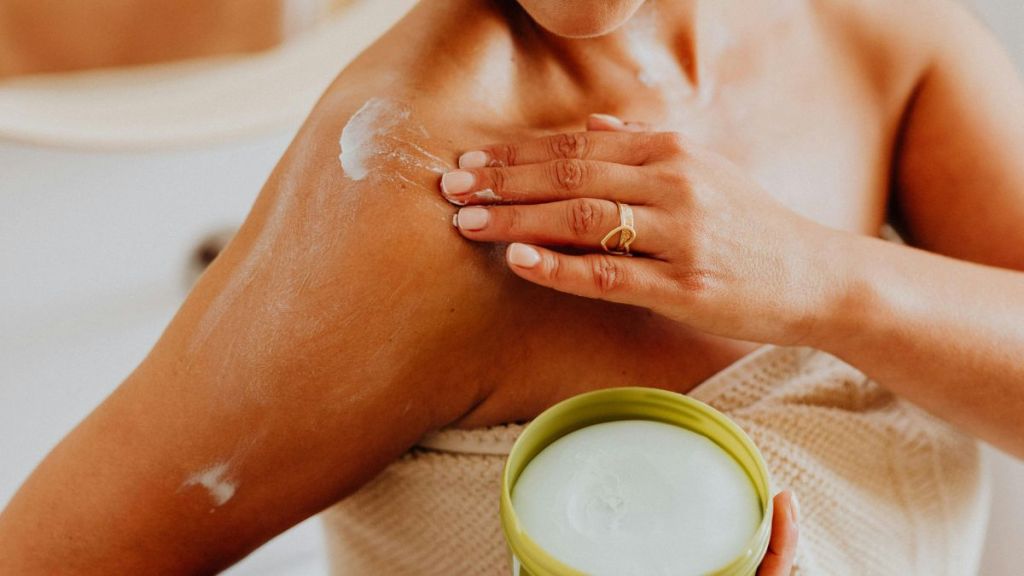
- Apply gentle moisturizers: Lotions with aloe vera or soy help soothe sunburned skin and reduce dryness. Applying them while the skin is still slightly damp locks in moisture.
Hydrating the body from within is also important. Drinking extra water replaces fluid lost through sweating, supports circulation to damaged skin, and lowers the risk of dehydration and heat illness. Medicines sometimes play a role:
- Over-the-counter pain relievers: Short-term use of ibuprofen, naproxen, or acetaminophen can ease pain and reduce inflammation for many people, if used as directed on the label and after checking for personal medical concerns.
- Topical hydrocortisone: Mild steroid creams may help with itching and swelling after the initial burn phase, but they should not be used on large open blisters or broken skin.
What you avoid also counts as part of sunburn treatment and prevention. Do not apply petroleum-heavy ointments or butter to fresh burns, and do not pop blisters. Both can trap heat or increase the risk of infection.
How Long Does Sunburn Last?
Healing time depends on how deep the burn goes, how much of the body is affected, and the person’s overall health. Josef Schenker, MD notes that pain may fade faster than the underlying injury, so skin can still be healing even when it feels better. Here is a simple guide to typical timelines:
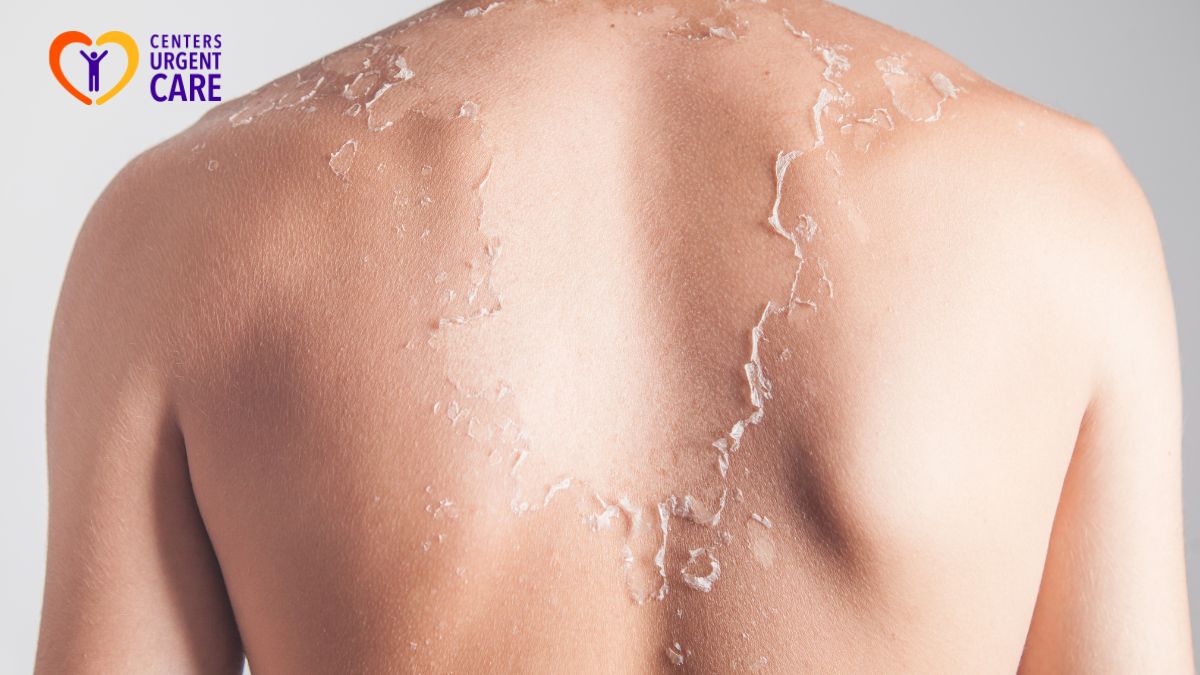
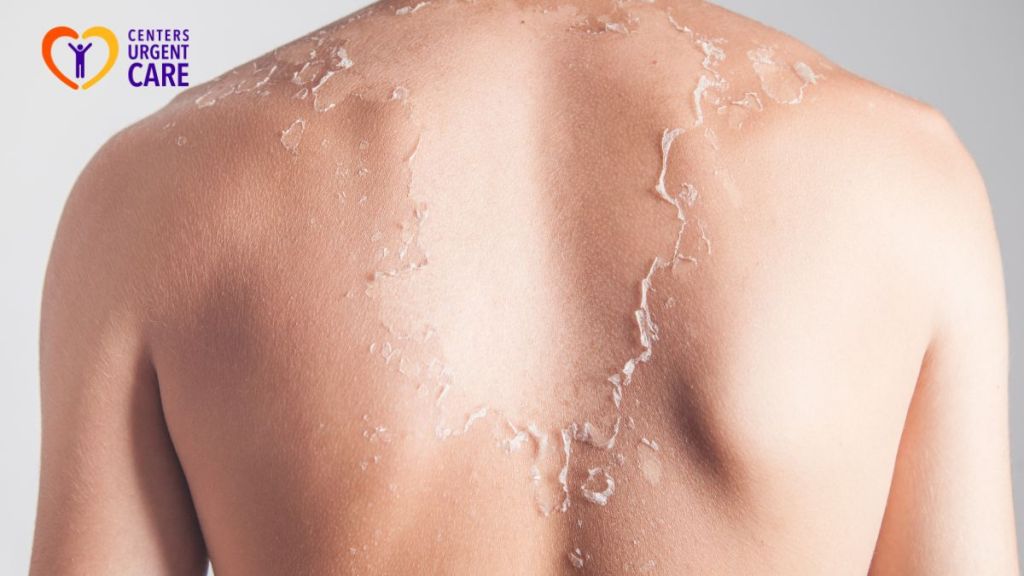
- Mild sunburn: Redness and mild soreness often improve within 3 to 5 days. Peeling can follow as the top layer of damaged cells sheds.
- Moderate sunburn: Red, swollen, and more painful areas can take about a week to heal. Peeling tends to be more noticeable, and the skin may feel itchy as it recovers.
- Severe sunburn with blisters: Deep burns may take up to 2 weeks or longer for the skin surface to close and tenderness to fade. Blisters and raw areas increase the risk of infection and often require medical review.
- Systemic symptoms or “sun poisoning”: When sunburn is accompanied by fever, chills, nausea, confusion, or signs of heat exhaustion and its warning signs, the problem extends beyond the skin and warrants urgent evaluation. Recovery from these episodes can take longer, especially in children, older adults, or people with other health conditions.
Even when the redness fades, the DNA damage from UV exposure remains. Each burn adds to the lifetime risk of skin cancer, so focusing on sunburn treatment and prevention now protects future health.
Josef Schenker, MD, Explains Sunburn Treatment and Prevention
Effective care starts with simple steps that support the body’s healing response. As Josef Schenker points out, the same choices that help with sunburn treatment at home also set the stage for better prevention next time. Here are approaches commonly used for sunburn treatment and prevention:
- Cool the skin gently: Short cool baths, showers, or compresses reduce heat and pain. Avoid ice or very cold water directly on the skin, which can cause further injury.
- Moisturize early and often: Fragrance-free moisturizers with aloe vera or soy help calm irritated skin and restore the barrier. Applying them while the skin is slightly damp improves absorption.
- Protect the burned area: Wear loose, soft clothing over the burn to reduce friction. Sunburned skin should be kept out of direct sunlight until it heals, as fresh exposure can worsen the burn.
- Use appropriate pain relief: Short courses of nonsteroidal anti-inflammatory drugs (NSAIDs) or acetaminophen can be part of how to treat sunburn pain, as long as existing health conditions and other medicines are considered.
- Leave blisters intact: Blisters act as natural bandages. They should not be popped or peeled. If a blister breaks on its own, a clean non-stick dressing helps protect the area.
- Hydrate and rest: Drinking plenty of water, avoiding alcohol, and resting in a cool environment help the body recover from both skin injury and heat stress.
- Plan ahead for next exposure: In clinic visits, you’ll often get encouraged to treat each burn as a signal to upgrade your routine, from sunscreen choice to clothing and shade habits. Small changes now reduce the chance of another painful episode.
Any burn that worsens after a few days, covers a large part of the body, or shows skin infections after sun exposure (such as spreading redness, pus, or worsening pain) should be evaluated by a medical professional.
How to Avoid Sunburn
Strong prevention habits are the core of sunburn prevention tips. Good routines protect the skin today and lower the chance of skin cancer in the future. Public health guidance consistently stresses three main tools: shade, clothing, and sunscreen. These steps show how to prevent sunburn in everyday life:
- Check the time of day: UV rays peak between about 10 a.m. and 4 p.m. Limiting time in direct sun during these hours, especially in summer, sharply lowers burn risk.
- Use clothing as a first shield: Long-sleeved shirts, long pants or skirts, and wide-brimmed hats give reliable coverage. Fabrics with a UPF (ultraviolet protection factor) rating provide extra defense.
- Choose the right sunscreen: Health agencies recommend broad-spectrum sunscreen with SPF 30 or higher for most adults. Sunscreen should be applied generously to all exposed skin 15–30 minutes before going outside and reapplied at least every 2 hours, or sooner after swimming or heavy sweating.
- Remember reflective surfaces: Water, sand, snow, and concrete can reflect UV rays and increase exposure. Extra care is needed at the beach, pool, lake, or ski slopes, where sun safety tips for summer and winter both apply.
- Protect the eyes and lips: UV-blocking sunglasses and lip balm with SPF help protect areas that often get overlooked.
- Avoid tanning beds and deliberate sunbathing: Studies link tanning bed use and repeated blistering sunburns to sharply higher melanoma risk, especially in younger people.
- Teach children sun habits early: Kids often spend long hours outdoors. Building routines such as hats at the playground and sunscreen before sports helps protect their skin long term.
Consistent prevention may feel repetitive at first, but over time, it becomes part of getting ready to go outside, similar to buckling a seatbelt.

What to Do if Someone Has Sunburn
Immediate steps focus on easing pain, protecting the skin barrier, and watching for red-flag symptoms. Josef Schenker emphasizes that even familiar problems like sunburn deserve careful attention when symptoms seem out of proportion to the amount of sun. Here are practical actions to take right away:
- Get out of the sun: Move indoors or into deep shade as soon as you notice burning or redness.
- Cool the skin: Use cool baths, showers, or compresses for 10–15 minutes at a time. Avoid harsh soap; gentle cleansers are best for washing the area.
- Apply soothing moisturizers: Use fragrance-free lotions with aloe vera or soy on intact skin. Reapply when the skin feels dry or tight.
- Protect blisters: Proper dressing for broken blisters means covering them with a clean, non-stick bandage. Do not pop them. Watch for increased redness, warmth, or pus, which can suggest infection.
- Encourage fluids and rest: Give plenty of water or oral rehydration drinks. Resting in a cool room lowers strain on the body and helps with recovery.
- Use pain relief carefully: Over-the-counter pain relievers can help many people, but doses should follow label instructions, and those with kidney, liver, or bleeding issues should talk with a clinician first.
Knowing when to seek medical care is part of understanding when to go to urgent care for a sunburn. You should seek urgent evaluation if the person has:
- Large blisters or burns over a large part of the body
- Severe pain that does not improve with basic care
- Fever, chills, confusion, or fainting
- Signs of dehydration, such as dry mouth, dark urine, or dizziness
You can visit an urgent care clinic whenever you are concerned about severe sunburn, especially for young children, older adults, or people with chronic health conditions. Centers Urgent Care offers convenient same-day visits where providers can assess burn depth, check for heat illness, start prescription treatments when needed, and give clear follow-up instructions.
Josef Schenker, MD, Answers Frequently Asked Questions:
Can sunburn increase my risk of skin cancer?
Yes, sunburn increases your risk of skin cancer because UV radiation damages DNA in skin cells. Five or more sunburns can double melanoma risk, and even one blistering sunburn in childhood raises lifetime risk. Repeated UV damage accumulates over time and increases the chance of melanoma and other skin cancers.
What is the best way to treat sunburn blisters?
The best way to treat sunburn blisters is to leave them intact and protect them with a clean, non-stick dressing. Intact blisters act as a natural barrier against infection. Do not pop or peel them, as this increases the risk of infection and delays healing.
Is it safe to use over-the-counter pain relievers for sunburn, and which ones?
Yes, it is safe to use over-the-counter pain relievers for sunburn when taken as directed. Ibuprofen or naproxen reduces pain and inflammation, while acetaminophen reduces pain only. People with kidney disease, stomach ulcers, bleeding disorders, or liver disease must use caution.
How can I protect children and babies from getting sunburned?
You can protect children and babies from getting sunburned by limiting direct sun exposure and using layered protection. Babies under 6 months should stay in shade and wear hats and lightweight long sleeves. Children over 6 months need broad-spectrum SPF 30 or higher sunscreen, reapplied every 2 hours and after swimming.
When should I go to urgent care for sunburn?
You should go to urgent care for sunburn when large blistered areas, severe pain, facial swelling, or signs of dehydration develop. Fever above 101°F (38.3°C), chills, nausea, confusion, or fainting require prompt evaluation. Infants, older adults, and people with chronic illnesses need early medical assessment for severe burns.
Protect Your Skin: Prioritize Sunburn Prevention
Skin health benefits from both smart habits and timely care. Sunburn treatment and prevention work together: early cooling and home care ease discomfort, while better sun routines, sunscreen use, and protective clothing reduce the chance of future burns and long-term damage.
You can visit our urgent care facility in New York for evaluation of concerning sunburns, heat-related symptoms, or questions about safer sun routines. Centers Urgent Care operates 12 locations across NYC, offering convenient walk-in visits for families seeking fast, practical care.
Our professional team, led by Dr. Josef Schenker, is ready to review your symptoms, suggest clear next steps, and support healthier days outdoors. Locate a Centers Urgent Care near you and keep your skin protected all year round.

About Josef Schenker, MD:
Dr. Josef Schenker, a board-certified expert in internal medicine and emergency medical services, brings extensive experience and compassion to his role as Medical Director and Partner at Centers Urgent Care. With leadership in SeniorCare Emergency Medical Services and as an Attending Physician at New York-Presbyterian Brooklyn Methodist Hospital, Dr. Schenker oversees critical care and treatment protocols across varied medical needs. His dedication extends to chairing NYC REMAC, ensuring adherence to state standards in emergency medical procedures. At Centers Urgent Care, Dr. Schenker's expertise ensures prompt, high-quality emergency care for patients of all ages, supported by state-of-the-art facilities including a dedicated pediatric suite.