



















In the United States alone, the CDC estimates that 1 in 5 people has an STD at any given time. Despite how common they are, many individuals miss early signs. Recognizing symptoms of common STDs early is essential—not just for your health, but for the health of your partner(s) and the broader community. That’s why regular testing for STDs plays a critical role in early detection and prevention.
What are the Symptoms of Common STDs?
Symptoms of common STDs vary, but many present as changes in the genital area, unusual discharge, or pain. These signs often overlap between infections and may be mistaken for other conditions like yeast infections or UTIs.
Why Early Detection Matters
Sexually transmitted diseases can lead to long-term health issues if left untreated. For example:
- Chlamydia and gonorrhea – may cause infertility in both men and women.
- Syphilis – can progress to damage the brain, heart, and other organs if untreated.
- HPV – can cause genital warts or lead to cervical cancer.
- HIV – when untreated, progresses to AIDS and severely compromises the immune system.
Identifying and treating these conditions early, you avoid complications, protect others, and get peace of mind.
7 Common STDs and Their Early Signs
Different infections have different onset symptoms. Below is a detailed breakdown of the symptoms of common STDs to help you recognize them early.
Chlamydia
Chlamydia is often called a “silent” infection because many don’t show signs. But when symptoms appear, they may include:
- Unusual genital discharge (white, yellow, or green)
- Burning sensation during urination
- Pain during sex
- Bleeding between periods (for women)
- Swelling or pain in testicles (for men)
The infection is caused by Chlamydia trachomatis and spreads through vaginal, anal, or oral sex.
Gonorrhea
This bacterial STD often comes with symptoms similar to chlamydia but can affect other body parts too, like the throat, rectum, and eyes.
- Thick, cloudy, or bloody discharge
- Painful urination
- Anal itching or discharge
- Spotting after sex or between periods
- Eye infection (if contact occurs)
If untreated, gonorrhea can spread to joints or the blood—a potentially life-threatening condition.
Syphilis
Syphilis has four stages—primary, secondary, latent, and tertiary—each with different symptoms.
- Painless sores (chancres) on genitals, anus, or mouth (primary stage)
- Skin rashes, especially on palms and soles (secondary)
- Fever, swollen lymph nodes, fatigue
- Neurological problems in advanced stages
Early detection is critical. Syphilis is highly contagious during the first two stages.

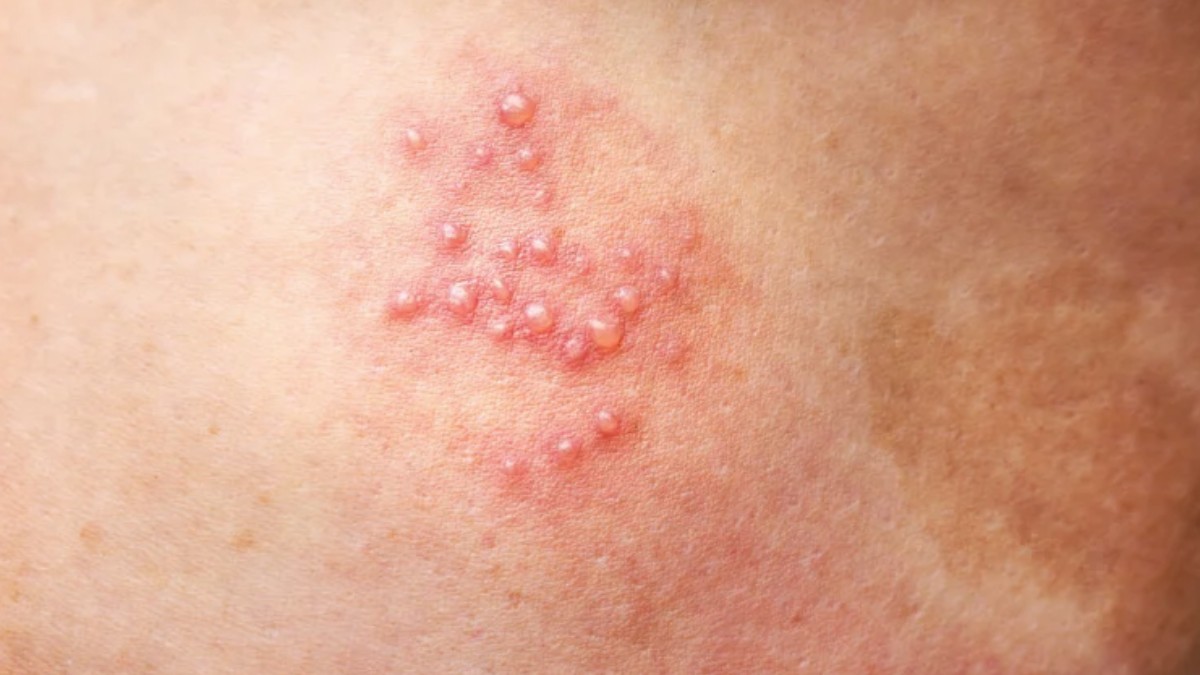
Herpes (HSV-1 and HSV-2)
Herpes can be oral (cold sores) or genital. It’s viral and often reoccurs in cycles.
- Tingling, itching, or burning before outbreak
- Painful blisters or open sores
- Flu-like symptoms during first outbreak
It’s important to note that herpes can be transmitted even when no symptoms are visible.
HPV (Human Papillomavirus)
HPV or Human Papillomavirus is extremely common. Some strains cause warts, others lead to cancers.
- Genital warts (small bumps or groups of bumps)
- No symptoms at all in many cases
- Abnormal Pap test results may be the only sign
While many strains clear on their own, high-risk types can cause cervical, penile, or throat cancer.
Trichomoniasis
Caused by a parasite, this STD is more common in women but also affects men.
- Frothy, yellow-green vaginal discharge
- Fishy odor
- Itching or irritation
- Burning after urination or ejaculation
Men often have no symptoms, but may experience urethral discharge or irritation.
HIV
HIV symptoms vary, especially in the early stages.
- Fever, night sweats, sore throat
- Swollen lymph nodes
- Mouth ulcers or skin rash
- Fatigue and weight loss over time
HIV is manageable with treatment, but early detection is key to preventing immune system damage.
Can You Have an STD Without Symptoms?
Yes. Many STDs, including chlamydia, gonorrhea, and HPV, can show no early symptoms. In fact, up to 70% of women and 50% of men with chlamydia report no symptoms at all. That’s why routine testing—even in the absence of symptoms—is crucial if you’re sexually active, especially with new or multiple partners.
When Should You Get Tested?
You should get tested if:
- You’ve had unprotected sex with a new partner.
- You or your partner have multiple sexual partners.
- You’re experiencing symptoms like discharge, itching, or pain.
- You’re entering a new relationship and want peace of mind.
- A partner tells you they tested positive for an STD.
Annual screening is recommended for all sexually active individuals under 25, and more often for those with higher risk factors.
How are STDs Diagnosed
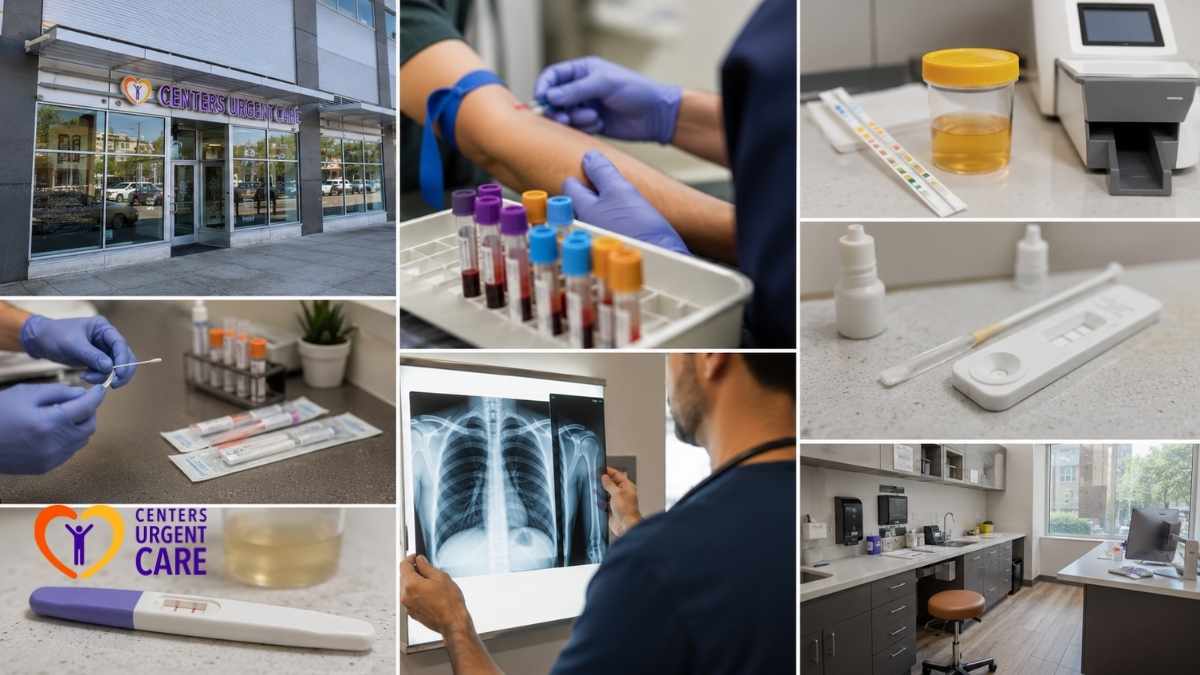
STDs, or sexually transmitted diseases, are typically diagnosed through a combination of physical exams, lab tests, and a review of symptoms and sexual history. Healthcare providers may perform blood tests, urine tests, swabs from the genitals, throat, or rectum, and visual inspections of sores or rashes, depending on the suspected infection. Testing varies depending on the infection:

Testing is quick, painless, and confidential. You don’t need to wait for visible symptoms to get checked.
What Happens If You Ignore STD Symptoms
Ignoring the early signs of STDs can result in:
- Chronic pain
- Pelvic inflammatory disease (PID)
- Infertility
- Cancer
- Organ damage
- Neurological complications
Additionally, untreated STDs increase the risk of transmitting HIV and other infections to partners.
Preventing STD Transmission
While no method is 100% foolproof (aside from abstinence), there are steps you can take:
- Use condoms consistently and correctly
- Limit sexual partners
- Regular testing
- Mutual monogamy with a tested partner
- Avoid sex when symptoms are present
- Get vaccinated (HPV and Hepatitis B)
Communication with partners and routine health checkups go a long way in maintaining sexual health—especially when it comes to understanding which STDs are lifelong. If you’re curious, check out our article, What STDs are Not Curable? Here’s What You Should Know, to learn more.
Your Health, Your Responsibility
If you’re experiencing symptoms of common STDs or just want to get tested for peace of mind, Centers Urgent Care offers fast, high-quality urgent care services for children and adults. Whether you need an evaluation, testing, or treatment, we ensure compassionate care and full confidentiality.
Conveniently located, Centers Urgent Care is available for urgent care in New York, providing expert medical attention without the long wait times of emergency rooms. Don’t wait for symptoms to worsen—contact us or walk in today. Your health matters.
I GOT RID OF HERPES WITHIN 6 DAYS
I’m a US resident who contracted genital herpes from my ex-boyfriend, who showed no symptoms. Living with the condition for four years significantly impacted my life until I found a cure. I want to raise awareness that herpes is more than just a minor skin irritation; it has long-term health effects. Unfortunately, the stigma surrounding this virus is perpetuated by misinformation. In reality, many people have herpes in some form, often unknowingly. Personally, I found relief through Dr. Oosa medicine. Inspired by a testimonial from an Irish woman who cured her herpes with his help, I contacted Dr. Oosa. He assured me of a cure and provided his herbal medicine via DHL. Following his instructions, I took the medicine twice daily for six days. After completing the treatment, I was herpes-free, confirmed by my doctor. If you’re struggling with herpes or similar conditions and seeking a cure, consider contacting Dr. Oosa for guidance. Kindly contact doctor oosa via email: doctoroosaherbalhome@gmail.com whatsapp +2349066208065
Hello friends, I want to express my deepest thanks to DR PETER for bringing back my husband who left me for almost 2 years. I felt like my life was over, but after finding many testimonials about DR PETER’s help online, I decided to give it a try. I contacted him, and he was very kind and supportive. He started a love spell, and within 48 hours, my husband called, apologized, and begged to come back. Now, we are happily married again. I am the happiest woman on earth thanks to DR PETER. You can contact him via email at drpeterspellcaster21@gmail com or on WhatsApp at +1 (646) 494-4360.