





















Table of Contents
ToggleWellness Tips from Josef Schenker, MD
Welcome to our Wellness Tips blog series, brought to you by Dr. Josef Schenker, the Medical Director at Centers Urgent Care. In this series, Dr. Schenker shares his extensive knowledge and experience in internal medicine and emergency medical services, including how to cure sciatica, to help you lead a healthier life.
Dr. Schenker will cover a range of crucial health topics, offering expert advice on how to avoid common ailments. With a focus on prevention and practical tips, each blog post is designed to empower you with the information you need to make informed decisions about your health and well-being.
How to Cure Sciatica and Ease Nerve Pain
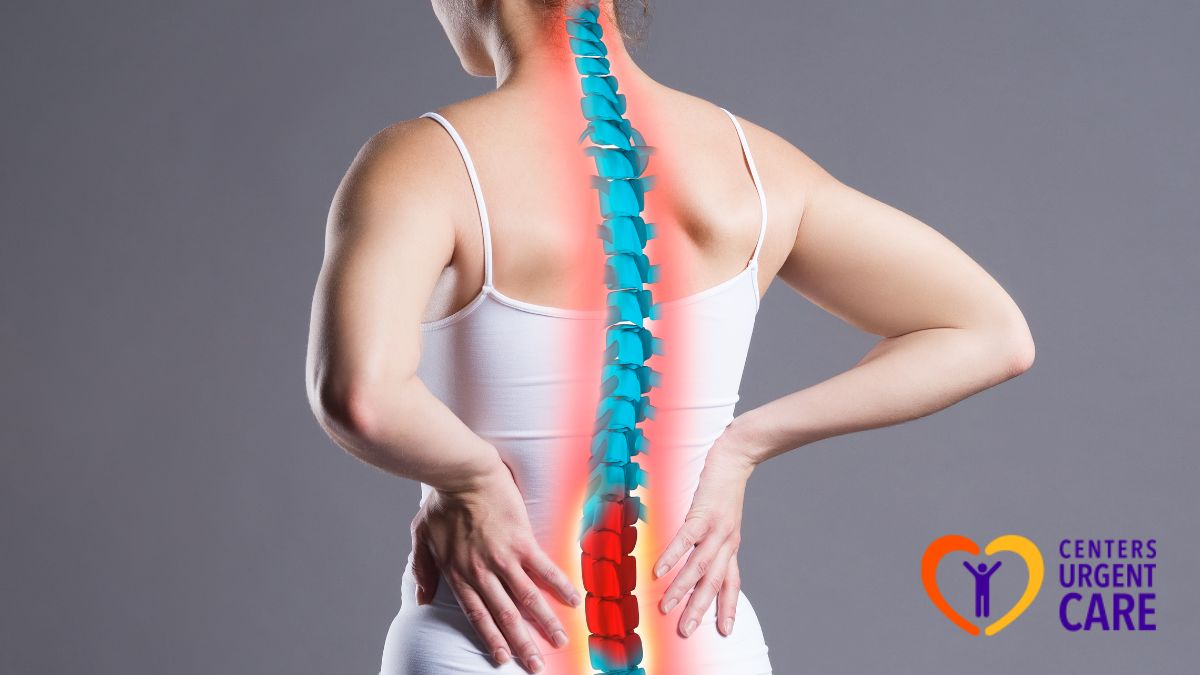
Searing back pain that shoots down one leg can make sitting, walking, and sleeping tough. Sciatica shows a lifetime incidence of 10–40% and annual incidence of 1–5% in adults. Many cases improve with time and targeted care. In pooled data, about 87% report improvement by 12 weeks of conservative management.
Dr. Josef Schenker explains how you can ease discomfort, recover safely, and spot warning signals early. Continue through the next sections to learn more.
Dr. Josef Schenker Explains the Symptoms of Sciatica
Sciatica describes nerve-root irritation in the lower spine that triggers leg symptoms. According to Dr. Josef Schenker, clear symptom patterns help tell sciatica apart from simple back strain. Knowing the warning signs also helps you decide when same-day care is needed.
- Radiating leg pain. Sciatica pain starts in the low back or buttock and travels down one leg, often below the knee into the calf or foot. Pain often feels sharp or burning and tends to exceed any back pain. Coughing, sneezing, or movement can worsen it because the irritated nerve root gets stressed.
- Numbness or tingling. Pins-and-needles, “electric” shocks, or patchy numbness can track the same path as the pain. These sensory changes reflect nerve involvement rather than muscle strain.
- Weakness. Noticeable leg weakness, such as foot drop or trouble rising on toes or heels, signals motor fiber involvement. Progressive or severe weakness needs prompt evaluation because ongoing nerve compression risks lasting deficits.
- Red-flag signs. New bladder or bowel dysfunction, saddle numbness, or rapidly worsening weakness suggests cauda equina syndrome and requires emergency care. Bilateral sciatica, severe unrelenting pain, fever, cancer history, or significant trauma also raise concern for serious causes.

What Is Sciatica?
Sciatica describes lumbar nerve-root irritation or compression that produces radicular pain down the leg. The pain follows a dermatomal route from the lower back or buttock into the calf or foot because the affected roots (most often L4–S1) form the sciatic nerve.
Clinicians use “sciatica” to label the symptom pattern rather than a single disease, which is why the actual cause must be identified during evaluation. Lifetime occurrence ranges from about 10% to 40%, with 1% to 5% affected each year.
A practical way to think about sciatica is “nerve-root trouble that sends pain down the leg.” Most cases trace back to a herniated lumbar disc that contacts or inflames a root.
Sciatica differs from simple low-back strain and from “sciatic-like” buttock pain without root involvement. True radicular pain often travels below the knee and may include numbness, tingling, or weakness in the same distribution.
Can You Stop Sciatica Pain?
Sciatica improves for many people with steady, evidence-based care. Dr. Josef Schenker frames the goal simply: reduce nerve irritation, restore movement, and reserve procedures for select cases.
- Evidence-based relief options. Keep moving as able and return to usual activity; supervised exercise helps, and manual therapy belongs only within a program that includes exercise. Cognitive-behavioral strategies can support recovery when fear of movement slows progress.
- First-line noninvasive care. Try heat, paced activity, and a structured exercise plan; consider group programs when available. If an NSAID is used, use the lowest effective dose for the shortest course and weigh GI, renal, and cardiac risks.
- When medicines or procedures enter the plan. If pain remains severe after a trial of noninvasive care or function is limited, specialists may discuss targeted options.
A clear plan starts simple and adjusts to symptoms and function. Most people do well without procedures; those who need more can review choices based on results, risks, and daily goals.
How Long Does Sciatica Last?
Sciatica follows clear timelines for most people. Acute cases often improve within weeks as swelling around the nerve settles and movement resumes. NICE defines “acute” as less than 3 months and “chronic” as 3 months or more, which helps set expectations from day one.
A practical benchmark is this: watch for steady gains in the first 4 to 6 weeks while you stay active and follow your plan. Recovery does not run in a straight line. About 20%–30% report persisting problems at 1–2 years, and back-related leg pain studies in primary care find just over half improved at 12 months. These numbers explain why reassessment makes sense if progress stalls.
Serious complications stay rare but require urgent action. New bladder or bowel dysfunction, saddle numbness, or rapidly worsening weakness suggests cauda equina syndrome; early decompression links to better outcomes. Seek emergency care if these appear.

Josef Schenker, MD, Explains How To Cure Sciatica
Sciatica care works best in steps. According to Josef Schenker, MD, start simple, build what helps, and reserve procedures for selected cases where function remains limited.
- Activity (keep moving). Gentle movement protects nerve glide and reduces stiffness. National guidance advises staying active and returning to usual tasks as able rather than bed rest.
- Physical therapy and exercise. A structured program beats passive care. Programs that pair exercise with education or pacing reduce fear of movement and support return to work.
- Targeted medicines. Short courses of NSAIDs can help some people; use the lowest effective dose and weigh GI, kidney, and heart risks.
- Escalation criteria (when to add procedures). If severe leg pain or disability persists after a trial of noninvasive care, discuss options. Epidural steroid injections can slightly reduce leg pain and disability over the short term, but effects fade.
- Referral points (when to consider surgery or specialty input). Refer urgently for red flags such as bladder or bowel changes, saddle numbness, or rapidly worsening weakness. For confirmed disc herniation with persistent, disabling leg pain, surgery can deliver faster relief than continued nonoperative care, while many still improve over time without it.
Care plans should adjust to your symptoms and daily goals. If you need a same-day evaluation or help coordinating next steps, Centers Urgent Care can assess sciatica, start first-line treatment, and direct timely referrals when needed.
How to Avoid Sciatica?
Sciatica risk drops when daily movement, work setup, and conditioning improve. According to Josef Schenker, MD, simple habits that keep the spine moving and the legs strong give the best protection over time.
Here are practical ways to reduce risk and prevent flares:
- Movement (make walking routine). Regular walking lowers recurrence of back-related leg pain. A randomized trial nearly doubled the median time to another episode with a progressive walking-plus-education plan (208 vs 112 days). Start with short, frequent walks and build up.
- Ergonomics (set up work smarter). Prolonged sitting, heavy lifting, and whole-body vibration raise sciatica risk, especially when combined with higher body weight. Adjust chair height, vary posture, use a footrest if needed, and take brief standing or walking breaks each hour.
- Conditioning (strength + flexibility). A weekly plan that mixes aerobic work and spine-supporting exercise helps.
- Lifestyle levers (weight + smoking). Smoking and obesity increase the odds of hospitalization for sciatica, while active commuting like walking or cycling to work shows a protective effect.
Workplace prevention basics. Combining worker input with technical fixes, like task rotation, lift aids, and workstation tweaks, reduces low-back strain. Evidence favors participatory ergonomics and education over one-off equipment changes.

What to Do if Someone Has Sciatica
Sciatica needs a simple plan: check for red flags, start self-care, and decide if same-day care is needed. According to Josef Schenker, leg-dominant pain guides the first steps while you watch for neurologic changes that need urgent action.
- Self-care you can start now. Keep moving with short, frequent walks and light tasks; bed rest slows recovery. Use heat for comfort and consider a short NSAID trial if it is safe for you.
- When same-day evaluation helps. Seek care today if pain sharply limits walking or sleep, if tingling spreads, or if new weakness appears.
- Red-flag symptoms that need emergency care. Go to the ER for new trouble peeing or holding urine, loss of bowel control, numbness in the saddle area, severe or rapidly worsening leg weakness, or sciatica in both legs.
- Imaging and procedures placed correctly. Routine imaging is not needed at the start and is delayed unless red flags are present or symptoms persist despite care.
Josef Schenker, MD, Answers Frequently Asked Questions:
Sciatica often goes away on its own. Most cases from a slipped disc or nerve irritation improve within weeks to a few months with movement, pain relief, and exercises. Sciatica that persists, worsens, or comes with red flags like bowel or bladder changes, saddle numbness, or severe weakness requires urgent medical care.
Stretch the sciatic nerve with gentle exercises that promote mobility. Common moves include knee-to-chest stretches, back extensions, and controlled lumbar rotations, done without forcing pain. Avoid deep forward bends early on. Stop if sharp pain, new numbness, or weakness occurs. Combine stretching with walking and a gradual return to activity.
No vitamin deficiency directly causes sciatica. Sciatica usually comes from nerve compression. Vitamin B12 deficiency can cause neuropathy that mimics sciatica with numbness or tingling, but correcting B12 does not fix compression. Clinicians test B12 if diet or symptoms suggest deficiency, while sciatica care focuses on exam and movement.
The best sleeping position for sciatica maintains spinal alignment. Back sleeping with a small pillow under the knees reduces lumbar strain, while side sleeping on the non-painful side with a pillow between the knees eases hip and pelvic pressure. Elevating the trunk helps if stenosis drives symptoms.
Yes, you can go to urgent care for sciatica. Urgent care offers exam, pain relief, exercise advice, and safety checks. Emergency care is needed if red flags appear, such as bowel or bladder changes, saddle numbness, or sudden leg weakness. Without red flags, follow guideline-based care and physiotherapy.

Support Your Recovery from Sciatica
Sciatica care involves steady steps to ease nerve irritation, restore function, and watch for warning signs. As discussed, most people improve with movement, structured exercise, and timely evaluation. Recovery timelines vary, but with the right plan, many regain comfort and mobility within weeks. Persistent or worsening pain, especially with red-flag symptoms, calls for same-day evaluation to protect long-term health.
At our urgent care facility in New York, you can count on expert support tailored to your needs. Dr. Josef Schenker and the experienced team at Centers Urgent Care are committed to guiding you through safe, effective options for pain relief and recovery.
From first evaluations to coordinated referrals, we focus on keeping your care clear, accessible, and compassionate. Locate a Centers Urgent Care near you and take the next step toward sciatica relief today.

About Josef Schenker, MD:
Dr. Josef Schenker, a board-certified expert in internal medicine and emergency medical services, brings extensive experience and compassion to his role as Medical Director and Partner at Centers Urgent Care. With leadership in SeniorCare Emergency Medical Services and as an Attending Physician at New York-Presbyterian Brooklyn Methodist Hospital, Dr. Schenker oversees critical care and treatment protocols across varied medical needs. His dedication extends to chairing NYC REMAC, ensuring adherence to state standards in emergency medical procedures. At Centers Urgent Care, Dr. Schenker's expertise ensures prompt, high-quality emergency care for patients of all ages, supported by state-of-the-art facilities including a dedicated pediatric suite.