























Sexually transmitted diseases (STDs) remain a significant public health issue. Despite this high number, misinformation about STDs is widespread, leading to harmful consequences. That’s why STD testing plays a crucial role in early detection and prevention. Let’s break down the myths and facts about sexually transmitted diseases so you can protect yourself and others.
What are Common Myths And Facts About Sexually Transmitted Diseases?
There are many myths about STDs, and they can affect how people approach their sexual health. Let’s clear up these misconceptions and focus on the facts:
Myth: You Can Tell If Someone Has An STD By Looking At Them
Some believe they can spot an infected person based on appearance. This is false. Most STDs don’t cause visible symptoms right away—or at all. For example, chlamydia is called a “silent” infection because most people show no signs.
Myth: STDs Only Affect People With Multiple Partners
It’s true that having more partners increases risk, but any sexually active person can get an STD, even in a long-term relationship. The key is mutual testing and open communication.
Myth: Condoms Prevent All STDs 100%
Condoms significantly reduce the risk of many STDs. But they don’t provide full protection against infections spread through skin-to-skin contact, like herpes or HPV. Using condoms correctly every time helps, but isn’t foolproof.
Myth: Oral Sex Is Risk-free
STDs can spread through oral sex. Gonorrhea, syphilis, herpes, and HPV are examples of infections that can pass this way. Dental dams and condoms lower the risk but don’t eliminate it entirely.
Myth: You’d Know If You Had an STD
Many STDs don’t cause immediate or obvious symptoms. For example:
- Chlamydia: Up to 70% of women and 50% of men have no symptoms.
- HPV: Often silent but can lead to cancer later.
- HIV: Can go unnoticed for years without testing.
How are STDs Really Transmitted?
Some myths about STD transmission make people feel wrongly “safe” or unnecessarily anxious. Here’s what’s true:
STDs spread primarily through sexual contact: vaginal, anal, and oral. They can also transmit via blood (e.g., HIV, syphilis), and from mother to baby during childbirth. They don’t spread through casual contact like hugging, using the same toilet, or sharing utensils.

Can You Get STDs From Public Restrooms Or Swimming Pools?
No, STDs do not spread through toilet seats, swimming pools, or hot tubs. The viruses and bacteria that cause STDs can’t survive long on surfaces. Risk comes from direct person-to-person contact during sexual activity.
Do STDs Go Away On Their Own?
This is a harmful myth. STDs don’t just go away without treatment. Bacterial infections like chlamydia and gonorrhea require antibiotics. Untreated, they can cause infertility, chronic pain, and other serious issues. Viral infections like herpes and HIV need medical management to reduce health impacts and transmission.
The Importance of Testing and Early Treatment
Believing myths about sexually transmitted diseases can delay testing and treatment, increasing complications. Here’s what you need to know:
- Regular STD screenings are essential if you’re sexually active, especially with new or multiple partners.
- Early treatment helps prevent long-term damage, including infertility and certain cancers.
- Many STDs are easy to diagnose and treat when caught early.
What Should You Do If You Think You Have An STD?
If you suspect exposure, or if you simply want peace of mind, seek medical care promptly. Here’s why:
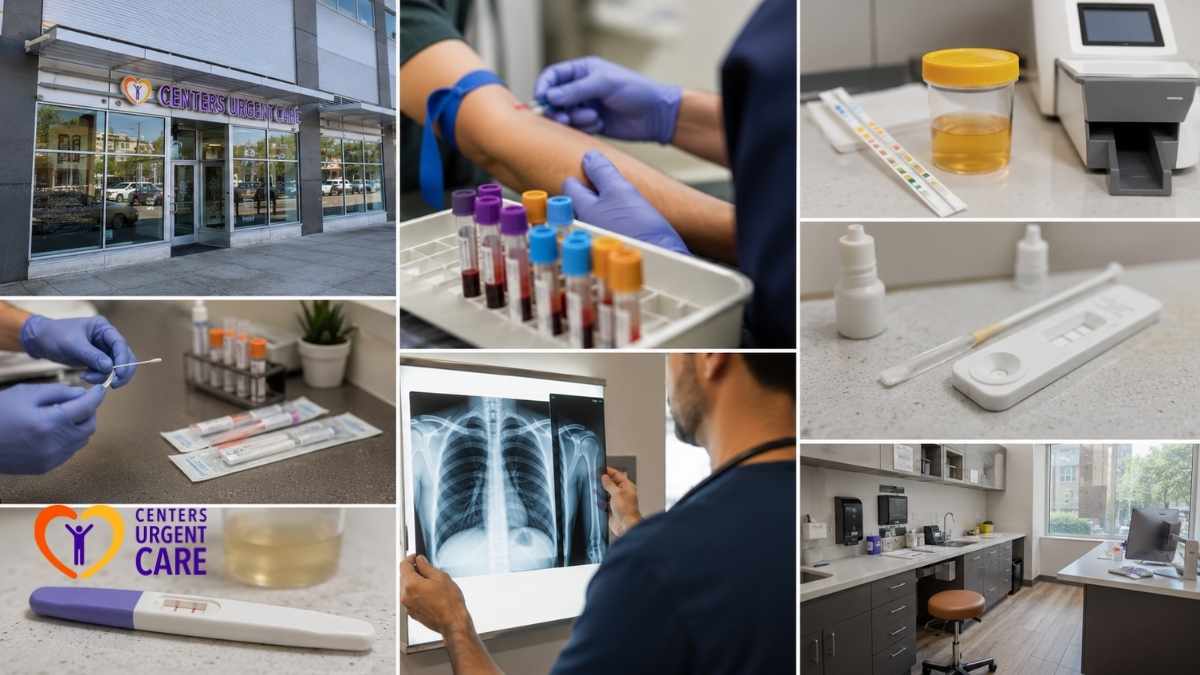
- Testing is quick and discreet at urgent care centers.
- You can receive treatment immediately for many infections.
- Partner notification and treatment help stop the spread.
Key Facts About Preventing STDs
Good prevention strategies go beyond just condoms. Keep these points in mind:
- Communicate openly with partners about sexual health and testing.
- Limit number of sexual partners or maintain a mutually monogamous relationship with someone who’s tested.
- Stay up to date on vaccinations (e.g., HPV and hepatitis B).
- Use condoms or dental dams consistently and correctly.
Can Untreated STDs Cause Long-term Damage?
Yes, untreated STDs can cause serious, lasting harm. Examples include:
- Infertility due to untreated chlamydia or gonorrhea
- Pelvic inflammatory disease in women
- Chronic pelvic pain
- Increased risk of HIV infection
- Cancer linked to HPV infection
Need Fast STD Testing Or Treatment?
If you’re concerned about your sexual health, you can count on Centers Urgent Care for fast, confidential STD testing and treatment. We provide high-quality urgent care in New York for both children and adults. Our medical team is ready to help you take control of your health in a supportive, judgment-free environment.
Contact us today or walk in for prompt care. Your health and peace of mind matter.